


Celestone Soluspan Injection (Betamethasone)

Author , posted on July 6, 2017

Category:


Celestone Soluspan Injection

Betamethasone (Betamethasone Disodium Phosphate)

Select Quantity:

Celestone Soluspan Injection (Betamethasone) Medication Information

Uses

The intramuscular use of Celestone Soluspan Injectable Suspension is indicated as follows:

  • Allergic states
  • Dermatologic diseases
  • Endocrine disorders
  • Gastrointestinal diseases
  • Hematologic disorders
  • Neoplastic disease
  • Ophthalmic disease
  • Renal disease
  • Respiratory diseases
  • Rheumatic disorder

Dosage

The multidose vial contains 5 mL of injectable suspension with a strength of 6 mg per mL.

Side Effects

The most common side effects of Celestone include:

  • Bradycardia
  • Cardiac arrest
  • Acne
  • Rash
  • Cushingoid state
  • Hirsutism
  • CHF
  • Fluid retention
  • Nausea
  • Depression
  • Emotional instability
  • Insomnia 

Speak with your doctor or pharmacist for a full list of side effects that applies to you.

Precautions

The lowest possible dose of corticosteroid should be used to control the condition under treatment. When reduction in dosage is possible, the reduction should be gradual. 

Since complications of treatment with glucocorticoids are dependent on the size of the dose and the duration of treatment, a risk/benefit decision must be made in each individual case as to dose and duration of treatment and as to whether daily or intermittent therapy should be used.

Kaposi’s sarcoma has been reported to occur in patients receiving corticosteroid therapy, most often for chronic conditions. Discontinuation of corticosteroids may result in clinical improvement.

Interactions

Some of the common drug interactions with Celestone:

  • Amphotericin
  • Antibiotics
  • Cyclosporine
  • Digoxin
  • Estrogen
  • Ketoconazole
  • NSAIDs
  • Vaccines

Speak with your doctor or pharmacist for more information. 

Storage

Store at controlled room temperature (77ºF). 

Pharmacist Tips

  • Avoid exposure to chickenpox or measles. If you are exposed, medical advice should be sought without delay
  • Do not to discontinue the use of corticosteroids abruptly or without medical supervision.
  • Celestone Injectable Suspension is contraindicated in patients who are hypersensitive to any components of this product.

Celestone FAQs

What is the initial dosage?

The initial dosage of parenterally administered Celestone Injectable Suspension may vary from 0.25 to 9.0 mg per day depending on the specific disease entity being treated.


Can I take this if I am pregnant?

Corticosteroids should be used during pregnancy only if the potential benefit justifies the potential risk to the fetus. Infants born to mothers who have received corticosteroids during pregnancy should be carefully observed for signs of hypoadrenalism.


Can I take this while breastfeeding?

Systemically administered corticosteroids appear in human milk and could suppress growth, interfere with endogenous corticosteroid production, or cause other untoward effects. Caution should be exercised when corticosteroids are administered to a nursing woman.


Can I receive live vaccines with Celestone?

Vaccination Administration of live or live, attenuated vaccines is contraindicated in patients receiving immunosuppressive doses of corticosteroids.


Can I stop taking steroids without a taper?

Do not discontinue the use of corticosteroids abruptly or without medical supervision.


Can the dosage be increased?

Situations which may make dosage adjustments necessary are changes in clinical status secondary to remissions or exacerbations in the disease process, the patient’s individual drug responsiveness, and the effect of patient exposure to stressful situations not directly related to the disease entity under treatment. In this latter situation it may be necessary to increase the dosage of the corticosteroid for a period of time consistent with the patient’s condition.


Related Drugs

Reference:

Celestone Soluspan {package insert}. Kenilworth, NJ: Schering Corporation; 2007.

https://www.accessdata.fda.gov/drugsatfda_docs/label/2008/014602s047lbl.pdf

PharmD Medical Writer

Author: Dr. Larisa Roybal, PharmD

Dr. Roybal is a board-certified pharmacotherapy specialist who has practiced in both ambulatory and acute care settings. Her pharmacy interests include oncology and general inpatient pharmacy.

Capex Shampoo (Fluocinolone Acetonide)

Author , posted on July 6, 2017

Category:


PRODUCT CURRENTLY NOT AVAILABLE

Capex Shampoo (Fluocininide Acetonide) Dosage and Side Effects

CAPEX is used to treat seborrheic dermatitis (severe dandruff) of the scalp. It works by reducing swelling, itching, flaking, and redness caused by dandruff.

Proper Use of this medication

CAPEX is typically used for five minutes once a day. When you become symptom-free, the product can be used once a week to prevent itchiness and flakiness from returning.

Follow the instructions on the product label carefully when using this medicine. Don't use more or less CAPEX than is recommended.

The following are the medicine's directions for use:

Shake the product well before use.

Wet your hair and scalp thoroughly and apply an adequate amount of CAPEX. Apply no more than 1 ounce of CAPEX to the scalp area daily unless your doctor tells you otherwise.

Allow the product to remain on your scalp for five minutes.

Rinse thoroughly with water.

CAPEX isn't designed to suds or lather. You won't need a separate conditioner when using this product.

Don't bandage or wrap the affected area.

CAPEX Overdose

Symptoms of a CAPEX overdose may include:

•Increased thirst or urination

•Unusual weight gain (especially in the face)

•Weakness

If you suspect an overdose, contact a poison control center or emergency room immediately.

Missed Dose of CAPEX

If you miss a dose of CAPEX shampoo, use it as soon as you remember.

But skip the missed dose if it's almost time for your next treatment.

Don't apply extra CAPEX or use it more often to make up for a missed dose.

Side Effects

Common Side Effects of CAPEX

Tell your doctor if any of the following side effects become severe or don't go away:

•Dryness

•Itching

•Irritation

Serious Side Effects of CAPEX

Call your doctor immediately if you experience any of the following serious side effects:

•An acne-like rash

•Excessive hair growth or inflamed hair follicles

•Inflammation around the mouth

•Severe irritation, redness, burning, or swelling that wasn't present before using CAPEX

•Thinning, softening, or discoloration of the skin

•Signs of anaphylaxis, a severe allergic reaction (may include hives, rash, itching, chest tightness, or swelling of the face, lips, tongue, or throat)

Warnings and Precautions

Before using CAPEX shampoo, tell your doctor if you have, or have had:

•Measles, chickenpox, or tuberculosis (TB)

•A positive tuberculin skin test

•A recent vaccination

•Hardening or thinning of the skin

•A skin infection

•Other skin or scalp conditions

•Allergies to medicines

Avoid getting CAPEX in your eyes. If this happens, rinse them thoroughly with water.

Don't use CAPEX if you have an infection or sore in the area to be treated.

Talk with your doctor before receiving any vaccinations while using this product.

Tell your doctor you use CAPEX before having any type of surgery, including a dental procedure.

Corticosteroids may affect growth in kids and teens. Talk to your doctor if this is a concern.

This product shouldn't be used by anyone under age 12 without first talking with a doctor.

Tell your healthcare provider if your condition doesn't improve or worsens while using CAPEX.

Pregnancy and CAPEX

It's not known whether CAPEX may harm an unborn baby.

Talk to your doctor if you're pregnant or might become pregnant while using this medicine. You'll need to discuss the benefits and risks of using CAPEX during pregnancy.

It's also not known if this drug passes into breast milk. Talk to your doctor before taking CAPEX if you're breastfeeding.

Interactions with this medication

Before using CAPEX, tell your doctor about all prescription, non-prescription, illegal, recreational, herbal, nutritional, or dietary drugs you're taking — especially other medicines that contain corticosteroids.

Other related products

Questran Light (Cholestyramine)

Author , posted on July 6, 2017

Category:


Questran Light

Cholestyramine

Select Quantity:

Questran Light

Cholestyramine

Select Quantity:

Questran Light

Cholestyramine

Select Quantity:

Cholestyramine Light (Generic)

Cholestyramine

Select Quantity:

Questran Light (cholestyramine) Medication Information

Uses

Questran is a bile acid binding resin and it is used to lower cholesterol.

Dosage

Questran is available has a 4 g sachet. 

Side Effects

The most common side effects of Questran include:

  • Bloating
  • Flatulence
  • Diarrhea
  • Heartburn
  • Indigestion 
  • Nausea
  • Vomiting 

Speak with your doctor for a full list of side effects that apply to you if you are taking Questran.

Precautions

Using Questran for a long time can reduce the body’s ability to absorb some vitamins from diet, in some cases supplements may be necessary.

If Questran is being given to a child it might be beneficial to give a supplement of folic acid with it. 

Interactions

The most common drug interactions with Questran include:

  • Amiodarone
  • Corticosteroids 
  • Estrogen
  • Fluvastatin
  • Loop diuretic
  • Methotrexate 
  • Niacin
  • Propranolol 

Speak with your doctor for more information and before starting a new medication with Questran. 

Storage

Store at room temperature (68-77ºF). 

Pharmacist Tips

  • Do not take Questran in its dry form, as it can cause you to choke
  • Questran can be mixed with water, juice, milk, and other liquids or sauces. 
  • Once Questran is mixed with the liquid or sauce allow it to sit for 1-2 minutes, and then stir or shake to combine.

Cholestyramine FAQs

Should Questran be taken with food?

Questran has been found to work best when taken with food. 


What is the best time of day to take Questran?

It is best to take Questran before meals or at bedtime. 


How long should you take Questran?

As long as you do not have unwanted side effects you can take Questran indefinitely. 


Is there an alternative to Questran?

There is another bile acid sequestrant called Colestid that is available. 


How quickly does Questran work?

It can take several weeks to see the full effect of Questran. 


Related Drugs

Reference:

Questran Light {package insert}. Angers, France: Farmea; 2020.

https://www.medicines.org.uk/emc/files/pil.10588.pdf

PharmD Medical Writer

Author: Dr. Larisa Roybal, PharmD

Dr. Roybal is a board-certified pharmacotherapy specialist who has practiced in both ambulatory and acute care settings. Her pharmacy interests include oncology and general inpatient pharmacy.

Beyaz (Drospirenone/Ethinyl Estradiol/Levomefolate Calcium)

Author , posted on July 6, 2017

Category:


Beyaz

Drospirenone, Ethinyl Estradiol, Levomefolate Calcium

Select Quantity:

Beyaz

BEYAZ contains a combination of drospirenone, ethinyl estradiol, and levomefolate.  BEYAZ is used as contraception to prevent pregnancy. It is also used to treat moderate acne in women who are at least 14 years old and have started having menstrual periods, and who wish to use birth control pills. BEYAZ is also used to treat the symptoms of premenstrual dysphoric disorder (PMDD), such as anxiety, depression, irritability, trouble concentrating, lack of energy, sleep or appetite changes, breast tenderness, joint or muscle pain, headache, and weight gain.

Warnings and Precautions

Do not use Beyaz if you are pregnant or if you recently had a baby.

You should not take Beyaz if you have any of the following conditions: kidney disease, uncontrolled high blood pressure, heart disease, a blood-clotting disorder, circulation problems, diabetic problems with your eyes, an adrenal gland disorder, unusual vaginal bleeding, liver disease or liver cancer, severe migraine headaches, a history of breast or uterine cancer, or if you ever had a heart attack, stroke, or blood clot.

You should not take Beyaz if you smoke and are older than 35 years of age. Smoking can increase your risk of blood clot, stroke, or heart attack while taking Beyaz.

You may need to use back-up birth control, such as condoms or a spermicide, when you first start using Beyaz or if you miss a dose. Follow your doctor's instructions.

Missing a pill increases your risk of becoming pregnant. Carefully follow the "missed dose" instructions if you forget to take your Beyaz.

Before taking this medicine

Smoking can increase your risk of blood clots, stroke, or heart attack while taking Beyaz, especially if you are older than 35 years of age. Your risk increases the more you smoke. You should not take birth control pills if you smoke and are older than 35 years of age.

Do not use birth control pills if you are pregnant. Tell your doctor right away if you become pregnant, or if you miss two menstrual periods in a row. If you recently had a baby, wait at least 4 weeks before taking this medicine.

You should not take Beyaz if you have:

  • heart disease (coronary artery disease, uncontrolled heart valve disorder, history of heart attack or stroke);
  • a history of blood clots;
  • untreated or uncontrolled high blood pressure;
  • a blood-clotting disorder or circulation problems;
  • kidney disease;
  • an adrenal gland disorder;
  • problems with your eyes, kidneys, or circulation caused by diabetes;
  • liver disease or liver cancer;
  • severe migraine headaches (with aura, numbness, weakness, or vision changes);
  • abnormal vaginal bleeding that has not been checked by a doctor; or
  • a history of hormone-related cancer such as breast or uterine cancer.

To make sure Beyaz is safe for you, tell your doctor if you have:

  • high levels of potassium in your blood;
  • high cholesterol or triglycerides, or if you are overweight;
  • underactive thyroid, diabetes, gallbladder disease; or
  • a history of jaundice caused by pregnancy or birth control pills.

The hormones in Beyaz can pass into breast milk and may harm a nursing baby. This medicine may also slow breast milk production. Do not use Beyaz if you are breast feeding.

Side Effects

Get emergency medical help if you have signs of an allergic reaction to BEYAZ: hives; difficult breathing; swelling of your face, lips, tongue, or throat.

Stop using BEYAZ and call your doctor at once if you have:

  • a change in the pattern or severity of migraine headaches;
  • swelling in your hands, ankles, or feet;
  • symptoms of depression - sleep problems, weakness, tired feeling, mood changes;
  • signs of a stroke - sudden numbness or weakness (especially on one side of the body), sudden severe headache, slurred speech, problems with vision or balance;
  • signs of a blood clot in the lung - chest pain, sudden cough, wheezing, rapid breathing, coughing up blood;
  • signs of a blood clot in your leg - pain, swelling, warmth, or redness in one or both legs;
  • heart attack symptoms - chest pain or pressure, pain spreading to your jaw or shoulder, nausea, sweating; or
  • liver problems - nausea, upper stomach pain, itching, tiredness, loss of appetite, dark urine, clay-colored stools, jaundice (yellowing of the skin or eyes).

Common BEYAZ side effects may include:

  • light vaginal bleeding or spotting;
  • breast pain or tenderness;
  • nausea;

This is not a complete list of side effects and others may occur. Call your doctor for medical advice about side effects. You may report side effects to FDA at 1-800-FDA-1088.

What other drugs will affect BEYAZ?

Some drugs can make birth control pills less effective, which may result in pregnancy. Other drugs may interact with this medicine, including prescription and over-the-counter medicines, vitamins, and herbal products. Tell each of your health care providers about all medicines you use now and any medicine you start or stop using.

Interactions with this medication

Do not smoke while taking BEYAZ, especially if you are older than 35 years of age.

BEYAZ will not protect you from sexually transmitted diseases, including HIV and AIDS. Using a condom is the only way to protect yourself from these diseases.

Proper Use of this medication

Take BEYAZ exactly as prescribed by your doctor. Follow all directions on your prescription label. Do not take this medicine in larger or smaller amounts or for longer than recommended. You will take your first pill on the first day of your period or on the first Sunday after your period begins. You may need to use back-up birth control (such as condoms and spermicides) when you first start using this medicine. Follow your doctor's instructions.

Take one BEYAZ tablet every day, no more than 24 hours apart. When the pills run out, start a new pack the following day. You could get pregnant if you do not take one pill daily. Get your prescription refilled before you run out of pills completely.

You must take the BEYAZ pills in the right order for this medicine to be effective in preventing pregnancy. Follow the arrows shown on each row of pills in your blister pack. The last few pills you will take contain only levomefolate and not the contraceptive (birth control) medicines.

You may have breakthrough bleeding, especially during the first 3 months. Tell your doctor if this bleeding continues or is very heavy.

Use back-up birth control if you are sick with severe vomiting or diarrhea.

If you need surgery or medical tests or if you will be on bed rest, you may need to stop using this medicine for a short time. Any doctor or surgeon who treats you should know that you take BEYAZ.

Store BEYAZ at room temperature away from moisture and heat.

Other related products

Other products

Questran (Cholestyramine)

Author , posted on July 6, 2017

Category:


Questran

Cholestyramine

Select Quantity:

Questran

Cholestyramine

Select Quantity:

Cholestyramine (Generic)

Cholestyramine

Select Quantity:

Questran (Cholestyramine) Dosage and Side Effects

QUESTRAN is used along with dietary changes to lower cholesterol levels.

Proper Use of this medication

QUESTRAN POWDER comes as a powder or a chewable bar.

The medicine is typically taken two to four times a day, before a meal or at bedtime.

Drink plenty of fluids while taking QUESTRAN POWDER.

Follow your doctor's instructions carefully when taking QUESTRAN POWDER. Don't take more or less of the medicine than is recommended.

Powder

Stir the powder into a glass of water, milk, or other beverage. Drink the mixture slowly.

Rinse the glass you use with more of the beverage to be sure you consume all the powder.

If you're using a carbonated beverage, mix the powder slowly, so excessive foaming doesn't occur.

You can also mix the powder with applesauce, crushed pineapple, soup, or pureed fruit.

The powder can be mixed with hot foods, but don't heat the powder.

The color of the powder might vary from batch to batch. This doesn't change the effectiveness of the medicine.

QUESTRAN POWDER Overdose

If you suspect an overdose, contact a poison control center or emergency room immediately.

Missed Dose of QUESTRAN POWDER

If you miss a dose of QUESTRAN POWDER, take it as soon as you remember.

However, if it's almost time for your next dose, skip the missed dose and continue on your regular dosing schedule.

Don't double up on doses to make up for a missed one.

Side Effects

Common Side Effects of QUESTRAN POWDER

Tell your doctor if any of the following side effects are severe or don't go away:

  • Constipation
  • Gas or bloating
  • Stomach pain
  • Upset stomach
  • Dizziness
  • Vomiting or diarrhea
  • Loss of appetite
  • Heartburn or indigestion

Serious Side Effects of QUESTRAN POWDER

Call your doctor immediately if you experience any of the following serious side effects:

  • Unusual bleeding (including gum bleeding or bleeding from the rectum)
  • Signs of an allergic reaction, which may include rash; hives; difficulty breathing; chest tightness; or swelling of the mouth, face, lips, or tongue
  • Black or bloody stools
  • Severe nausea
  • Shortness of breath
  • Unusual bruising

Warnings and Precautions

Before taking QUESTRAN POWDER, tell your doctor if you have or have ever had:

  • Heart disease
  • Chest pain
  • Stomach, intestinal, or gallbladder disease
  • Phenylketonuria (PKU)
  • Bleeding or clotting problems
  • A complete blockage of your biliary tract
  • A stomach or bowel blockage
  • Severe constipation
  • Hemorrhoids
  • High blood chloride levels
  • Kidney problems
  • Diabetes
  • Underactive thyroid (hypothyroidism)
  • Liver problems
  • Low blood volume
  • Problems with staying hydrated
  • An addiction to alcohol
  • Allergies to medicines, foods, or other substances

Continue to take QUESTRAN POWDER even if you feel well. Don't stop taking this medicine without first talking to your physician.

Don't sip the QUESTRAN POWDER powder or hold it in your mouth for a long time. This can cause tooth problems such as discoloration, erosion of enamel, or decay.

Tell your doctor you're taking this medicine before having any type of surgery, including a dental procedure.

Make sure you follow your doctor's dietary and exercise recommendations while taking QUESTRAN POWDER. Be sure to keep all appointments with your physician and laboratory.

Children and elderly people may be more sensitive to the side effects of this medicine. QUESTRAN POWDER should be used with caution in older adults and children.

Tell your healthcare provider if your symptoms don't improve or worsen while taking QUESTRAN POWDER.

Pregnancy and QUESTRAN POWDER

It's not known whether QUESTRAN POWDER is safe to take during pregnancy.

Tell your doctor if you're pregnant or plan to become pregnant before taking this medicine.

You should know that hormonal birth control methods (such as birth control pills) might not work as well while you're taking QUESTRAN POWDER. Talk to your doctor about other methods of birth control.

It's not known if QUESTRAN POWDER passes into breast milk or could harm a breastfeeding baby. Talk to your doctor before using this medicine if you're breastfeeding a baby.

Interactions with this medication

Tell your doctor about all prescription, non-prescription, illegal, recreational, herbal, nutritional, or dietary drugs you're taking before taking QUESTRAN POWDER, especially:

  • Antibiotics
  • Anticoagulants (blood thinners) such as Coumadin (warfarin)
  • Arava (leflunomide)
  • CellCept or Myfortic (mycophenolate)
  • Cordarone (amiodarone)
  • Digitoxin
  • Diuretics (water pills)
  • Imodium (loperamide)
  • Inderal (propranolol)
  • Iron
  • Lanoxin (digoxin)
  • Oral diabetes medications
  • Phenobarbital
  • Phenylbutazone
  • Thyroid medications
  • Vitamins

QUESTRAN POWDER may interfere with the absorption of other drugs.

Try to take other medicines at least one hour before or four hours after you take QUESTRAN POWDER.

QUESTRAN POWDER and Other Interactions

QUESTRAN POWDER may make you dizzy or drowsy.

Don't drive or perform any activity that requires alertness until you know how the medicine affects you.

QUESTRAN POWDER and Alcohol

Alcohol can worsen certain side effects of QUESTRAN POWDER.

Talk to your doctor before you consume alcohol while taking this medicine.

Other related products

Beconase Nasal Spray (Beclomethasone Dipropionate)

Author , posted on July 6, 2017

Category:


Beconase Nasal Spray

Beclomethasone Dipropionate (Nasal)

Select Quantity:

Beclomethasone Nasal Spray (Generic)

Beclomethasone Dipropionate (Nasal)

Select Quantity:

Beclomethasone Nasal Spray (Generic)

Beclomethasone Dipropionate (Nasal)

Select Quantity:

Beconase Nasal Spray (Beclomethasone Dipropionate) Product Information

Beconase Nasal Spray is prescribed for people who have allergies.  Allergies are being suffered by more people and medication needs to be provided to deal with the symptoms.

Some of the most common symptoms are sneezing, runny nose and congestion. Sometimes it will be all year round but some people tend to get them in the summer often in the form of hay fever. If you have nasal polyps removed it is likely that Beconase will be prescribed to prevent them returning once you have been through surgery.

Beclomethasone nasal spray is used to treat symptoms such as congestion, sneezing, and runny nose caused by seasonal or year-round allergies.

Check the Cost of Beconase and Beclomethasone Dipropionate Online at PricePro Pharmacy

We carry both brand and generic Beconase Nasal Spray 50 mcg (44 mcg). The brand product is manufactured by GlaxoSmithKline and is available in 200 doses per spray. The generic product is also available in 200 doses per device. Brand name Beconase is supplied from United Kingdom while the generic is available from the United Kingdom and Canada.

The estimated shipping time for this medication would be 7-10 business days. There is a standard shipping charge of $9.95 for each order.

To place an order with PricePro Pharmacy, a prescription a required. The Beconase prescription can be faxed, emailed, or uploaded directly on the website.

Click on "CHECK PRICES" to view Beconase cost and compare the price between the brand and generic nasal spray.

Beconase Nasal Spray (Beclomethasone) Medication Information

Uses

Beconase Nasal Spray is indicated for the relief of the symptoms of seasonal or perennial allergic and nonallergic (vasomotor) rhinitis.

Dosage

42 mcg of Beconase is supplied in an amber glass bottle fitted with a metering atomizing pump and nasal adapter.

Side Effects

The most common side effects of Beconase include:

  • Nasopharyngeal irritation
  • Sneezing
  • Headache
  • Nausea
  • Lightheadedness 

Speak with your doctor or pharmacist for a full list of side effects that applies to you.

Precautions

Intranasal corticosteroids may cause a reduction in growth velocity when administered to pediatric patients.

Rarely, immediate hypersensitivity reactions may occur after the intranasal administration of beclomethasone.

Rare instances of nasal septum perforation have been spontaneously reported. 

Rare instances of wheezing, cataracts, glaucoma, and increased intraocular pressure have been reported following the intranasal use of beclomethasone dipropionate. 

In clinical studies with beclomethasone dipropionate administered intranasally, the development of localized infections of the nose and pharynx with Candida albicans has occurred only rarely. When such an infection develops, it may require treatment with appropriate local therapy and discontinuation of treatment with Beconase Nasal Spray. 

If persistent nasopharyngeal irritation occurs, it may be an indication for stopping.

Interactions

Interactions with Beconase are not expected. Please speak with your doctor or pharmacist before starting any new medication or over the counter product. 

Storage

Store at controlled room temperature (59º–86ºF). 

Pharmacist Tips

  • Shake well before use.
  • Avoid spraying in eyes.
  • The correct amount of medication in each spray cannot be assured after 180 sprays even though the bottle is not completely empty.
  • Do not take extra doses or stop taking Beconase Nasal Spray without consulting your doctor.

Beconase FAQs

How do I use this medication?

Gently blow your nose to clear your nostrils. Close 1 nostril. Tilt your head forward slightly and, keeping the bottle upright, carefully insert the nasal applicator into the other nostril. For each spray, press firmly downward once on the white collar, using your forefinger and middle finger while supporting the base of the bottle with your thumb.


Can I take this if I am pregnant?

There are no adequate and well-controlled studies in pregnant women. Beclomethasone dipropionate should be used during pregnancy only if the potential benefit justifies the potential risk to the fetus.


Can I take this while breastfeeding?

It is not known whether beclomethasone dipropionate is excreted in human milk. Because other corticosteroids are excreted in human milk, caution should be exercised when Beconase Nasal Spray is administered to a nursing woman. 


How do I clean the bottle?

Remove the plastic dust cap and safety clip and then press gently upward on the white collar to free the nasal applicator. Wash the applicator and dust cap with cold water. Dry and replace with the plastic dust cap and safety clip back in position.


How long will it take Beconase to work?

The full benefit of Beconase Nasal Spray may take a few days to develop.


How do I prime the pump?

The very first time the spray is used, prime the pump into the air by pressing downward on the white collar, using your forefinger and middle finger while supporting the base of the bottle with your thumb. When you prime the pump for the first time, press down and release the pump 6 times or until a fine spray appears. If the pump is not used for 7 days, prime until a fine spray appears. 


Related Drugs

Reference:

Beconase {package insert}. Research Triangle Park, NC: GlaxoSmithKline; 2005.

https://www.accessdata.fda.gov/drugsatfda_docs/label/2005/019389s027lbl.pdf

PharmD Medical Writer

Author: Dr. Larisa Roybal, PharmD

Dr. Roybal is a board-certified pharmacotherapy specialist who has practiced in both ambulatory and acute care settings. Her pharmacy interests include oncology and general inpatient pharmacy.

Glumetza (Metformin Hydrochloride)

Author , posted on July 6, 2017

Category:


Glumetza

Metformin Hydrochloride

Select Quantity:
Select Quantity:

Metformin Hydrochloride (Generic)

Metformin Hydrochloride

Select Quantity:

Glumetza (Metformin) Medication Information

Uses

Glumetza is a biguanide, indicated as an adjunct therapy to diet and exercise in adults with type 2 diabetes mellitus to help improve glycemic control.

Dosage

The tablets are available in several different strengths:

  • 500 mg
  • 1000 mg

Side Effects

The most common side effects of Glumetza include:

  • Diarrhea
  • Nausea
  • Hypoglycemia 

For a full list of side effects applicable to your needs, speak with your doctor or pharmacist.

Precautions

Lactic Acidosis: lactic acidosis episodes have resulted in death, hypothermia, hypotension, and resistant low heart rates. Symptoms included malaise, myalgias, respiratory distress, somnolence, and abdominal pain.

B12 Vitamin Deficiency: Taking Metformin may lower your vitamin B12 levels. Measure blood levels annually and vitamin B12 at 2 to 3-year intervals and manage any abnormalities. 

Hypoglycemia with Concomitant Use with Insulin and Insulin Secretagogues: Increased risk of low blood sugar when used in combination with insulin and/or an insulin secretagogue. A lower dose of insulin or insulin secretagogue may be needed. 

Interactions

Common medications that interact are listed:

  • Alcohol
  • Ranolazine
  • Vandetanib
  • Dolutegravir
  • Cimetidine 

For more information on possible interactions, ask your pharmacist or doctor.

Storage

Store at controlled room temperature (68-77ºF).   

Pharmacist Tips

  • Discontinue Glumetza immediately and notify your healthcare provider if unexplained hyperventilation, myalgias, malaise, unusual somnolence, or other nonspecific symptoms occur. 
  • Hypoglycemia may occur when Metformin is given with oral sulfonylureas and insulin.
  • Glumetza may result in ovulation in some premenopausal women which may lead to unintended pregnancy.

Glumetza FAQs

Can I take this with food?

Glumetza should be taken with meals.


Can I crush the tablets?

Swallow Glumetza tablets whole and never crush, cut or chew


When should I take Glumetza?

Glumetza should be taken with the evening meal.


What is Glumetza used for?

Metformin is a medication used to treat type 2 diabetes.


What is the side effects of Glumetza?

The most common side effects seen are diarrhea, nausea, and hypoglycemia.


Does Glumetza reduce weight?

Metformin might cause weight loss. 


Related Drugs

Reference:

Glumetza {package insert}. Bridgewater, NJ: Salix Pharmaceuticals; 2018.

https://www.accessdata.fda.gov/drugsatfda_docs/label/2018/021748s025lbl.pdf

PharmD Medical Writer

Author: Dr. Larisa Roybal, PharmD

Dr. Roybal is a board-certified pharmacotherapy specialist who has practiced in both ambulatory and acute care settings. Her pharmacy interests include oncology and general inpatient pharmacy.

Glyset (Miglitol)

Author , posted on July 6, 2017

Category:


Miglitol (Generic)

Miglitol

Select Quantity:
Select Quantity:

Glyset (Miglitol) Dosage and Side Effects

GLYSET is used to treat type 2 diabetes. GLYSET is a glucosidase inhibitor. It works by slowing the absorption of sugars in the small intestine.

Proper Use of this medication

GLYSET comes as a tablet to take by mouth. Your dose will depend on your medical condition and other factors.

The medicine is usually taken three times a day at the beginning of a meal (with the first bite of food).

If you're skipping a meal, skip the GLYSET as well so that you avoid hypoglycemia.

Follow the instructions on your prescription label carefully. Don't take more or less GLYSET than is recommended.

GLYSET Overdose

Symptoms of a GLYSET overdose may include:

  • Persistent diarrhea, gas, or stomach pain

If you suspect an overdose, contact a poison control center or emergency room immediately.

Missed Dose of GLYSET

If you miss a dose of GLYSET, skip it and return to your regular dosing schedule.

Don't take two doses of this medicine to make up for a missed one.

Side Effects

Common Side Effects of GLYSET

Tell your doctor if any of the following side effects become severe or don't go away:

  • Gas
  • Bloating
  • Diarrhea
  • Stomach pain

Serious Side Effects of GLYSET

Tell your doctor if you experience any of the symptoms listed in the GLYSET Warnings section above, or any of the following serious side effects:

  • Bloody stools
  • Severe or persistent diarrhea, constipation, or nausea
  • Severe stomach pain or bloating
  • Signs of a severe allergic reaction (may include rash, hives, itching, difficulty breathing, tightness in the chest, or swelling of the face, mouth, lips, or tongue)

Warnings and Precautions

Before taking GLYSET, tell your doctor if you have, or have ever had:

  • Inflammatory bowel disease (IBD)
  • Chronic intestinal disease
  • An intestinal obstruction
  • Kidney disease
  • Liver problems
  • Allergies to medications

Tell your healthcare provider you're taking this medicine before having any type of surgery, including a dental procedure.

This drug should be combined with a healthy diet and exercise to control your blood sugar. Be sure to carefully follow the lifestyle plan that your doctor recommends.

Illnesses, injuries, or unusual stress can affect your blood sugar levels. They may also influence how much GLYSET you need to take. Talk to your doctor if you experience any of these conditions.

Changes in blood sugar may occur during your treatment with GLYSET. You should know the symptoms of high and low blood sugar episodes, and what to do if you experience them.

Signs of low blood sugar may include:

  • Dizziness
  • Headache
  • Hunger
  • Sweating
  • Pale skin
  • Feeling shaky
  • Trouble concentrating
  • Irritability

Signs of high blood sugar may include:

  • Increased thirst
  • Increased urination
  • Hunger
  • Dry mouth
  • Fruity breath odor
  • Drowsiness
  • Dry skin
  • Blurred vision
  • Weight loss

Your doctor will probably want to check your blood sugar regularly while you're taking GLYSET. Keep all appointments with your doctor and laboratory.

Always wear a diabetic ID bracelet to be sure you get proper treatment in case of an emergency.

GLYSET should be used with extreme caution in children.

Pregnancy and GLYSET

GLYSET should only be used when clearly needed during pregnancy.

Call your doctor if you become pregnant while taking GLYSET. You'll need to discuss the risks and benefits of using this drug during pregnancy.

GLYSET passes into breastmilk. Don't breastfeed a baby while taking this medicine.

Interactions with this medication

Tell your doctor about all prescription, non-prescription, illegal, recreational, herbal, nutritional, or dietary drugs you're taking, especially:

  • Other medications for diabetes, including insulin
  • Digestive enzymes, including Viokace, Pancreaze, or Ultresa (pancrelipase)
  • Lanoxin (digoxin)
  • Inderal (propranolol)
  • Zantac (ranitidine)
  • Activated charcoal
  • Vitamins

GLYSET and Alcohol

Alcohol can affect your blood sugar levels.

Don't drink alcoholic beverages while taking GLYSET without first discussing it with your doctor.

GLYSET and Other Interactions

You may experience dizziness due to changes in blood sugar while taking this medicine.

Use caution when driving, operating machinery, or performing other activities that require alertness.

Other related products

Glucovance (Glyburide/Metformin)

Author , posted on July 6, 2017

Category:


Glucovance

Glyburide, Metformin Hydrochloride

Select Quantity:
Select Quantity:
Select Quantity:

Glyburide/Metformin HCL (Generic)

Glyburide, Metformin Hydrochloride

Select Quantity:

Glucovance (Glyburide/Metformin) Dosage and Side Effects

GLUCOVANCE is used along with diet and exercise to help lower blood-sugar levels by people who have type 2 diabetes.

Proper Use of this medication

GLUCOVANCE comes as a tablet and is typically taken by mouth once or twice a day with meals.

Dosage is based on your condition and response to treatment.

Your doctor will probably start you on a low dose and gradually increase it.

Follow the instructions on your prescription label carefully. Don't take more or less of the drug than prescribed.

GLUCOVANCE Overdose

If you suspect an overdose of GLUCOVANCE, you should contact a poison-control center or emergency room immediately.

Missed Dose of GLUCOVANCE

If you miss a dose of GLUCOVANCE, take it as soon as you remember, but be sure to take it with food.

If it's almost time for your next dose, skip the missed dose and continue on your regular schedule.

Don't take extra medicine to make up for a missed dose.

Side Effects

Tell your doctor if any of the following side effects become severe or don't go away:

  • Mild stomach pain
  • Mild nausea
  • Mild diarrhea
  • Mild dizziness

Serious Side Effects of GLUCOVANCE

Call your doctor immediately if you experience any of the symptoms listed in the Warning section or any of the following serious side effects:

  • Chest pain
  • Rash
  • Yellowing of the eyes or skin (jaundice)
  • Light-colored stools
  • Dark-colored urine
  • Fever
  • Pain in the right upper portion of the stomach
  • Unusual bruising or bleeding
  • Sore throat
  • Swelling of the eyes, face, lips, tongue, or throat

Warnings and Precautions

The FDA requires a black-box warning for GLUCOVANCE, because it may cause a rare but serious condition called lactic acidosis (a buildup of lactic acid in the blood).

Stop taking the drug and call your doctor immediately or get emergency help if you experience any of the following side effects:

  • Extreme weakness, fatigue, or discomfort
  • Nausea, vomiting, or stomach pain
  • Decreased appetite
  • Deep and rapid breathing or shortness of breath
  • Dizziness or lightheadedness
  • Fast or slow heartbeat
  • Flushing of the skin
  • Muscle pain
  • Feeling cold or blue skin

Also, tell your physician if you've recently experienced any of the following:

  • Severe diarrhea
  • Vomiting
  • Fever
  • A serious infection
  • Dehydration
  • Less fluid consumption than usual

Tell your healthcare provider you are taking GLUCOVANCE before having any surgery (including a dental procedure).

You should not take GLUCOVANCE when you have an imagining scan that uses an injected dye (such as a CT scan, MRI, PET, or SPECT scan with contrast).

Older adults may be more sensitive to the side effects of this GLUCOVANCE, especially lactic acidosis or low blood sugar.

Talk to your doctor about this risk if you are 80 years old or older before taking GLUCOVANCE.

Before taking the drug, also tell your doctor if you have or have ever had:

  • G6PD deficiency (an inherited enzyme condition)
  • Hormone disorders involving the adrenal, pituitary, or thyroid gland
  • Acute or chronic metabolic acidosis
  • Heart disease
  • A heart attack
  • Stroke
  • Liver disease
  • Kidney disease
  • Fertility issues

GLUCOVANCE shouldn't be taken by people who have type 1 diabetes (the body doesn't produce insulin) or diabetic ketoacidosis (extremely high blood sugar that requires emergency medical attention).

Your doctor might have you take extra vitamin B12 while you are on GLUCOVANCE.

In one study, people who took a drug similar to glyburide were more likely to die of heart problems than those who took insulin and made dietary changes. Talk to your doctor about this risk.

In animals, high doses of metformin caused females to develop non-cancerous polyps in the uterus. It's not known whether this drug increases the risk of polyps in humans.

Continue to take GLUCOVANCE even if you feel well. It may take up to two weeks before you experience its full benefits.

This medicine may cause changes in your blood sugar. You should know the symptoms of high (hyperglycemic) or low (hypoglycemic) blood-sugar episodes and be prepared to treat them.

Talk to your physician if you experience an illness, fever, injury, or unusual stress, because these events can affect your blood-sugar levels and how much GLUCOVANCE you need.

Your doctor will probably want to check your glucose levels often while you are taking GLUCOVANCE.

Keep all healthcare appointments, including those for lab tests.

Always wear a diabetic ID bracelet to be sure you get proper treatment in case of an emergency.

Pregnancy and GLUCOVANCE

GLUCOVANCE is not expected to harm an unborn baby.

Similar drugs have caused severe low blood sugar levels in newborns whose mothers used the medicine near the time of delivery.

Tell your doctor if you're pregnant or plan to become pregnant before taking GLUCOVANCE.

The drug may also increase the chance that you will become pregnant. Talk to your doctor about effective birth control methods.

It's not known whether the medicine passes into breast milk or if it could harm a breastfeeding baby.

You shouldn't breastfeed while taking GLUCOVANCE without talking to your doctor first.

Interactions with this medication

Tell your doctor about all prescription, non-prescription, illegal, recreational, herbal, nutritional, or dietary drugs you're taking, especially:

  • Allergy medicines
  • Antibiotics known as quinolone or fluoroquinolone, such as cinoxacin (Cinobac), ciprofloxacin (Cipro), enoxacin (Penetrex), gatifloxacin (Tequin), levofloxacin (Levaquin), lomefloxacin (Maxaquin), moxifloxacin (Avelox), nalidixic acid (NegGram), norfloxacin (Noroxin), ofloxacin (Floxin), sparfloxacin (Zagam), or trovafloxacin and alatrofloxacin combination (Trovan)
  • Antibiotics for tuberculosis, such as isoniazid and rifampin
  • Sulfonamide antibiotics, such as sulfamethoxazole, trimethoprim-sulfamethoxazole or co-trimoxazole (Bactrim, Septra)
  • Asthma medications
  • Bosentan (Tracleer), used to treat high blood pressure in the lungs (pulmonary hypertension)
  • Acetazolamide (Diamox), for altitude sickness
  • Angiotensin-converting enzyme (ACE) inhibitors, such as benazepril (Lotensin), captopril (Capoten), enalapril (Vasotec), fosinopril (Monopril), lisinopril (Prinivil, Zestril), moexipril (Univasc), perindopril (Aceon), quinapril (Accupril), ramipril (Altace), and trandolapril (Mavik)
  • Anticoagulants (blood thinners), such as warfarin (Coumadin)
  • Aspirin or other non-steroidal anti-inflammatory drugs (NSAIDs), such as ibuprofen (Advil, Motrin) or naproxen (Aleve, Naprosyn)
  • Beta blockers, such as atenolol (Tenormin), labetalol (Normodyne), metoprolol (Lopressor, Toprol XL), nadolol (Corgard), and propranolol (Inderal)
  • Calcium channel blockers, such as amlodipine (Norvasc), diltiazem (Cardizem, Dilacor, Tiazac, others), felodipine (Plendil), isradipine (DynaCirc), nicardipine (Cardene), nifedipine (Adalat, Procardia), or verapamil (Calan, Isoptin, Verelan)
  • Chloramphenicol, an antibiotic
  • Clarithromycin (Biaxin), an antibiotic
  • Cold medicine
  • Contraceptive (birth control) pills
  • Cyclosporine (Neoral, Sandimmune), an immunosuppressant
  • Diabetes and blood-sugar medications, such as insulin and others
  • Epilepsy or seizure drugs, such as phenytoin (Dilantin Phenytek), topiramate (Topamax), and zonisamide (Zonegran), a sulfa anti-convulsant
  • Fluconazole (Diflucan), for fungal infections
  • Heart drugs, such as digoxin (Lanoxin) and disopyramide (Norpace)
  • Heart rhythm drugs, such as procainamide (Procanbid) and quinidineHormone replacement therapy
  • MAOIs, such as isocarboxazid (Marplan), phenelzine (Nardil), selegiline (Eldepryl, Emsam, Zelapar), and tranylcypromine (Parnate)
  • Mental illness medicines, such as fluoxetine (Prozac, Sarafem) and others
  • Nausea medications
  • Miconazole (Lotrimin, Monistat, others), for athlete's foot and yeast infections
  • Morphine (MS Contin, others)
  • Niacin, a type of vitamin B used for many conditions
  • Probenecid (Benemid, in Col-Benemid), for gout, kidney stones, and other uses
  • Quinine, for malaria and sometimes for babesiosis (a parasite infection)
  • Salicylate pain relievers, such as choline magnesium trisalicylate, choline salicylate (Arthropan), diflunisal (Dolobid), magnesium salicylate (Doan's, others), or salsalate (Argesic, Disalcid, Salgesic)
  • Steroid pills such as dexamethasone (Decadron, Dexone), methylprednisolone (Medrol), and prednisone (Deltasone)
  • Stomach-acid drugs, such as cimetidine (Tagamet), and ranitidine (Zantac)
  • Sulfasalazine (Azulfidine), for ulcerative colitis and rheumatoid arthritis
  • Thyroid medications
  • Trimethoprim (Primsol)
  • Vancomycin (Vancocin, others)
  • Diuretics (water pills) such as amiloride (Midamor, in Moduretic), furosemide (Lasix), and triamterene (in Dyazide, Maxzide, others),

If you take colesevelam (Welchol), a drug for lowering "bad" (LDL) cholesterol, don't take it until four hours after you've taken GLUCOVANCE.

Alcohol and GLUCOVANCE

Drinking alcohol may increase your risk of developing lactic acidosis or a decrease in blood sugar.

Talk to your doctor about how much alcohol is safe to consume while taking GLUCOVANCE.

Other Interactions and GLUCOVANCE

GLUCOVANCE may make your skin more sensitive to sunlight.

Try to avoid unnecessary or prolonged exposure to the sun, and wear protective clothing and sunscreen when you're outside.

Be cautious when exposed to extreme heat or when exercising.

The medication can increase your risk of dehydration, so make sure you drink plenty of fluids.

Other related products

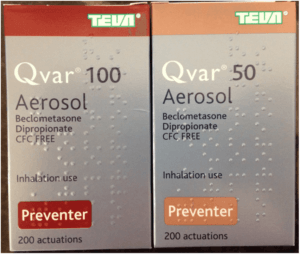
Qvar (Beclomethasone Dipropionate)

Author , posted on July 6, 2017

Category:


Qvar

Beclomethasone Dipropionate

Select Quantity:
Select Quantity:

Qvar

Beclomethasone Dipropionate

Select Quantity:
Select Quantity:

Qvar

Beclomethasone Dipropionate

Select Quantity:
Select Quantity:

Qvar

Beclomethasone Dipropionate

Select Quantity:

Beclomethasone Inhaler (Generic)

Beclomethasone Dipropionate

Select Quantity:
Select Quantity:

Beclomethasone Inhaler (Generic)

Beclomethasone Dipropionate

Select Quantity:
Select Quantity:

Free Qvar Coupon

Free Qvar Coupon


Qvar Inhaler

*Product images for reference use only

Save $10 Instantly with Qvar Coupon Code QVA10

Apply Qvar coupon code QVA10 for $10 off your order.

This offer is valid when your order total is over $50.

*Coupon codes cannot be combined and are for one-time use only

Qvar (Beclomethasone Dipropionate) - Product Information

Qvar is prescription medication used as an inhaler to prevent asthma attacks. To buy Qvar online a valid prescription is required to be submitted either by fax, email, or direct upload. Every order and transaction is backed by Norton Shopping Guarantee and Trust Guard Business verification. This ensures a safe and secure shopping experience.


You may call 1-855-776-0079 or chat live with a customer care team to place a new order or place a refill order. Additionally, explore our  FAQ section for quick answers at your convenience.

Qvar is manufactured by iNova as a product of Australia and Valeant as a product of Canada, and Teva as a product of UK.   We sell it in these dosages: 40mcg and 80mcg in 200 doses per inhaler. There is also generic beclomethasone inhaler available as a product of New Zealand. There is a standard shipping charge of $9.95 for each order and the estimated shipping time from UK and Canada being 7-10 business days. Shipping from Australia and New Zealand is an estimated 10-18 business days.

Lower the Cost of your Prescription with a Qvar Coupon

To check our affordable Qvar price, click on dosage box above to compare the cost of Qvar with your local US pharmacy. Also be sure to apply Qvar coupon code when completing the checkout for bonus savings. Pay less at PricePro Pharmacy.

What is Qvar inhaler used for?

One of the solutions for preventing asthma attacks is Qvar. Its generic name is Beclomethasone dipropionate and it is an inhaler. Qvar is a corticosteroid that is able to stop the release of chemicals that cause inflammation in the body. It is suitable for adults and kids who are five years old, utmost. If you have asthma attack, Qvar will not be of much help as it is geared for prevention and not acute treatment.

It will not help stop an attack that has already started. Being a corticosteroid, Beclomethasone dipropionate's role in preventing asthma attacks remains unknown.  Similar to other corticosteroids, this medicine has anti-inflammatory effects. It can inhibit inflammatory cells, including mast cells in the lungs.

How to use Qvar inhaler?

The dose you should take will be determined by your doctor. Hence, make sure that you completely follow your doctor’s instructions. Don’t inhale more or fewer sprays than needed. If you are 12 years or older, and not using an inhaled corticosteroid, the start dose is 40mcg to 80 mcg two times daily. Your maximum dose is 320 mcg 2 times a day. A child who is 4 to 11 years needs 40 mcg twice daily and a maximum of 80 mcg 2 times a day.

Read the instruction label carefully to ensure that you remember to do the right thing.  This inhaler might take one to two weeks to clear your symptoms. If not, contact your doctor and inform them.

As Qvar is not a rescue asthma medicine, continue to use your other prescriptions. Ensure that you tell your doctor if other asthma medicines stop working as expected. When using your inhaler for the first time, spray two test inhalations into the air. Ensure you are not targeting your face and don’t swallow. To limit your chances of catching a yeast infection, wash and rinse your mouth after using the inhaler.

Avoid washing the inhaler itself or make it wet. Instead, wipe its mouthpiece with a clean dry cloth or tissue. Do it once a week. When all the inhalations are finished, get the inhaler refilled. Note that the doctor might alter your dosage if you undergo surgery, suffer an asthma attack or get stressed out.

If stopping to use your Qvar to start using your oral tablets, do it gradually to avoid side effects. Your doctor might need to test your blood severally to ensure that Qvar is not weakening your immune system. Finally, take any skipped dose when you recall unless you are about to take your next dose to avoid an overdose.

What are the side effects of Qvar?

Side effects can occur to those who are using this spray. Most of these are mild and well tolerated.  They include the following:

  • Body pain
  • Congestion
  • Cough
  • Breathing difficulty
  • Fever
  • Sore throat
  • Runny nose and hoarseness
  • Your neck glands might swell and hurt
  • Throat pain when swallowing

The above-mentioned side effects of Qvar don’t require medical attention.  They can disappear on their own.

What are the precautions of using Beclomethasone inhaler?

Qvar should be used with caution just like similar medicines. Hence, take these precautions:

  • Get a quick-acting inhaler to help you during an attack as Qvar will not
  • Avoid this drug if you are allergic to beclomethasone
  • Don’t use if you have tuberculosis now and not using treatment
  • Avoid Qvar if having osteoporosis, or any infection caused by a virus, fungus or bacterium
  • Don’t use if your eyes are affected by herpes, glaucoma, or cataracts
  • Tell your doctor if you have a weakened immunity

Related Drugs