

Toradol (Ketorolac Tromethamine)

Author , posted on June 22, 2017

Category:


Toradol

Ketorolac Tromethamine

Select Quantity:

Ketorolac (Generic)

Ketorolac Tromethamine

Select Quantity:

Ketorolac (Generic)

Ketorolac Tromethamine

Select Quantity:

Toradol (ketorolac) Dosage and Side Effects

TORADOL is used to relieve short-term, moderate-to-severe pain in adults. This medication is typically given before or after medical procedures or after surgery. TORADOL is in a group of drugs known as non-steroidal anti-inflammatories (NSAIDs), which work by blocking your body's production of natural substances that cause inflammation.

Warnings and Precautions

NSAIDs, such as TORADOL, may increase the risk for a heart attack or stroke. Although rare, this risk may be greater if you have heart disease or an increased risk for heart disease. Your risk may also increase with prolonged use.

This medicine may cause rare but serious bleeding from the stomach or intestines. This side effect can occur without warning. Older adults may be at a higher risk for stomach bleeding. You should not use TORADOL if you have stomach or intestinal issues.

To reduce your risk of stomach bleeding, take this drug at the lowest effective dose for the shortest duration possible. Do not increase your dose or take it more frequently.

TORADOL should not be used right before or right after heart bypass surgery or before any type of surgery. It should not be used during labor/delivery or in patients with severe kidney problems.

Kidney problems can sometimes occur while taking NSAIDs. These issues are more likely to happen if you are dehydrated. You should drink plenty of fluids while taking TORADOL and tell your doctor about any signs of dehydration.

You should not take TORADOL if you are taking high doses of aspirin or other NSAIDs.

You should tell your doctor about your medical history, especially if you have ever had:

  • Asthma
  • Worsening breathing after taking other NSAIDs
  • Bleeding or clotting problems
  • Blood disorders
  • Heart disease
  • Previous heart attack
  • High blood pressure
  • Liver disease
  • Nasal polyps (growths in the nose)
  • Throat, stomach, or intestinal problems
  • Stroke
  • Swelling of the ankles, feet, or hands

You should not take TORADOL for more than five days. If you still have pain after five days, talk with your healthcare provider about other medications. You should not take more than 40 milligrams (mg) of the pill form of TORADOL in a 24-hour period.

You should keep all appointments with your doctor while taking TORADOL. Your physician will monitor your symptoms carefully and will likely order tests to check your body's response to the drug.

Pregnancy and TORADOL

TORADOL should only be used when clearly needed during pregnancy. It is not recommended for use during the first and last trimesters because of the possible negative effects it could pose on an unborn baby. The medication may also interfere with normal labor/delivery.

This drug can pass into breast milk. You should talk with your doctor before taking TORADOL, if you are breastfeeding.

Side Effects

Common Side Effects of TORADOL:

You should tell your doctor if any of the following side effects are severe or do not go away.

  • Headache
  • Drowsiness
  • Dizziness
  • Diarrhea
  • Constipation
  • Sweating
  • Sores in the mouth
  • Gas

Serious Side Effects of TORADOL:

You should alert your doctor right away if you experience any of the of the following side effects.

  • Fever
  • Yellowing of the eyes or skin
  • Blisters
  • Lack of energy
  • Excessive tiredness
  • Unusual bleeding or bruising
  • Loss of appetite
  • Nausea
  • Pale skin
  • Pain in the upper right part of the stomach
  • Flu-like symptoms
  • Back pain
  • Fast heartbeat
  • Cloudy, discolored, or bloody urine
  • Difficult or painful urination

Interactions with this medication

TORADOL and Alcohol

You should avoid consuming alcoholic beverages while taking TORADOL. Daily use of alcohol and tobacco combined with this medication may increase your risk of stomach bleeding.

TORADOL and Drug Interactions

You should tell your doctor about all prescription, non-prescription, illegal, recreational, herbal, nutritional, or dietary drugs you are taking, especially:

  • Probenecid (Probalan, Benemid)
  • Blood thinners such as warfarin (Coumadin)
  • Aspirin or other NSAIDs such as ibuprofen (Advil, Motrin) and naproxen (Aleve, Naprosyn)
  • Oral steroids such as dexamethasone (Decadron), methylprednisolone (Medrol), and prednisone (Deltasone)
  • Angiotensin-converting enzyme (ACE) inhibitors such as benazepril (Lotensin), captopril (Capoten), enalapril (Vasotec), fosinopril (Monopril), lisinopril (Prinivil, Zestril), moexipril (Univasc), perindopril (Aceon), quinapril (Accupril), ramipril (Altace), and trandolapril (Mavik)
  • Diuretics (water pills)
  • Antidepressants
  • Medications for anxiety or mental illness
  • Medications for seizures such as carbamazepine (Tegretol) or phenytoin (Dilantin)
  • Methotrexate (Rheumatrex)
  • Sedatives
  • Sleeping pills
  • Tranquilizers

TORADOL and Other Interactions

TORADOL may make you dizzy or drowsy. You should not drive, operate machinery, or perform any activity that requires you to be alert until you are sure you can do so safely.

This drug may also make your more sensitive to the effects of the sun. You should avoid prolonged sun exposure and tanning booths while taking TORADOL. Also, you should use sunscreen and wear protective clothing while outdoors.

Proper Use of this medication

Typical dosages of TORADOL are based on a patient's medical condition and response to treatment.

If taken by mouth, this medication is usually given every four to six hours with an 8-ounce glass of water. If upset stomach occurs while taking the oral form of TORADOL, you can take it with food, milk, or an antacid.

TORADOL may also be given by injection into a muscle or vein as directed by your physician. It may be given as a one-time dose or as part of a regular dosing schedule. If it is given on a regular dosing schedule, it is typically injected every six hours as needed.

Dosages should be adjusted for people over 65 years of age or weighing less than 110 lbs.

TORADOL Overdose

If you suspect an overdose, you should contact a poison control center or emergency room immediately.

Symptoms of an overdose may include:

  • Severe stomach pain
  • Extreme drowsiness
  • Slow/shallow breathing
  • Vomit that looks like coffee grounds

Missed Dose of TORADOL

It is important to receive scheduled doses of TORADOL as directed by your doctor. If you are using TORADOL on a regular schedule, and you miss a dose, contact your physician to create a new dosing schedule. Do not "double up" to make up for a missed one.

Other related products

Lantus Insulin Vial (Insulin Glargine)

Author , posted on June 22, 2017

Category:


Lantus Insulin Vial (Insulin Glargine) Dosage and Side Effects

LANTUS is a recombinant human insulin analogue that is a long-acting blood-glucose-lowering agent administered subcutaneously (under the skin) once a day.

Proper Use of this medication

Dosage:

The dosage of LANTUS should be individualized and determined based on your health professional’s advice in accordance with your needs. You may take LANTUS at any time during the day, but you must take it at the same time every day.

Many factors may affect your usual LANTUS dose, which may include changes in your diet, activity, or work schedule. Follow your health professional’s instructions carefully. Consult your health professional if you notice your insulin requirements changing markedly. Other factors that may affect your dose of insulin or your need to do additional blood/urine testing are:

Illness:

Illness, especially with nausea and vomiting, diarrhea and/or fever, may change how much insulin you need. Even if you are not eating, you will still require insulin. You and your health professional should establish a sick day plan for you to use in case of illness. When you are sick, test your blood/urine frequently and call your health professional as instructed.

Pregnancy:

If you are planning to have a baby, are pregnant, or are nursing a baby, consult your health professional. Good control of diabetes is especially important for you and your unborn baby. Pregnancy may make managing your diabetes more difficult.

Medication:

Always discuss any medications you are taking, prescription or “over-the-counter”, with your health professional. To prevent drug interactions, volunteer the names of everything you are taking even before they ask if there have been any changes. Insulin requirements may be increased in the presence of drugs with hyperglycemic activity, such as oral contraceptives (for example, birth control pills, injections and patches), and hormone replacement therapies, corticosteroids, thyroid replacement therapy, and sympathomimetic agents such as decongestants and diet pills. Insulin requirements may be reduced in the presence of drugs with hypoglycemic activity, such as oral antidiabetic agents, salicylates (for example, aspirin), sulfa antibiotics, blood pressure medications including ACE inhibitors, and certain psychiatric medications including MAO inhibitors or antidepressants and anti-anxiety medications.

Substances such as beta-blockers (medicines used for conditions including blood pressure, heart arrhythmias, palpitations and headache) and alcohol may enhance or weaken the blood-glucose-lowering effect of insulins, and signs of hypoglycemia may be reduced or absent, as well.

Exercise:

If your exercise routine changes, discuss with your health professional the possible need to adjust your insulin regimen. Exercise may lower your body's need for insulin during, and for some time after, the activity. As for all insulins, the rate of absorption, and consequently the onset and duration of action, may be affected by exercise and other variables.

Travel:

Consult your health professional concerning possible adjustments in your insulin schedule if you will be traveling across time zones. You may want to take along extra insulin and supplies whenever you travel.

Overdose:

If you have injected too much LANTUS, your blood sugar level may become too low (hypoglycemia). Check your blood sugar frequently. In general, to prevent hypoglycemia you must eat more food and monitor your blood sugar.

Hypoglycemia may occur as a result of an excess of insulin relative to food intake, energy expenditure or both.

In case of drug overdose, contact a health professional, hospital emergency department or regional Poison Control Centre immediately, even if there are no symptoms.

Missed dose:

If you have missed a dose of LANTUS or if you have not injected enough insulin, your blood sugar l
evel may become too high (hyperglycemia). Check your blood sugar frequently.

Do not take a double dose to make up for a forgotten dose.

Side Effects

Severe hypoglycemia may require the assistance of another person. Patients who are unable to take sugar orally or who are unconscious may require an injection of glucagon or should be treated with intravenous administration of glucose by medical personnel. Without immediate medical help, serious reactions or even death could occur.

Hyperglycemia can be mild or severe. It can progress to high glucose levels, diabetic ketoacidosis (DKA), and result in unconsciousness and death.

Diabetic ketoacidosis (DKA):

The first symptoms of diabetic ketoacidosis usually come on over a period of hours or days. With ketoacidosis, urine tests show large amounts of glucose and acetone.

Symptoms of diabetic ketoacidosis include:

First symptoms:

  • drowsiness,
  • flushed face,
  • thirst,
  • loss of appetite,
  • fruity smelling breath,
  • rapid, deep breathing,
  • abdominal (stomach area) pain.

Severe symptoms:

  • heavy breathing,
  • rapid pulse.

Prolonged hyperglycemia or diabetic ketoacidosis can lead to:

  • nausea,
  • vomiting,
  • dehydration,
  • loss of consciousness,
  • death.

Severe or continuing hyperglycemia or DKA requires prompt evaluation and treatment by your health professional. LANTUS should not be used to treat DKA, and the persons treating you should be advised you are taking a long-acting insulin and about your regimen.

Allergic reactions:

In rare cases, a patient may be allergic to an insulin product. Severe insulin allergies may be life-threatening. If you think you are having an allergic reaction, seek medical help immediately.

Signs of insulin allergy include:

  • a rash all over your body,
  • shortness of breath,
  • wheezing (trouble breathing),
  • a fast pulse,
  • sweating,
  • low blood pressure.

Possible reactions on the skin at the injection site:

Injecting insulin can cause the following reactions on the skin at the injection site:

  • a little depression in the skin (lipoatrophy),
  • skin thickening (lipohypertrophy),
  • redness, swelling, or itching at injection site.

In some instances, these reactions may be related to factors other than insulin, such as irritants in the skin cleansing agent or poor injection technique. You can reduce the chance of getting an injection site reaction if you change the injection site each time. If you have local injection site reactions, contact your health professional.

This is not a complete list of side effects. For any unexpected effects while taking LANTUS, contact your health professional.

Warnings and Precautions

Serious Warnings and Precautions

  • Hypoglycemia is the most common adverse effect of insulin, including LANTUS.
  • Glucose monitoring is recommended for all patients with diabetes.
  • Uncorrected hypoglycemic or hyperglycemic reactions can cause loss of consciousness, coma, or death.
  • Any change of insulin should be made cautiously and only under medical supervision.
  • LANTUS is not intended for intravenous or intramuscular administration.
  • LANTUS must not be mixed with any other insulin or diluted with any other solution because it might not work as intended.
  • This insulin product shall not be used if it is not water-clear and colourless or if it has formed a deposit of solid particles on the wall of the vial or cartridge.

Concomitant oral antidiabetic treatment may need to be adjusted.

The use of thiazolidinediones (such as rosiglitazone and pioglitazone), alone or in combination with other antidiabetic agents (including insulin), has been associated with heart failure and swelling of the lower extremities. Please contact your physician immediately if you develop symptoms of shortness of breath, fatigue, exercise intolerance, or swelling of the lower extremities while you are on these agents.

Accidental mix-ups between insulin glargine and other insulins, particularly short-acting insulins, have been reported. To avoid medication errors between insulin glargine and other insulins, check your insulin labels before every injection.

Hypokalemia (low potassium) is a possible side effect with all insulins. You might be more at risk if you are using potassium lowering drugs or losing potassium through other means (e.g. diarrhea). Symptoms of hypokalemia may include: Fatigue, muscle weakness or spasms, constipation, tingling or numbness, feeling of skipped heart beats or palpitations.

If you have diabetic retinopathy (condition affecting the retina of the eye) and you have a marked change in blood glucose levels, the retinopathy may temporary get worse. Ask your doctor about this.

BEFORE you use LANTUS talk to your health professional if:

  • You are planning to have a baby, are pregnant, or are nursing a baby;
  • You are taking any medication.

Interactions with this medication

Other medicines, including non-prescription medicines, and dietary supplements (such as vitamins) can change the way insulin works. Your dose of insulin or other medications may need to be changed in consultation with your health professional. 

Other related products

NovoLog Insulin Vial

Author , posted on June 22, 2017

Category:


Novolog Insulin Vials Dosage and Side Effects

Insulin aspart is a man-made product almost identical to human insulin that is used to treat diabetes mellitus. Like other insulin products, it works by helping sugar (glucose) get into cells. It starts working faster and lasts for a shorter time than regular insulin. Insulin aspart is usually used in combination with a medium- or long-acting insulin product injected under the skin to control high blood sugar. Even with diabetes, you can lead an active and healthy life if you eat a balanced diet, exercise regularly, and take your insulin as directed. Controlling high blood sugar helps prevent kidney damage, blindness, nerve problems, loss of limbs, and sexual function problems. Proper control of diabetes may also lessen your risk of a heart attack or stroke.

Proper Use of this medication

Insulin aspart must be injected. Learn all preparation and usage instructions, including how to inject this medication properly and how to self-manage your diabetes (e.g., monitoring blood glucose, recognizing and treating high/low blood sugar). Your health care professional will teach you how to use this medication. Read the Patient Information Leaflet provided by your pharmacist before you start using this medication and each time you get a refill. If you have any questions, consult your doctor, diabetes educator, or pharmacist. Before using, inspect this product visually for particles or discoloration. If either is present, do not use the insulin. Before injecting each dose, clean the injection site with rubbing alcohol. It is important to change the location of the injection site daily to avoid developing problem areas under the skin (lipodystrophy). To reduce discomfort at the injection site, do not inject cold insulin. The insulin container you are currently using can be kept at room temperature. Insulin aspart may be injected in the abdominal wall, the thigh, or the back of the upper arm. Inject this medication under the skin within 5-10 minutes before eating a meal or as directed by your doctor. Because this insulin is fast-acting, not eating immediately after a dose of this insulin may lead to low blood sugar (hypoglycemia). After pulling out the needle, apply gentle pressure on the injection site. Do not rub the area. The dosage is based on your medical condition and response to therapy. Measure each dose very carefully because even small changes in the amount of insulin may have a large effect on your blood sugar levels. Check your urine/blood sugar as directed by your doctor. Keep track of your results and share them with your doctor. This is very important in order to determine the correct insulin dose. Use this medication regularly in order to get the most benefit from it. To help you remember, use it at the same time(s) each day. Giving insulin aspart into a vein should only be done in a medical office, clinic, or hospital. Severe low blood sugar may result. Also, it should not be injected into a muscle. If you are directed to inject this insulin with an infusion pump, read the instruction manual and directions that come with the infusion pump. If you have any questions, consult your doctor, diabetes educator, or pharmacist. Avoid exposing the pump or its tubing to direct sunlight or other heat sources. This product may be mixed only with certain other insulin products such as NPH insulin. Always draw the insulin aspart into the syringe first, then follow with the longer-acting insulin. Consult your pharmacist about which products may be mixed and the proper method for mixing insulin. Never inject a mixture of different insulins into a vein. Do not mix or dilute insulins if you are using an insulin pump. Do not change brands or types of insulin without directions on how to do so from your doctor. Learn how to store and discard needles and medical supplies safely. Consult your pharmacist.

Side Effects

Injection site reactions (e.g., pain, redness, irritation) may occur. If any of these effects persist or worsen, notify your doctor or pharmacist promptly. Remember that your doctor has prescribed this medication because he or she has judged that the benefit to you is greater than the risk of side effects. Many people using this medication do not have serious side effects. Tell your doctor immediately if this unlikely but serious side effect occurs: muscle pain. This medication can cause low blood sugar (hypoglycemia). This effect may occur if you do not consume enough calories (from food, juices, fruit, etc.) or if you have taken too much insulin aspart. The symptoms include chills, cold sweat, blurred vision, dizziness, drowsiness, shaking, fast heartbeat, weakness, headache, fainting, tingling of the hands/feet, and hunger. It is a good habit to carry glucose tablets or gel to treat low blood sugar. If you don't have these reliable forms of glucose, quickly raise your blood sugar level by eating a quick source of sugar such as table sugar, honey, or candy, or drink a glass of orange juice or non-diet soda. Tell your doctor immediately about the reaction. To help prevent hypoglycemia, eat meals on a regular schedule, and do not skip meals. Check with your doctor or pharmacist about what you should do if you miss a meal. Too little insulin aspart can cause symptoms of high blood sugar (hyperglycemia). Symptoms include thirst, increased urination, confusion, drowsiness, flushing, rapid breathing, and fruity breath odor. If these symptoms occur, tell your doctor immediately. Your dosage may need to be increased. A very serious allergic reaction to this drug is unlikely, but seek immediate medical attention if it occurs. Symptoms of a serious allergic reaction may include: rash, itching/swelling (especially of the face/tongue/throat), severe dizziness, fast heartbeat, sweating, trouble breathing. This is not a complete list of possible side effects. If you notice other effects not listed above, contact your doctor or pharmacist. In the US - Call your doctor for medical advice about side effects. You may report side effects to FDA at 1-800-FDA-1088. In Canada - Call your doctor for medical advice about side effects. You may report side effects to Health Canada at 1-866-234-2345.

Interactions with this medication

Drug interactions may change how your medications work or increase your risk for serious side effects. This document does not contain all possible drug interactions. Keep a list of all the products you use (including prescription/nonprescription drugs and herbal products) and share it with your doctor and pharmacist. Do not start, stop, or change the dosage of any medicines without your doctor's approval. A product that may interact with this drug is: rosiglitazone. Beta-blocker medications (e.g., metoprolol, propranolol, glaucoma eye drops such as timolol) may prevent the fast/pounding heartbeat you would usually feel when your blood sugar level falls too low (hypoglycemia). Other symptoms of low blood sugar such as dizziness, hunger, or sweating are unaffected by these drugs. Many drugs can affect your blood sugar levels, making it more difficult to control your blood sugar. Before you start, stop, or change any medication, talk with your doctor or pharmacist about how the medication may affect your blood sugar. Check your blood sugar levels regularly as directed by your doctor. Tell your doctor about the results and of any symptoms of high or low blood sugar. (See also Side Effects section.) Your doctor may need to adjust your anti-diabetic medication, exercise program, or diet. Check the labels on all your medicines (e.g., cough-and-cold products) because they may contain ingredients that could affect your blood sugar. Ask your pharmacist about the safe use of those products.

Warnings and Precautions

Before using insulin aspart, tell your doctor or pharmacist if you are allergic to it; or to other insulins; or if you have any other allergies. This product may contain inactive ingredients (such as cresol), which can cause allergic reactions or other problems. Talk to your pharmacist for more details. Do not use this medication when you have low blood sugar (hypoglycemia). Before using this medication, tell your doctor or pharmacist your medical history, especially of: kidney disease, liver disease, thyroid problems. You may experience blurred vision, dizziness, or drowsiness due to extremely low or high blood sugar levels. Do not drive, use machinery, or do any activity that requires alertness or clear vision until you are sure you can perform such activities safely. Limit alcohol while taking this medication because it can increase the risk of developing hypoglycemia. During times of stress, such as fever, infection, injury or surgery, it may be more difficult to control your blood sugar. Consult your doctor because a change in your medication or how often you test your blood sugar may be required. Check your blood sugar readings before and after exercise. You may need a snack beforehand. If traveling across time zones, ask your doctor about how to adjust your insulin schedule. Take extra insulin and supplies with you. The elderly may be more sensitive to the effects of this drug, especially hypoglycemia. Children may be more sensitive to the effects of this drug, especially hypoglycemia. When used in children, diluting insulin aspart before injecting is recommended. Ask your pharmacist about the correct way to dilute insulin. Tell your doctor if you are pregnant before using this medication. If you are planning pregnancy, discuss a plan for managing your blood sugars with your doctor before you become pregnant. Your doctor may switch the type of insulin you use during pregnancy. Consult your doctor for more details. This medication does not pass into breast milk. Consult your doctor before breast-feeding. Your insulin needs may change while breast-feeding.

About this medication

Byetta (Exenatide)

Author , posted on June 21, 2017

Category:


Byetta

Exenatide

Select Quantity:

Byetta (Exenatide) Dosage and Side Effects

Exenatide is used along with other oral diabetes medications (e.g., metformin, chlorpropamide, glipizide, glyburide) and a proper diet and exercise program to control high blood sugar in people with Type 2 diabetes (non-insulin dependent diabetes). Controlling high blood sugar helps prevent kidney damage, blindness, nerve problems, loss of limbs, and sexual function problems. Proper control of diabetes may also lessen your risk of a heart attack or stroke. Exenatide acts like the natural blood sugar-lowering hormone called incretin. It works in several ways, especially by stimulating the release of the body's natural insulin in response to high sugar levels after a meal, thereby lowering your blood sugar. Exenatide is not a substitute for insulin if you require insulin treatment. This medication should not be used in patients with Type 1 diabetes or for the treatment of extremely high blood sugars (diabetic ketoacidosis).

Warnings and Precautions

Before using exenatide, tell your doctor or pharmacist if you are allergic to it; or to liraglutide; or if you have any other allergies. This product may contain inactive ingredients, which can cause allergic reactions or other problems. Talk to your pharmacist for more details. Before using this medication, tell your doctor or pharmacist your medical history, especially of: kidney disease, severe stomach/intestinal disorders (e.g., digestion problems such as gastroparesis, or pancreatitis). You may experience blurred vision, headache, dizziness, or drowsiness due to extremely low or high blood sugar levels. Do not drive, use machinery, or do any activity that requires alertness or clear vision until you are sure you can perform such activities safely. Limit alcoholic beverages since alcohol can affect your blood sugar. During times of severe stress, such as fever, infection, injury or surgery, it may be more difficult to control your blood sugar. Consult your doctor, as a change in your medication or how often you test your blood sugar may be required. This medication should be used only when clearly needed during pregnancy. Discuss the risks and benefits with your doctor. Your doctor may substitute insulin for this drug during your pregnancy. Follow all instructions carefully. It is unknown if this medication passes into breast milk, but it is unlikely to harm a nursing infant. Consult your doctor before breast-feeding.

Interactions with this medication

Your healthcare professionals (e.g., doctor or pharmacist) may already be aware of any possible drug interactions and may be monitoring you for it. Do not start, stop or change dosage of any medicine before checking with them first. Before using this medication, tell your doctor or pharmacist of all prescription and nonprescription/herbal products you may use, especially of: birth control pills (see also How To Use section), oral antibiotics, warfarin. Beta-blocker medications (e.g., metoprolol, propranolol, glaucoma eye drops such as timolol) may prevent the fast/pounding heartbeat you would usually feel when your blood sugar level falls too low (hypoglycemia). Other symptoms of low blood sugar such as dizziness, hunger, or sweating are unaffected by these drugs. Many drugs can affect your blood sugar levels, making it more difficult to control your blood sugar. Before you start, stop, or change any medication, talk with your doctor or pharmacist about how the medication may affect your blood sugar. Check your blood sugar levels regularly as directed by your doctor. Tell your doctor about the results and of any symptoms of high or low blood sugar. (See also Side Effects section.) Your doctor may need to adjust your anti-diabetic medication, exercise program, or diet. This document does not contain all possible interactions. Therefore, before using this product, tell your doctor or pharmacist of all the products you use. Keep a list of all your medications with you, and share the list with your doctor and pharmacist.

Proper Use of this medication

Read the Medication Guide and the Pen User Manual provided by your pharmacist before you start using exenatide and each time you get a refill. If you have questions regarding the information, consult your doctor or pharmacist. Exenatide is injected under the skin (subcutaneous-SC) in the thigh, abdomen, or upper arm usually twice daily within the hour before the morning and evening meals (or before the two main meals of the day, approximately 6 hours or more apart). Exenatide should not be injected after a meal since it will be much less effective at that time. Antibiotics and birth control pills should be taken at least 1 hour before exenatide, since exenatide may decrease their effectiveness if used at the same time. If the antibiotic or birth control pill needs to be taken with food then take it with a meal or snack when exenatide is not injected (such as lunch). (See also Drug Interactions section) Make sure you learn the technique and procedures for preparing the drug and for self-injection. Consult your doctor or pharmacist if you have any questions. Before injecting each dose, clean the injection site with rubbing alcohol. It is important to change the location of the injection site daily to avoid problem areas under the skin. Before using, check this product visually for particles or discoloration. If either is present, do not use the liquid. Do not mix exenatide with insulin in the same syringe or vial even if you take them at the same time. The dosage is based on your medical condition and your response to therapy. Use this medication regularly in order to get the most benefit from it. Learn how to store and discard needles and medical supplies safely. Consult your pharmacist. Tell your doctor if your condition persists or worsens (blood sugar levels are too high or low).

Side Effects

Nausea, vomiting, diarrhea, nervousness or upset stomach may occur as your body adjusts to the medication. Nausea usually lessens as you continue to use exenatide. Other side effects include decreased appetite/food intake or decreased body weight. If any of these effects persist or worsen, contact your doctor or pharmacist promptly. Remember that your doctor has prescribed this medication because he or she has judged that the benefit to you is greater than the risk of side effects. Many people using this medication do not have serious side effects. Although exenatide by itself usually does not cause low blood sugar (hypoglycemia), low blood sugar may occur if this drug is prescribed with other anti-diabetes medications. Talk with your doctor or pharmacist about whether the dose(s) of your other diabetic medication(s) needs to be lowered. Drinking large quantities of alcohol, not getting enough calories from food, or doing unusually heavy exercise may also lead to low blood sugar. Symptoms may include sudden sweating, shaking, fast heartbeat, hunger, blurred vision, dizziness, or tingling hands/feet. It is a good habit to carry glucose tablets or gel to treat low blood sugar. If you don't have these reliable forms of glucose, rapidly raise your blood sugar by eating a quick source of sugar such as table sugar, honey, or candy, or drink fruit juice or non-diet soda. Tell your doctor immediately about the reaction and the use of this product. To help prevent low blood sugar, eat meals on a regular schedule, and do not skip meals. Check with your doctor or pharmacist to find out what you should do if you miss a meal. Symptoms of high blood sugar (hyperglycemia) include thirst, increased urination, confusion, drowsiness, flushing, rapid breathing, and fruity breath odor. If these symptoms occur, tell your doctor immediately. Your dosage may need to be increased. Rare but serious pancreas problems (pancreatitis) can occur while using exenatide. Get immediate medical attention if you develop severe/persistent stomach/abdominal pain, or persistent severe nausea/vomiting. Do not restart exenatide treatment without first talking with your doctor. Tell your doctor immediately if this rare but serious side effect occurs: a change in the amount of your urine. A very serious allergic reaction to this drug is unlikely, but seek immediate medical attention if it occurs. Symptoms of a serious allergic reaction may include: rash, itching/swelling (especially of the face/tongue/throat), severe dizziness, trouble breathing. This is not a complete list of possible side effects. If you notice other effects not listed above, contact your doctor or pharmacist. In the US - Call your doctor for medical advice about side effects. You may report side effects to FDA at 1-800-FDA-1088. In Canada - Call your doctor for medical advice about side effects. You may report side effects to Health Canada at 1-866-234-2345.

Other related products

Tracleer (Bosentan)

Author , posted on June 21, 2017

Category:


Tracleer

Bosentan Monohydrate

Select Quantity:

Tracleer (bosentan) Dosage and Side Effects

TRACLEER (bosentan) tablets are prescribed for the treatment of pulmonary arterial hypertension (high blood pressure in the blood vessels between the heart and the lungs).

Warnings and Precautions

Serious Warnings and Precautions

Before you use TRACLEER talk to your doctor or pharmacist if you are:

  • known to have liver problems;
  • pregnant or thinking of becoming pregnant;
  • a woman of childbearing age and not using adequate contraceptive methods;
  • breast-feeding;
  • hypersensitive (allergic) to bosentan or any other ingredients of TRACLEER.

Before starting TRACLEER treatment, tell your doctor and your pharmacist if you are taking or have recently taken any other medicines, even those you have bought yourself. It is especially important to tell your doctor if you are taking:

  • hormonal contraceptives (as these may not be effective as the sole method of contraception when you take TRACLEER);
  • glyburide (for diabetes);
  • cyclosporine A (a medicine used after transplants and to treat psoriasis), or any other drugs used to prevent rejection of transplanted organs;
  • fluconazole (to treat fungal infections);
  • rifampicin (to treat tuberculosis);
  • vasodilators (drugs used to treat high blood pressure).

Tests during treatment:

Some patients taking TRACLEER were found to have abnormal liver function values (increase in liver enzymes) and some patients developed anemia (reduction in red blood cells). Because these findings may not cause symptoms you can feel or observe yourself, your doctor will do regular blood tests to assess any changes in your liver function and hemoglobin level.

Liver function:

This blood test will be done:

  • every month or more frequently, if needed.

If you develop abnormal liver function, your doctor may decide to reduce your dose or stop treatment with TRACLEER. When your blood test results for liver function return to normal, your doctor may decide to restart treatment with TRACLEER.

Anemia:

This blood test will be done:

  • after 1 month and after 3 months of treatment;
  • every 3 months during treatment thereafter.

If you develop anemia, your doctor may decide to perform further tests to investigate the cause.

Your regular blood tests, both for liver function and anemia, are an important part of your treatment. We suggest you write in a diary the date of your most recent test and also that of your next test (ask your doctor for the date) to help you remember when your next test is due.

Pregnancy tests for women of childbearing age:

Due to the risk of failure of hormonal contraception when taking TRACLEER and the risk in patients with pulmonary hypertension of rapid and severe deterioration of the disease, monthly pregnancy tests are recommended before and during treatment with TRACLEER.

Side Effects

Like all medicines, TRACLEER can have side effects even when used as directed.

If you notice yellowing of the skin or eyes (jaundice) or other symptoms such as nausea, vomiting, fever, abdominal pain or unusual tiredness, see your doctor immediately because this may be related to abnormal liver function.

Headaches were the most common side effect in clinical studies.

You may also notice one or more of the following side effects:

  • flushed appearance, inflammation of the throat and nasal passages, swelling of the legs and ankles, or other signs of fluid retention, low blood pressure, irregular heartbeat, heartburn, tiredness, itching, nasal congestion, nausea. If these side effects become bothersome, contact your doctor.

Other less common side effects that you might notice:

  • vomiting, abdominal pain, diarrhea, skin rash.

If you notice any other side effects or signs of allergic reaction (e.g. swelling of the face or tongue, rash, pruritus) while you are taking TRACLEER or if any of the side effects mentioned above worries you, please inform your doctor or pharmacist.

Interactions with this medication

Drugs that may interact with TRACLEER include: warfarin, simvastatin and other statins, glyburide, ketoconazole, cyclosporine A, tacrolimus, sirolimus and hormonal contraceptives.

Proper Use of this medication

Always take TRACLEER exactly as your doctor has instructed you. You should check with your doctor or pharmacist if you are unsure.

Usual dose:

The usual dose is one tablet, swallowed twice daily (morning and evening), consistently with or without food. Swallow the tablet with water. For the first 4 weeks, you will take a 62.5 mg tablet twice daily, from then on, your doctor will advise you to take a 125 mg tablet twice daily, depending on how you react to TRACLEER.

Overdose:

If you take more tablets than you have been told to take, see a doctor or go to a hospital immediately.

Missed dose:

If you forget to take TRACLEER, take a dose as soon as you remember, then continue to take your tablets at the usual time. Do not take a double dose to make up for forgotten tablets.

Stopping treatment:

Suddenly stopping your treatment with TRACLEER may lead to a worsening of your symptoms. Do not stop taking TRACLEER unless your doctor tells you to. Your doctor may tell you to reduce the dose over a few days before stopping completely.

Other related products

Glucagon (Glucagon Recombinant)

Author , posted on June 21, 2017

Category:


PRODUCT NOT AVAILABLE

Glucagon (Glucagon Recombinant) Dosage and Side Effects

Glucagon is a hormone produced by the pancreas that, along with insulin, controls the level of glucose in the blood. Glucagon has the opposite effect of insulin. It increases the glucose levels in blood. Glucagon, the drug, is a synthetic (man-made) version of human glucagon and is manufactured by genetic engineering using the bacteria Escherichia coli.

About this medication

About ...

Warnings and Precautions

Warning info here....

Interactions with this medication

interactions info....

Proper Use of this medication

proper use info...

Side Effects

Side Effects info...

Cosopt Preservative Free (Dorzolamide/Timolol)

Author , posted on June 21, 2017

Category:


Cosopt Preservative Free

Timolol Maleate, Dorzolamide Hydrochloride

Select Quantity:

Cosopt Preservative Free

Timolol Maleate, Dorzolamide Hydrochloride

Select Quantity:

Timolol/Dorzolamide Preservative Free (Generic)

Timolol Maleate, Dorzolamide Hydrochloride

Select Quantity:

Cosopt Preservative Free (Dorzolamide/Timolol) Medication Information

Uses

Cosopt is an eye drop used to treat open-angle glaucoma or ocular hypertension. 

Dosage

The eye drop is supplied in an 18 mL bottle. 

Side Effects

The most common side effects of Cosopt include:

  • Ocular burning
  • Conjunctival hyperemia
  • Blurred vision
  • Eye itching
  • Keratitis 

Speak with your doctor for a full list of side effects that apply to you if you are taking Cosopt.

Precautions

Cosopt has not been studied in patients with kidney or liver impairment. 

Patients need to avoid touching the tip of the bottle to their eye as it can lead to eye infection. 

If patients have eye surgery or have eye condition they need to speak with their doctor immediately. 

Patients with asthma, or chronic obstructive pulmonary disease should not take Cosopt. 

Interactions

Common drug interactions with Cosopt include:

  • Carbonic anhydrase inhibitor
  • Beta blockers
  • Calcium antagonist
  • Catecholamine depleting drugs
  • Digoxin
  • Clonidine

Speak with your doctor for more information and before starting a new medication with Cosopt. 

Storage

Store at room temperature (59-86 ºF). Protect from light. 

Pharmacist Tips

  • Wash your hands before instilling the Cosopt drops. 
  • Before using Cosopt, be sure that the Safety Strip on the bottle is unbroken. 
  • Do not touch the Cosopt bottle tip to your eye while instilling drops. 

Cosopt PF FAQs

Does Cosopt cause dizziness?

Cosopt should not cause dizziness, if you experience this contact your doctor immediately.


What is Cosopt used for?

Cosopt is used to treat glaucoma. 


What happens if you don’t take your Cosopt drop?

Cosopt is used to slow the progression of Cosopt, if you don't take your medication it cannot provide this benefit. 


How many drops are in Cosopt?

There are approximately 25 drops per milliliter of Cosopt. 


How often do you use Cosopt?

Cosopt is dosed as one drop twice a day in the affected eye. 


Related Drugs

Reference:

Cosopt {package insert}. Whitehouse Station, NJ: Merck & Co., Inc.; 2005.

https://www.accessdata.fda.gov/drugsatfda_docs/label/2013/022320s004lbl.pdf

PharmD Medical Writer

Author: Dr. Larisa Roybal, PharmD

Dr. Roybal is a board-certified pharmacotherapy specialist who has practiced in both ambulatory and acute care settings. Her pharmacy interests include oncology and general inpatient pharmacy.

Tradjenta (Linagliptin)

Author , posted on June 21, 2017

Category:


Tradjenta

Linagliptin

Select Quantity:

Tradjenta

Linagliptin

Select Quantity:

Tradjenta

Linagliptin

Select Quantity:

Tradjenta

Linagliptin

Select Quantity:

Linagliptin (Generic)

Linagliptin

Select Quantity:

Tradjenta Coupon - Save an Extra $10

Lower the price of Tradjenta by $10.

Simply apply Tradjenta coupon code TRA10 at checkout.

*Coupon codes cannot be combined and are for one-time use only

Save on your Canadian Pharmacy Tradjenta (Linagliptin) Cost

Tradjenta (Linagliptin) is a medication that is prescribed to patients to help lower blood sugar in people with Type 2 diabetes.

Type 2 diabetes is when the body doesn’t produce or use insulin properly.

The medication along with a healthy diet and exercise can be effective. Tradjenta (Linagliptin) is a dipeptidyl peptidase-4 inhibitor (DPP-4 inhibitor). It increases the body’s level of incretin hormones, which naturally lowers blood sugar levels.

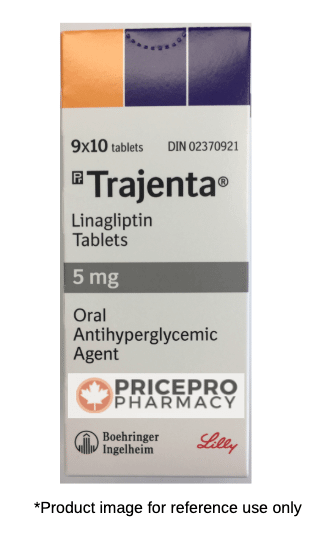
The active medicinal ingredient in Trajenta is Linagliptin.

Free Tradjenta Coupon

Free Tradjenta Coupon

Tradjenta 5mg 90 tablets from Canada

How to Buy Tradjenta (Linagliptin)

To buy Tradjenta online a prescription is required to place an order with our Canadian Pharmacy. Tradjenta 5mg cost for 90 tablets is $375. Though, we encourage you to get in touch to explore the best ways to lower your Tradjenta cost.

Be sure to take advantage of our offers and special discounts. You save $10 off your order with a Tradjenta coupon applied at checkout.

There is no Tradjenta generic options available on the market.

The tablets are round shaped and red in colour and have the marking "D5" on one side of the tablet. Boehringer Ingelheim is the manufacturer of Tradjenta. Tradjenta is marketed as Trajenta in Canada.

prescription drugs

Tradjenta Dose Available

The following dosage is available to order:

  • Tradjenta 5mg

This medication comes in packs of 30, 60 or 90 tablets and is manufactured by Boehringer Ingelheim.

We have option sourced from Turkey, Canada and Australia.

The active medicinal ingredient is known as Linagliptin.

save money on prescription drugs

Tradjenta Cost

At PricePro Pharmacy the low cost of Tradjenta 5mg is:

  • $68.00 for 1 pack of 30 tablets

While, the average retail price of Tradjenta 50mg in the United States is:

  • $433.00 for 1 pack of 30 tables

You can save up to 84% ($365.00) when  you order your Tradjenta medication from PricePro Pharmacy.  This price is available without coupons or health insurance coverage.

Another way to save on Tradjenta is by placing an order for a 90-day supply of medication compared to a one-month supply.


Canadian Pharmacy Coupon

Tradjenta Coupon Available

Apply Tradjenta coupon code TRA10 - $10 instant savings on your order!

This Tradjenta pharmacy coupon is just our way of making things even better at PricePro Pharmacy.

Please note that these discount codes are only available on a one-time basis for new customers and cannot be paired with other coupons/offers.

Generic Drug Bottle

Tradjenta Generic

Currently there is no generic for Tradjenta available in the market.

We do keep a close eye when there are new updates so we will be sure to update our product page once there is an alternative available.

As a reminder generic medications contain the same active ingredient as the brand name medication.


prescription delivery

Shipping Times

The estimated shipping time for your order is:

  • 7 to 12 business days (Product of Canada)
  • 10-18 business days (Product of Turkey, and Australia)

We charge a regular shipping charge of $9.95 per order. Medication shipped from Canada, is eligible for an express shipping option at a cost of $25.00 per order. Express shipments take between 3 to 5 business days to arrive after they have been delivered.

When your prescription has been shipped, you will receive an email update to your order tracking information.

We ship all across USA right to your door.

online prescription refill

Refill Prescription Online

We provide a prescription reminder service where we give you an email or call you, reminding you of the best time to place a new order while taking into account delivery times.

You can access the details of your prescription and order history online. Also, to put a reorder online, just log in to your online user account and press the reorder button. If your prescription is valid, you don't need to upload a new one. If not, we will need a new prescription to process your order.

We are proud of our outstanding customer service. If you have any questions, you can connect to our live chat or call us toll-free at 1-855-776-0079.

Tradjenta (Linagliptin) Medication Information

Uses

Tradjenta is a message prescribed to treat type 2 diabetes mellitus. Tradjenta will not work for people with type 1 diabetes mellitus.

Tradjenta is an oral medication that works by increasing the levels of incretin, a hormone that is released by the gastrointestinal tract when eating. High levels of incretin cause the blood levels of insulin to increase and levels of glucose to decrease.

Tradjenta can be prescribed in combination with diet and exercise to help treat high blood sugar and reduce the long-term complications of diabetes

People with type 2 diabetes mellitus do not have enough insulin to meet their metabolic needs. There are two main mechanisms behind the disease: 1) not enough insulin is produced by the pancreas, and 2) the cells of the body have become resistant to insulin, and the insulin produced by the pancreas is not enough to meet glucose needs.

A combination of a good diet, regular exercise, and medications like Tradjenta can treat type 2 diabetes.

Dosage

The regular dosage of Tradjenta 5 mg by mouth once daily. Take Tradjenta exactly as directed by your doctor. 

Side Effects

Common side effects may include:

  • Bronchospasm
  • Cough
  • Hypoglycemia
  • Increased serum lipase
  • Myalgia
  • Nasopharyngitis
  • Urticaria

Precautions

Tradjenta should not be used by people with type 1 diabetes mellitus.

Tradjenta should not be used to treat the medical emergency diabetic ketoacidosis (DKA).

Tell your doctor if you have a history of pancreatitis. Tradjenta has been reported in rare cases to cause pancreatitis, which can be fatal.

Use caution if you have a history of heart disease.

Arthralgia is a rare but severe side effect of Tradjenta and other medications in its class. Tell your doctor immediately if you develop sudden and severe joint pain.

Interactions

Common drug-drug interactions with Tradjenta may include:

  • Apalutamide
  • Carbamazepine
  • Enzalutamide
  • Fosphenytoin
  • Insulin
  • Lumacaftor
  • Lumacaftor-ivacaftor
  • Mitotane
  • Mitotane
  • Phenobarbital
  • Phenytoin
  • Primidone
  • Rifampin (rifampicin)
  • Sulfonylureas

Tell your doctor and pharmacist about all of the medications you are taking before you start Tradjenta. Supplements, herbal products, and over-the-counter medications may also cause drug interactions.

Storage

Store Tradjenta at between 15°C to 30°C (59°F to 86°F). Do not store in rooms with high humidity like the bathroom or kitchen.

Pharmacist Tips

  • Tradjenta will not cause hypoglycemia (low blood sugar) on its own, but it can cause low blood sugar when combined with insulin or sulfonylurea medications.
  • You may need to take Tradjenta in combination with other medications that treat diabetes.
  • Do not split, crush, or chew Tradjenta tablets. Swallow whole with a glass of water.

Linagliptin FAQs

What are the most common side effects of Tradjenta?

The most commonly reported side effects are diarrhea, cough, sore throat, and runny nose.


What should I do if I miss a dose of Tradjenta? 

Take the next dose of Tradjenta at your regularly scheduled time. Do not double up.


Do I need to take Tradjenta with food?

No, it can be taken with or without food at the same time each day.

Related Products

References

  1. Tradjenta [package insert]. Ridgefield, CT: Boehringer Ingelheim; 2020.

Medication Review by a Clinical Pharmacist - PharmD

Author: Dr. Conor Sheehy, PharmD, BCPS

Dr. Sheehy is a board-certified pharmacotherapy specialist. He has worked in multiple practice settings, including retail and hospital pharmacies, and in medical clinics.  He specializes in anticoagulation, psychiatric medications, and diabetes medications. He strives to empower his patients to understand their medications and improve their overall medical care.

View Linkedin profile

Levemir Penfills (Insulin Detemir)

Author , posted on June 21, 2017

Category:


We ship Levemir via Canada Post Expresspost.  Estimated delivery time of 3-5 business days from the time package is shipped.  Levemir from Canada will be shipped in a styro-foam insulated container with gel/ice packs to ensure medication stays within the recommended temperature range while in transit.  This product should be refrigerated upon arrival.  Due to special shipping and handling requirements, the shipping fee for this product is $25.

Levemir Penfills Dosage and Side Effects

Insulin detemir is used with a proper diet and exercise program to control high blood sugar in people with diabetes. Controlling high blood sugar helps prevent kidney damage, blindness, nerve problems, loss of limbs, and sexual function problems. Proper control of diabetes may also lessen your risk of a heart attack or stroke.

Insulin detemir is a man-made product that is similar to human insulin. It replaces the insulin that your body would normally make. It acts longer than regular insulin, providing a low, steady level of insulin. It works by helping blood sugar (glucose) get into cells so your body can use it for energy. Insulin detemir may be used with a shorter-acting insulin product. It may also be used alone or with other diabetes drugs (such as metformin, exenatide).

Proper Use of this medication

Read the Patient Information Leaflet provided by your pharmacist before you start using this medication and each time you get a refill. If you have any questions, ask your doctor, diabetes educator, or pharmacist.

Learn all preparation and usage instructions from your health care professional and the product package.

Before using, check this product visually for particles or discoloration. If either is present, do not use the insulin. Insulin detemir should be clear and colorless.

Before injecting each dose, clean the injection site with rubbing alcohol. Change the injection site each time to lessen injury under the skin and to avoid developing problems under the skin (lipodystrophy). Insulin detemir may be injected in the stomach area, the thigh, or the back of the upper arm. Do not inject into a vein or muscle because very low blood sugar (hypoglycemia) may occur. Do not rub the area after the injection. Do not inject into skin that is red, swollen, or itchy. Do not inject cold insulin because this can be painful. The insulin container you are currently using can be kept at room temperature (see also Storage section). Do not shake the container.

Inject this medication under the skin as directed by your doctor, usually once or twice daily. Insulin detemir is usually injected with the evening meal or at bedtime. If you are using it twice a day, inject as directed by your doctor, usually your first dose in the morning and your second dose with the evening meal, at bedtime, or 12 hours after the morning dose.

This product should not be mixed with any other insulin. Do not use insulin detemir in an infusion pump.

Do not change brands or types of insulin without directions on how to do so from your doctor.

Do not share your pen device with another person, even if the needle is changed. You may give other people a serious infection, or get a serious infection from them. Learn how to store and discard medical supplies safely.

The dosage is based on your medical condition and response to treatment. Measure each dose very carefully because even small changes in the amount of insulin may have a large effect on your blood sugar.

Check your blood sugar regularly as directed by your doctor. Keep track of your results and share them with your doctor. This is very important in order to determine the correct insulin dose.

Use this medication regularly to get the most benefit from it. To help you remember, use it at the same times each day.

Tell your doctor if your condition does not improve or if it worsens (your blood sugar is too high or too low).

Side Effects

Injection site reactions (such as pain, redness, irritation) and swelling of the hands/feet may occur. If any of these effects persist or worsen, tell your doctor or pharmacist promptly.

Remember that your doctor has prescribed this medication because he or she has judged that the benefit to you is greater than the risk of side effects. Many people using this medication do not have serious side effects.

Tell your doctor right away if you have any serious side effects, including: signs of low potassium level in the blood (such as muscle cramps, weakness, irregular heartbeat).

This medication can cause low blood sugar (hypoglycemia). This may occur if you do not consume enough calories from food or if you do unusually heavy exercise. Symptoms of low blood sugar include sudden sweating, shaking, fast heartbeat, hunger, blurred vision, dizziness, or tingling hands/feet. It is a good habit to carry glucose tablets or gel to treat low blood sugar. If you don't have these reliable forms of glucose, rapidly raise your blood sugar by eating a quick source of sugar such as table sugar, honey, or candy, or drink fruit juice or non-diet soda. Tell your doctor right away about the reaction and the use of this product. To help prevent low blood sugar, eat meals on a regular schedule, and do not skip meals. Check with your doctor or pharmacist to find out what you should do if you miss a meal.

Symptoms of high blood sugar (hyperglycemia) include thirst, increased urination, confusion, drowsiness, flushing, rapid breathing, and fruity breath odor. If these symptoms occur, tell your doctor right away. Your dosage may need to be increased.

A very serious allergic reaction to this drug is rare. However, get medical help right away if you notice any symptoms of a serious allergic reaction, including: rash, itching/swelling (especially of the face/tongue/throat), severe dizziness, trouble breathing.

This is not a complete list of possible side effects. If you notice other effects not listed above, contact your doctor or pharmacist.

In the US -

Call your doctor for medical advice about side effects. You may report side effects to FDA at 1-800-FDA-1088 or at www.fda.gov/medwatch.

In Canada - Call your doctor for medical advice about side effects. You may report side effects to Health Canada at 1-866-234-2345.

Interactions with this medication

Drug interactions may change how your medications work or increase your risk for serious side effects. This document does not contain all possible drug interactions. Keep a list of all the products you use (including prescription/nonprescription drugs and herbal products) and share it with your doctor and pharmacist. Do not start, stop, or change the dosage of any medicines without your doctor's approval.

A product that may interact with this drug is: rosiglitazone.

Beta-blocker medications (such as metoprolol, propranolol, glaucoma eye drops such as timolol) may prevent the fast/pounding heartbeat you would usually feel when your blood sugar falls too low (hypoglycemia). Other symptoms of low blood sugar, such as dizziness, hunger, or sweating, are unaffected by these drugs.

Many drugs can affect your blood sugar levels, making it more difficult to control your blood sugar. Before you start, stop, or change any medication, talk with your doctor or pharmacist about how the medication may affect your blood sugar. Check your blood sugar regularly as directed by your doctor. Tell your doctor about the results and of any symptoms of high or low blood sugar. (See also Side Effects section.) Your doctor may need to adjust your diabetes medication, exercise program, or diet.

Warnings and Precautions

Before using insulin detemir, tell your doctor or pharmacist if you are allergic to it; or to other types of insulins; or if you have any other allergies. This product may contain inactive ingredients, which can cause allergic reactions or other problems. Talk to your pharmacist for more details.

Do not use this medication when you have low blood sugar (hypoglycemia).

Before using this medication, tell your doctor or pharmacist your medical history, especially of: adrenal/pituitary gland problems, kidney disease, liver disease, thyroid problems.

You may experience blurred vision, dizziness, or drowsiness due to extremely low or high blood sugar. Do not drive, use machinery, or do any activity that requires alertness or clear vision until you are sure you can perform such activities safely.

Limit alcohol while taking this medication because it can increase the risk of developing low blood sugar.

It may be harder to control your blood sugar when your body is stressed (such as due to fever, infection, injury, or surgery). Consult your doctor because this may require a change in your treatment plan, medications, or blood sugar testing.

Before having surgery, tell your doctor or dentist about all the products you use (including prescription drugs, nonprescription drugs, and herbal products).

Check your blood sugar readings before and after exercise. You may need a snack before exercising.

If traveling across time zones, ask your doctor about how to adjust your insulinschedule. Take extra insulin and supplies with you.

Older adults may be more sensitive to the side effects of this drug, especially low blood sugar.

Children may be more sensitive to the side effects of this drug, especially low bloodsugar.

Tell your doctor right away if you are pregnant. Pregnancy may cause or worsen diabetes. Discuss a plan with your doctor for managing your blood sugar while pregnant. Your doctor may change your diabetes treatment during your pregnancy (such as diet and medications including insulin).

This medication passes into breast milk, but is unlikely to harm a nursing infant. Consult your doctor before breast-feeding. Your insulin needs may change while breast-feeding.

About this medication

Transderm Nitro (Nitroglycerin)

Author , posted on June 21, 2017

Category:


Transderm Nitro (nitroglycerin patch) Dosage and Side Effects

Your doctor has prescribed TRANSDERM-NITRO (nitroglycerin) patch to help reduce the frequency and severity of attacks of anginal pain (chest pain).

Warnings and Precautions

There are certain things you and your doctor should be aware of before you use TRANSDERM-NITRO. Follow all the doctor's or pharmacist instructions carefully.

Be sure to tell your doctor if you have ever had any of the following medical problems:

  • any unusual or allergic reactions to nitrates, nitrites, or other substances
  • poor circulation with very low blood pressure
  • increased intracranial pressure (a condition that your doctor can tell you about)
  • a recent heart attack, or other serious heart disease, stroke, or head injury
  • narrowing of the heart valves
  • blood vessel disorder other than angina
  • severe anemia
  • lung disease

If any of these apply to you, tell your doctor before taking TRANSDERM-NITRO.

To help the doctor decide whether you should use TRANSDERM-NITRO and what extra care should be taken during its use, tell your doctor:

  • if you are breast feeding or pregnant or intend to become pregnant while using this medicine.
  • what other medicines or remedies, if any, you are using. There are some medicines which may affect how TRANSDERM-NITRO works.
  • if you are taking medicines used to treat erectile dysfunction with inhibitors of an enzyme called phosphodiesterase type 5 (PDE5), including VIAGRA (sildenafil), CIALIS (tadalafil) and LEVITRA (vardenafil).

If you are using TRANSDERM-NITRO (nitroglycerin), you must not take any medicines used to treat erectile dysfunction which are part of the group of products called phosphodiesterase type 5 (PDE5) inhibitors, including VIAGRA (sildenafil), CIALIS (tadalafil) and LEVITRA (vardenafil). Such a combination can produce severe lowering of blood pressure, loss of consciousness, heart attack or death.

Check with your doctor as soon as possible if any of the following occur:

  • angina (chest pain), particularly while patch is off
  • greyish-blue coloured lips, fingernails or palms of hands
  • dizziness or fainting
  • feeling of pressure in the head
  • shortness of breath
  • unusual tiredness or weakness
  • weak or unusually fast heartbeat.

Side Effects

Like all medicines, along with its helpful effects, TRANSDERM-NITRO may cause unwanted side effects. The elderly may be more sensitive to the effects of nitrates. You should know about them so that if they do occur, you can report them to your doctor right away.

When you start using TRANSDERM-NITRO, you may get a headache. This is a common effect. If you need to, you may take a mild pain reliever for this. If it continues or becomes severe, check with your doctor. Flushing of the face may also occur. TRANSDERM-NITRO may also lower the blood pressure and cause dizziness, lightheadedness, or a fainting feeling, especially when you get up quickly from lying or sitting positions. Getting up slowly may help. If you feel dizzy, sit or lie down. You may be more likely to experience headaches, dizziness, or lightheadedness if you drink alcohol, stand for a long time, or if the weather is hot. While using TRANSDERM-NITRO, be careful about the amount of alcohol you drink. Also use extra care when exercising, standing for a long time, driving or doing other things that need your attention; or during hot weather.

In certain cases TRANSDERM-NITRO may cause mild itching under the patch and reddening of the skin after it has been removed. The reddening usually goes away within a few hours. A mild skin cream may be used if needed. It is also important to apply each patch to a different area of skin. If any redness or rash continues, you should consult your doctor.

Other side effects may include palpitations, which is an abnormal feeling of heart beat.

If any of these affects you severely, tell your doctor.

Interactions with this medication

There may be an interaction between TRANSDERM-NITRO and any of the following:

  • alcohol
  • aldesleukin
  • aliskiren
  • alpha blockers (e.g., alfuzosin, doxazosin, tamsulosin)
  • alpha agonists (e.g., clonidine, methyldopa)
  • alteplase
  • angiotensin converting enzyme inhibitors (ACEIs; captopril, enalapril, ramipril)
  • angiotensin receptor blockers (ARBs; e.g., candasartan, irbesartan, losartan)
  • barbiturates (e.g., butalbital, pentobarbital phenobarbital)
  • beta-adrenergic blockers (e.g., atenolol, propranolol, sotalol)
  • brimonidine
  • bromocriptine
  • cabergoline
  • calcium channel blockers (e.g., amlodipine, diltiazem, nifedipine, verapamil)
  • clonidine
  • dipyridamole
  • diuretics (water pills; e.g., furosemide, hydrochlorothiazide, triamterene)
  • duloxetine
  • eplerenone
  • ergot alkaloids (e.g., dihydroergotamine, ergonovine, ergotamine, methylergonovine)
  • heparin
  • hydralazine
  • guanfacine
  • levodopa
  • minoxidil
  • other nitrates (e.g., TRANSDERM-NITRO, isosorbide dinitrate, isosorbide mononitrate)
  • phosphodiesterase 5 inhibitors (e.g., sildenafil, tadalafil, vardenafil)
  • quetiapine
  • riociguat
  • risperidone
  • sodium nitrite

If you are taking any of these medications, speak with your doctor or pharmacist. Depending on your specific circumstances, your doctor may want you to:

  • stop taking one of the medications,
  • change one of the medications to another,
  • change how you are taking one or both of the medications, or
  • leave everything as is.

An interaction between two medications does not always mean that you must stop taking one of them. Speak to your doctor about how any drug interactions are being managed or should be managed.

Medications other than those listed above may interact with this medication. Tell your doctor or prescriber about all prescription, over-the-counter (non-prescription), and herbal medications you are taking. Also tell them about any supplements you take. Since caffeine, alcohol, the nicotine from cigarettes, or street drugs can affect the action of many medications, you should let your prescriber know if you use them.

Proper Use of this medication

  1. Deciding Where to Apply the Patch: Choose any area of skin which is most comfortable for you, but not past the knees or elbows. Many patients prefer the chest. It is best if the area is hairless. Avoid skin folds. The skin should not be scarred, burned, irritated or broken, since this may alter the amount of medicine you get. You should apply the patch to a different area of skin each day, and wait several days before using the same area again. To help you remember to change the site of patch application regularly, you may wish to use the same area of skin on a particular day of the week.
  2. Preparing the Skin: In order for the patch to stick, the skin must be clean and dry without any creams, lotions, oil or powder. If hair is likely to interfere with the patch sticking or removal, it can be clipped but not shaved since this may irritate the skin.
  3. Opening the Pouch: Each TRANSDERM-NITRO patch is individually sealed in a protective pouch. Tear open this pouch at the indentation and remove the patch. Do not use scissors, since you may accidentally cut the patch.
  4. Recognizing the Patch and Removing the Liner: The patch itself is tan-coloured. A plastic liner covers the adhesive (sticky) side of the patch during storage, and must be removed and discarded before patch use. The plastic liner will be either white on both sides or clear, depending on the size of the patch.
  5. Pick up the patch lengthwise with the tab up, and the plastic liner facing you. If you are left-handed it might be easier to start with the tab down and the tan-coloured side facing you. Firmly bend the tab forward with the thumb. With both thumbs, carefully remove the plastic protective liner from the patch starting at the tab. Continue to peel back the plastic liner along the length of the patch, allowing the patch to rest on the outside of your fingers.
  6. By removing the plastic liner you have exposed the adhesive side. The adhesive side of the patch appears to have a silver-coloured edge. From this side you should also be able to see the white cream containing nitroglycerin within the patch.
  7. Avoid touching the adhesive. If another person applies the patch for you, he/she must be careful not to touch the surface which will be applied to the skin. Apply the tan-coloured patch immediately after opening the pouch and removing the plastic liner. Discard the plastic liner.
  8. Applying the Patch: Remember, the skin should be clean and dry without creams, lotions, oil or powder. Place the exposed adhesive side of the patch (i.e. the silver-edged side) on the area you have chosen as explained above. Press it firmly in place with the palm of your hand for 10-20 seconds. Circle the outside edge of the patch with one or two fingers. Once the patch is in place, do not test the adhesion by pulling on it. When applied correctly, the tan-coloured side will be seen when looking at the patch on the skin.
  9. When and How to Remove the Patch: The TRANSDERM-NITRO patch should be changed according to the schedule prescribed by your doctor. It is important to respect the patch-off period recommended by your doctor. If you forget to remove it at the scheduled time just remove it as soon as possible and continue to follow your original schedule.
  10. Remove the patch by pulling on the tab. Each patch can only be applied once. After use, fold the patch in half with the adhesive side inwards. Throw it away safely out of the reach of children. Any adhesive left on the skin can be removed with rubbing alcohol or light mineral oil.
  11. What to Do if TRANSDERM-NITRO Falls Off: Contact with water (as in bathing, swimming, showering) or physical activity will not affect the patch. It is unlikely that the patch will fall off. If the patch does fall off, discard it and put a new patch on a different area of skin. Continue to follow your original schedule.

OVERDOSE:

In case of drug overdose, contact a health care practitioner, hospital emergency department or regional Poison Control Centre immediately, even if there are no symptoms.

Other related products