

Combivir (Zidovudine/Lamivudine)

Author , posted on June 30, 2017

Category:


Combivir

Lamivudine, Zidovudine

Select Quantity:

Lamivudine/Zidovudine (Generic)

Zidovudine, Lamivudine

Select Quantity:

Lamivudine/Zidovudine (Generic)

Lamivudine, Zidovudine

Select Quantity:

Combivir (Zidovudine/Lamivudine) Dosage and Side Effects

COMBIVIR is used in the treatment of the Human Immunodeficiency Virus (HIV) infection.

Proper Use of this medication

Take your medicine as your doctor has told you. If you are not sure, ask your doctor or pharmacist.

Usual dose:

For Adults and Adolescents weighing at least 30 kg:

One tablet by mouth twice a day at the same time each day.

COMBIVIR tablet can be taken with or without food.

If you have kidney or liver problems and your dose needs to be reduced your doctor may have you take 3TC (lamivudine) and RETROVIR (zidovudine) as separate medicines.

Missed dose:

If you forget to take your medicine, take it as soon as you remember. Then continue as before.

Do not double dose to make up for a forgotten dose.

Side Effects

Consult your doctor at your next visit if any of the following undesirable events occur:

Headaches, nausea, vomiting, diarrhea, fever, rash, fatigue, a general feeling of being unwell, or a numbness, tingling sensation or sensation of weakness in your limbs.

COMBIVIR may also cause a decrease in certain types of blood counts (including red blood cells, white blood cells and platelets) and an increase in certain liver enzymes.

Changes in body fat have been seen in some patients taking antiretroviral therapy. These changes may include increased amounts of fat in the upper back and neck (“buffalo hump”), breasts, and around the trunk or internal organs. Loss of fat from the legs, arms, and face may also happen. The cause and long-term health effects of these conditions are not known at this time.

Changes in your immune system (Immune Reconstitution Syndrome) can happen when you start taking HIV medicines. Your immune system may get stronger and begin to fight infections that have been hidden in your body for a long time, or you could develop an autoimmune disease in which your immune system reacts against your own body (e.g. Graves' disease (which affects the thyroid gland), Guillain-Barré syndrome (which affects the nervous system) or polymyositis (which affects the muscles) and it may develop at any time, sometimes months later after the start of HIV therapy). Sometimes symptoms can be severe, so if you develop high temperature (fever), joint or muscle pain, redness, rash, swelling, or fatigue or any new symptoms contact your doctor straight away.

Lactic acidosis is a rare but serious side effect.

Some people taking COMBIVIR, or other medicines like it (NRTIs), develop a condition called lactic acidosis, together with an enlarged liver.

Lactic acidosis is caused by a build-up of lactic acid in the body. It is rare; if it happens, it usually develops after a few months of treatment. It can be life-threatening, causing failure of internal organs.

Lactic acidosis is more likely to develop in people who have liver disease, especially women.

Signs of lactic acidosis include:

  • deep, rapid, difficult breathing

  • drowsiness

  • numbness or weakness in the limbs

  • feeling sick (nausea), being sick (vomiting)

  • stomach pain.

During your treatment, your doctor will monitor you for signs of lactic acidosis. If you have any of the symptoms listed above or any other symptoms that worry you:

See your doctor as soon as possible.

Always tell your doctor or pharmacist about any undesirable effects.

If you feel unwell in any other way or have any symptoms that you do not understand, you should contact your doctor immediately.

Listed below are some side effects that have been noted:

Very common side effects

These may affect more than 1 in 10 people:

  • headache

  • feeling sick (nausea)

Common side effects

These may affect up to 1 in 10 people:

  • being sick (vomiting)

  • diarrhea

  • stomach pains

  • feeling dizzy

  • tiredness, lack of energy

  • fever (high temperature)

  • general feeling of being unwell

  • muscle pain and discomfort

  • joint pain

  • skin rash

  • hair loss

Common side effects that may show up in blood tests are:

  • a low red blood cell count (anaemia) or low white blood cell count (neutropenia or leucopenia)

  • an increase in the level of liver enzymes

  • an increased amount in the blood of bilirubin (a substance produced in the liver) which may make your skin appear yellow

  • increased levels of lactic acid in the blood

Uncommon side effects

These may affect up to 1 in 100 people:

  • shortness of breath

  • wind/gas (flatulence)

  • itching

  • muscle weakness

Uncommon side effects that may show up in blood tests are:

  • a decrease in the number of cells involved in blood clotting (thrombocytopenia), or in all kinds of blood cells (pancytopenia)

Rare side effects

These may affect up to 1 in 1000 people:

  • difficulty in sleeping (insomnia)

  • lactic acidosis

  • changes in body shape

  • liver disorders, such as an enlarged liver or fatty liver

  • inflammation of the pancreas (pancreatitis)

  • chest pain; disease of the heart muscle (cardiomyopathy)

  • fits (convulsions)

  • feeling depressed or anxious, not being able to concentrate, feeling drowsy

  • indigestion, taste disturbance

  • changes in the colour of your nails, your skin, or the skin inside your mouth

  • a flu-like feeling—chills and sweating

  • loss of appetite

  • breakdown of muscle tissue

  • passing urine more often

  • enlarged breasts in men

  • cough

  • sweating

  • itchy, bumpy rash (hives)

  • tingly feelings in the skin (pins and needles)

Rare side effects that may show up in blood tests are:

  • increase in an enzyme called amylase

  • a failure of the bone marrow to produce new red blood cells (pure red cell aplasia)

Very rare side effects

These may affect up to 1 in 10 000 people:

  • Damage to nerves (peripheral neuropathy) which may include the following:

    • sensation of weakness in the limbs

    • numbness

Very rare side effects that may show up in blood tests are:

  • a failure of the bone marrow to produce new red or white blood cells (aplastic anaemia)

Warnings and Precautions

BEFORE you use COMBIVIR talk to your doctor or pharmacist if:

  • You ever had to stop taking this or another medication for this illness because you were allergic to them or they caused problems.

  • You had, or do you have, any diseases of the kidney.

  • You had, or do you have, any diseases of the liver, particularly hepatitis B or C infection.

  • You had, or you have, very low red blood cell count (severe anemia), very low white blood cell count (neutropenia) or any type of blood disorder.

  • You are taking ribavirin as it could cause or worsen anemia (symptoms of tiredness, shortness of breath).

    Your doctor will advise whether you should stop taking COMBIVIR.

  • You are taking interferon.

Remember that treatment with COMBIVIR does not reduce the risk of passing the infection onto others. You will still be able to pass HIV by sexual contact or by blood transfusion and you should use appropriate precautions, for example:

  • Use a condom when you have oral or penetrative sex.

  • Don’t risk blood transfer—for example, don’t share needles.

While taking COMBIVIR or any other therapy for HIV disease, you may continue to develop other infections and other complications of HIV infection. Therefore, you should keep in regular contact with the doctor who is treating your condition.

Your doctor will arrange regular blood tests to check for side effects. See Side Effects and What to Do About Them: for more details.

Use of This Medicine During Pregnancy and Breastfeeding:

If you are pregnant, or planning to become pregnant soon, you must inform your doctor before taking any medicine. The safe use of COMBIVIR in pregnancy has not been established. Your doctor will decide whether you should continue to be treated with COMBIVIR if you are pregnant. If you take COMBIVIR while you are pregnant, talk to your doctor about how you can be included in the Antiretroviral Pregnancy Registry.

Babies and infants exposed to Nucleoside Reverse Transcriptase Inhibitors (NRTIs) during pregnancy or labour show minor temporary increases in blood levels of lactate. The clinical importance of these temporary increases is unknown.

These findings do not affect current recommendations to use antiretroviral therapy in pregnant women to prevent transmission of HIV to their babies. There have been very rare reports of disease that affect the neonatal (babies) nervous system such as delayed development and seizures. The long term effects of COMBIVIR are not known.

It is recommended that HIV infected women do not breastfeed their infants under any circumstances in order to avoid transmission of HIV from mother to child. The active substances in COMBIVIR are likely to be found in breast milk.

You are recommended not to breastfeed your baby while taking COMBIVIR.

REMEMBER: This medicine is for you. Never give it to someone else. It may harm them even if their symptoms are the same as yours.

Pancreatitis in Pediatric Patients:

In pediatric patients with a history of prior antiretroviral nucleoside exposure, a history of pancreatitis, or other significant risk factors for the development of pancreatitis, COMBIVIR should be used with caution. Treatment with COMBIVIR should be stopped immediately if clinical signs, symptoms, or laboratory abnormalities suggestive of pancreatitis occur (see Adverse Reactions).

Other Special Warnings:

The class of medicines to which COMBIVIR belongs (NRTIs) can cause a condition called lactic acidosis (excess of lactic acid in your blood), together with an enlarged liver. Symptoms of lactic acidosis include feeling of weakness, loss of appetite, sudden unexplained weight loss, upset stomach and difficulty breathing. This rare but serious side effect occurs more often in women. If you have liver disease you may also be more at risk of getting this condition. While you are being treated with COMBIVIR your doctor will monitor you closely for any signs that you may be developing lactic acidosis. See Side Effects and What to Do About Them: for additional information.

If you have hepatitis B infection, you should not stop COMBIVIR without instructions from your doctor, as you may have recurrence of your hepatitis. This may occur due to you suddenly stopping the active substance lamivudine in COMBIVIR.

Interactions with this medication

Tell your doctor about all your medicines, including vitamin supplements, herbal remedies or homeopathic remedies, including those you have bought yourself. COMBIVIR should not be taken with stavudine, emtricitabine, zalcitabine, ribavirin, lamivudine or zidovudine.

It is important that you tell your doctor if you are taking any of the medicines below:

  • phenytoin, valproic acid

  • oxazepam, lorazepam

  • codeine, morphine, methadone

  • acetylsalicylic acid, indomethacin, ketoprofen, naproxen

  • rifampicin, co-trimoxazole (trimethoprim and sulfamethoxazole), dapsone, pentamidine

  • ganciclovir, fluconazole, amphotericin, flucytosine

  • vincristine, vinblastine, doxorubicin

  • cimetidine

  • probenecid

  • clofibrate

  • atovaquone, pyrimethamine

  • interferon

  • isoprinosine

  • clarithromycin to be taken 2 hours before or 2 hours after taking COMBIVIR
Other related products

Colocort (Hydrocortisone)

Author , posted on June 30, 2017

Category:


Cortenema

Hydrocortisone

Select Quantity:

Colocort (Hydrocortisone) Dosage and Side Effects

COLOCORT is also used together with other medications to treat ulcerative colitis, proctitis, and other inflammatory conditions of the lower intestines and rectal area.

Proper Use of this medication

Use exactly as prescribed by your doctor. Do not use in larger or smaller amounts or for longer than recommended. Follow the directions on your prescription label.

Do not take COLOCORT by mouth. It is for use only in your rectum.

This medication comes with patient instructions for safe and effective use. Follow these directions carefully. Ask your doctor or pharmacist if you have any questions. You may need to use this medication for up to 8 weeks.

Wash your hands before and after using this medicine.

Try to empty your bowel and bladder just before using the COLOCORT.

Use only the applicator provided with the medication to insert it into your rectum.

For best results from the enema, lie down on your left side for at least 30 minutes after using the foam or enema to allow the liquid to distribute throughout your intestines. Try to hold in the enema for at least 1 hour, or all night if possible. Avoid using the bathroom during this time.

Call your doctor if your symptoms do not improve or if they get worse after using this medicine for a few days.

Store at room temperature away from moisture and heat.

Side Effects

Get emergency medical help if you have any of these signs of an allergic reaction: hives; difficulty breathing; swelling of your face, lips, tongue, or throat.

Call your doctor at once if you have a serious side effect such as:

•feeling short of breath, even with mild exertion;

•swelling of your ankles or feet;

•muscle weakness;

•rapid weight gain, especially in your face and midsection;

•severe rectal pain or burning;

•bleeding from your rectum;

•severe stomach pain;

•sudden and severe headache or pain behind your eyes; or

•seizure (convulsions).

Less serious side effects may include:

•mild rectal pain or burning;

•acne;

•changes in your menstrual periods;

•increased sweating; or

•increased facial or body hair growth.

Warnings and Precautions

Ask a doctor or pharmacist if it is safe for you to use this medicine if you have:

•congestive heart failure;

•a history of tuberculosis;

•stomach ulcer or diverticulitis;

•a colostomy or ileostomy;

•fever or any type of infection;

•kidney disease;

•high blood pressure; or

•myasthenia gravis.

Also tell your doctor if you have diabetes. Steroid medicines may increase the glucose (sugar) levels in your blood or urine. You may also need to adjust the dose of your diabetes medications.

FDA pregnancy category C. It is not known whether COLOCORT will harm an unborn baby. Tell your doctor if you are pregnant or plan to become pregnant while using this medication.

It is not known whether hydrocortisone passes into breast milk or if it could harm a nursing baby. Do not use this medication without telling your doctor if you are breast-feeding a baby.

Interactions with this medication

Before using COLOCORT, tell your doctor if you also use insulin or take oral diabetes medication.

There may be other drugs that can interact with COLOCORT Tell your doctor about all medications you use. This includes prescription, over-the-counter, vitamin, and herbal products. Do not start a new medication without telling your doctor.

Other related products

Colestid (Colestipol)

Author , posted on June 30, 2017

Category:


Colestid

Colestipol Hydrochloride

Select Quantity:

Colestid (Colestipol) Dosage and Side Effects

COLESTID is used to reduce the amount of cholesterol in the blood.

Proper Use of this medication

Usual adult dose:

COLESTID Granules or COLESTID ORANGE Granules:

5 to 30 g per day once or in divided doses. Usual starting dose is 5 g once or twice a day.

COLESTID Tablets:

2 to 16 g per day once or in divided doses. Usual starting dose is 2 g once or twice a day.

Dosages can be increased at one month intervals. Your doctor will decide the best dosage for you.

Usual dose for Children 10 years and older:

Will be determined by the doctor. The lowest dose of the granules is recommended.

COLESTID Granules or COLESTID ORANGE Granules:

Never take COLESTID ORANGE granules USP or COLESTID granules in its dry form, as it can cause you to choke.

A heavy or pulpy juice may reduce the “gritty” feel of the medicine.

Unsweetened juice may make COLESTID taste better.

Preparation:

Always mix COLESTID with liquids or foods.

  • For liquids you may choose: water, milk, flavoured drink, juice or any other liquid of your choice.

  • For foods you may choose: cereals (hot or cold), soups (avoid chunky soups), yogurt, pudding, cottage cheese or pulpy fruits (crushed pineapple, pears, peaches or fruit cocktail).

Step 1. Add the amount of your dose (packets) of COLESTID to at least 100 mL (3-4 oz) of liquid or food.

Step 2. Stir the medicine until it is evenly mixed. The medicine will not completely dissolve; you will still be able to see the granules.

Step 3. Drink or eat all of the mixture. When you are finished, rinse the glass or bowl with a small amount of liquid that you drink to make sure you have taken all the medicine.

COLESTID Tablets:

Do not cut, chew or crush the tablets.

Swallow COLESTID Tablets whole. Take them with a full glass of liquid. You may choose water, milk, flavoured drink, juice, pop or soda, or any other liquid of your choice.

Take COLESTID Tablets with your meals. If you take COLESTID Tablets more than once a day, take one dose at breakfast or lunch, and a second dose in the evening.

Missed dose:

If you miss a dose of this medicine, take it as soon as possible. For the rest of the day continue on your regular schedule. But, if you miss a dose and it is almost time for the next dose, do not take the 2 doses together. Take only the dose you should be taking at this time.

Do not take a double dose of COLESTID to make up for missed doses.

Side Effects

Side effects may include:

  • new or worsened constipation

  • worsened haemorrhoids and bleeding from haemorrhoids

  • raised liver enzymes levels in your blood

  • gas, heartburn, vomiting, loss of appetite

  • hives

  • headache, anxiety, vertigo, drowsiness

  • fatigue, weakness

Warnings and Precautions

BEFORE you use COLESTID talk to your doctor or pharmacist if:

  • You have or have had in the past any health problems as some conditions can affect your cholesterol level and should be treated before you take COLESTID.

  • You have dysproteinemia (an abnormality in protein content of the blood, usually in the content of immunoglobulins), diabetes, thyroid, gallbladder, kidney or liver disease.

  • You have a deficiency of vitamins A, D, or K.

  • You are pregnant, if you become pregnant or if you are breastfeeding your baby.

  • You are taking other medicines, even medicine without prescription.

  • You have irritable bowel syndrome, diverticulosis and diverticulitis, as these conditions can be influenced by the nonmedicinal ingredient colloidal silicon present in these products.

Interactions with this medication

COLESTID can reduce the effect of other medications taken at the same time. Take other medications at least 1 hour before or, wait 4 hours after you take COLESTID before taking other medications.

Drugs that may interact with COLESTID include:

  • Antibiotics

  • Beta-blockers (used to decrease blood pressure)

  • Digoxin or digitoxin

  • Diuretics (water pills)

  • Warfarin (anticoagulant)

Other related products

Colchicine (Colchicine)

Author , posted on June 30, 2017

Category:


Colchicine (Generic)

Colchicine

Select Quantity:

Colchicine (Generic)

Colchicine

Select Quantity:

Colchicine (Generic)

Colchicine

Select Quantity:

How to Buy Colchicine 0.6mg Tablets Online from Canada

Look no further than PricePro Pharmacy for the best Colchicine price. Our expert staff is standing by to answer all your questions. We'll help you navigate the process, and provide helpful insights about the medication from Colcrys generics, dosage, and more.

Don't need our help? Use the area above to check prices. Then, browse the sections below for all your Colchicine informational needs.


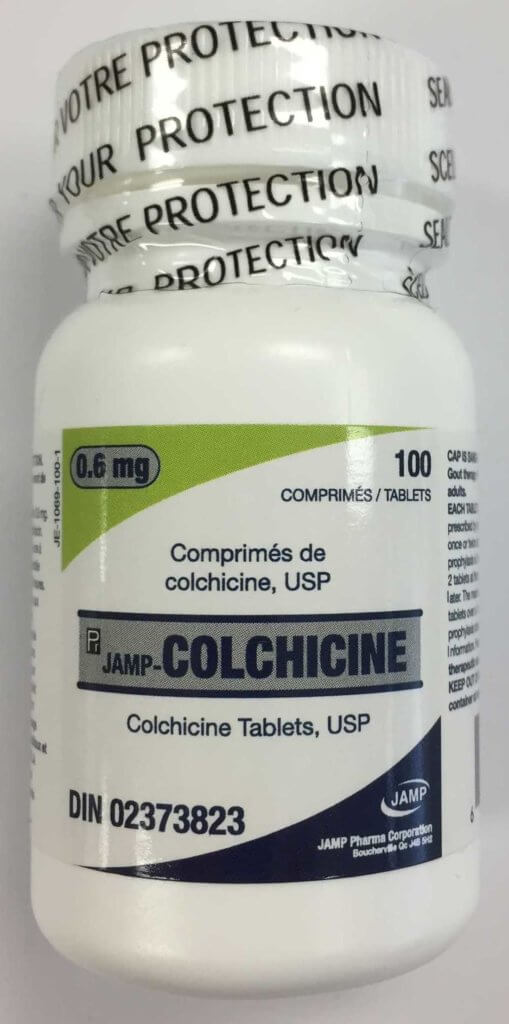
Colchicine 0.6mg 100 tablets from Canada

*Product image for reference use only

Find Affordable Colchicine Medication From PricePro Pharmacy

Gout attacks can come on suddenly and be incredibly painful. Colchicine is often prescribed by healthcare professionals to help patients manage their uncomfortable symptoms. Learn more about the medication and ways to reduce your costs with PricePro Pharmacy.

Get Started

How to Save Money on Your Colchicine Prescription

Colchicine isn't a pain reliever and isn't used to treat the pain caused by gout. It works by reducing the body's processes that cause swelling and other gout symptoms. It can also work to treat familial Mediterranean fever (FMF).

Many patients get discouraged from filling their Colchicine prescriptions due to the cost. The medication can put a strain on many people's wallets. PricePro Pharmacy works with our patients to keep what you spend low so you don't have to worry about whether or not to get your medication.

Generic Colchicine

Colchicine is the generic form of Colcrys, the brand name of the drug. You're already saving money by choosing to purchase Colchicine over Colcrys. Even though Colchicine is a generic drug, it's no different than the brand-name version.

We Keep the Price for Colchicine Low

Many of our customers, especially those from the United States, often wonder how we're able to keep our prices so affordable. Our business is based in Canada, which means drug prices are regulated by the federal government. If the government deems a product too expensive, a pharmacy isn't able to sell it.

We're proud to pass the savings our Canadian customers experience due to universal healthcare onto others around the world. You don't need Canadian citizenship or insurance to take advantage of our low-cost medications.

How to Take Colchicine

Colchicine comes in tablet, liquid, or capsule forms. Patients take the medication orally and don't need to take it with food. Most patients take it once or twice a day to treat FMF or manage their gout symptoms.

People typically take the first dose of Colchicine at the first sign of an oncoming gout attack. They follow up the initial dose with a second, smaller one 60 minutes later.

Keep in mind your doctor might start you on a lower dosage if you're just beginning to take Colchicine. They could gradually increase your dosage depending on how you respond to the medication. Your dosage might decrease if you encounter any side effects.

Side Effects

Some side effects you may experience include vomiting, nausea, or stomach cramps. More severe reactions could include unusual bleeding, muscle weakness, or pain. Please let your doctor know immediately if you experience anything unusual.

Interactions

Colchicine does interact with other medications, making your body's medication levels get too high. These medications can include statins for high cholesterol and calcium channel blockers (CCB). Make sure you talk to your healthcare provider about other medications you're taking to ensure Colchicine is the right fit for you.

Take Advantage of Your Colchicine Discount With Us Today

We designed PricePro Pharmacy to make ordering and receiving your prescription easy and stress-free. Our staff is available to provide you with more Colchicine information and process your order. Get started with us today.

prescription drugs

Which Colchicine dosages are available?

The following options are currently available to order:

  • Colchicine 0.5mg
  • Colchicine 0.6mg

You can order in the following quantities of tablets present in each bottle:

60 or 120 tablets of Colchicine 0.5mg OR 100 or 200 tablets of Colchicine 0.6mg

The generic Colchicine 0.6mg from Canada is manufactured by Jamp Pharma.

save money on prescription drugs

What is the Colchicine Price from Canada?

At PricePro Pharmacy, we help lower your Colchicine cost, for example:

  • $55.00 for 100 tablets, unit price of $0.55 per tablet.

In the United States, the average cash price of Colchicine 0.6mg is:

  • $429.04 for 100 tablets, unit price of $4.29 per tablet.

Ordering Canadian pharmacy Colchicine can save you up to 87% on your prescription compared to your local US pharmacy.  What’s more interesting is that you don’t need any Colchicine coupon or insurance coverage to the advantage of this price.

When you place an order for a 3-month supply you often can further lower the prescription cost.

Canadian Pharmacy Coupon

Is a Colchicine coupon available?

Currently we do not have a Colchicine coupon code for additional discounts. However, we love helping our patients save money so for those placing their first order there are special offers available.

New customer coupon codes can be applied at checkout as follows:

  • PRICE10 - Save $10 on your first order (minimum $50 order value)
  • PRICE20 - Save $20 on your first order (minimum $100 order value)

Please note that these coupon codes are one-time use only for new customers and cannot be combined with other coupons/offers. Be sure to keep an eye on our Rx coupons page for a generic Colcrys coupon in the future.

Generic Drug Bottle

Is there a Colcrys generic available?

Yes, there is a generic for Colcrys available known as Colchicine.

Generic drugs are usually more cost-effective solutions for ways to save on your prescription. Generic colchicine for gout is available from Canada at low prices.

prescription delivery

What are the shipping times?

The estimated delivery times for your order will vary based on the product selected.

  • Colchicine 0.6mg - Product of Canada – 7 to 10 business days

The standard shipping fee is $9.95 for all orders. Orders shipped from Canada can be tracked for $15.00 and sent express for $25.00.

An email notification will be sent with the tracking details once the product has been dispensed from the licensed Canadian pharmacy.

online prescription refill

How to refill your prescription?

Log in to your online pharmacy account and view your previous order history. If you have an active prescription on file, you can place a re-order anytime.

With our refill reminder service, you will be notified by phone or email as to the preferred time to place a refill based on shipping times. Let us take the worry away from managing your medication.

Colcrys (Colchicine) Information

Colchicine tablet is a generic form of medicine, often known by its brand name Colcrys. It is an anti-gout medication, prescribed to relieve the symptoms of pain and swelling in patients with gout or familial Mediterranean fever (FMF).

Uses

Chemically, Colchicine is a plant alkaloid derived from the plant colchicum autumnale (meadow saffron) and was first approved by the US FDA in 1961 for the management and prophylaxis of gout, a condition characterized by painful inflammation in joints due to the deposition of uric acid hard crystals.

Colchicine essentially doesn’t completely heal gout and prevent the advancement of acute gout to chronic gouty arthritis. This medication, however, helps in preventing the occurrence of future gout attacks (flare-ups).

Usually, gout arises suddenly with pain and swelling observed in one or more joints of the body, particularly the knee, big toe, or ankle joints. Gout occurs due to a sudden rise in uric acid in the body, leading to its deposition and build up as hard crystals in the joints. This event is accompanied by sensations of lingering pain, inflammation, and swelling. Colchicine tablets, while not able to control the crystallization of uric acid, it can provide symptomatic relief by reducing swelling and inflammation at the site of deposition.

Colchicine also finds application in the management of a familial inflammatory disease, known as Familial Mediterranean fever (FAF). This condition is inherited and shows symptoms like pain in the chest, abdomen, or joints. Colchicine, in this condition too, provides relief to the pain by blocking the formation of certain proteins called amyloid A, whose build-up is the primary cause of pain in patients with FAF.

Dosage

Colchicine tablets should be administered whole, swallowed with a glass of water, with or without food.

For the treatment of acute gout flare-ups in adults, treatment guidelines suggest intaking 1.2mg (two 0.6mg tablets) at the first sign of flare, followed by a dose of 0.6mg after 1 hour. Dose within 1 hour should not exceed 1.8mg.

For prophylaxis/prevention of future incidence of gout flares in adults, the typical dosage regimen is 0.6mg once (24 hours) or twice a day (12 hours interval). On no counts should the dose be increased from 1.2mg per day.

If taken for pain relief of sudden pain flare-up, wait at least 12 hours before starting the prophylaxis regimen.

This medicine has not been studied in children for treating or preventing gout flares.

When used to treat FAF, 1.2 - 2.4 mg/day is the adult dose, to be taken orally taken as one or two divided doses. When used for children in the range of ages 6–11 years, the usual dosage is 0.9 - 1.8 mg/day, taken in a single dose per day. And for 4–5 years aged children, 0.3–1.8 mg, taken once per day is the preferred dosage routine. This medicine should not be used in children under the age of 3.

If you missed a dose, skip the missed dose if it is almost time for your next scheduled dose. Do not take extra medicine to make up the missed dose.

In case of overdose, immediately seek emergency medical attention, because an overdose of Colchicine can be fatal.

Side Effects

Some side-effects associated with Colchicine are:

  • Nausea
  • Diarrhea
  • Vomiting
  • Stomach pain
  • Numbness in fingers or toes
  • Fever, sore throat, chills, body aches, or other flu-like symptoms
  • A pale complexion is seen by the graying of skin, lips, palms, or tongue
  • Unusual and easy bruising and bleeding
  • A general feeling of weakness and tiredness

Precautions

  • Inform your healthcare providers of any history of allergies or allergy to Colchicine itself.
  • Inform your physician, nurse, and the pharmacist of your medication history and if you are taking any kinds of prescription and nonprescription medications, nutritional products, vitamins, and herbal supplements you are taking, or have previously taken within the past 14 days, or plan on taking in the future.
  • Mention any history of taking, have taken or planning to take any kinds of the following medications:
  • Antibiotics like Erythromycin, Telithromycin, Clarithromycin, or Azithromycin
  • Antifungals like Posaconazole, Ketoconazole, Itraconazole, or Fluconazole
  • Cholesterol-lowering medications like simvastatin, pravastatin, lovastatin, atorvastatin, or Fluvastatin.
  • Medications like Diltiazem, Digoxin, Cyclosporine, Ranolazine, or Verapamil.
  • Fibrates such as Gemfibrozil, Fenofibrate, or Bezafibrate.
  • HIV/AIDS medications such as Indinavir, Atazanavir, Amprenavir, Nelfinavir, Fosamprenavir, Saquinavir, or Ritonavir.

Some of these medications may interact with Colchicine, therefore it is necessary to inform your healthcare providers of your medication history.

  • Mention and describe any history of liver or kidney disease you might have had because, in the presence of such conditions, the dosage of Colchicine needs to be adjusted accordingly.
  • Inform your doctor of any pre-existing conditions like stomach ulcers, heart disease ulcerative colitis, blood disorders, gastrointestinal disorders, intestinal bleeding, or Crohn's disease.
  • Inform about your pregnancy status, if you are pregnant, was pregnant, or plan on becoming pregnant while taking Colchicine.
  • Limit alcohol and avoid foods that may make gout worse like bacon, anchovies, sardines, beer, liver/kidney organ meats.

Storage

Keep this drug securely locked, and out of the reach of children, in the bottle, it came in. Store it away from excess heat and moisture at room temperature. Do not flush or dump medicines down the toilet or into a drain.

Always lock safety caps and promptly put the drug in a safe place to protect small children from poisoning, one that is up and away and out of sight and reach.

Discard this product properly when it has expired or is no longer required.

Colchicine Frequently Asked Questions (FAQs)

  1. How do I know if I’ve overdosed on Colchicine?

Signs and symptoms of possible Colchicine overdose include diarrhea, nausea, stomach, pain, vomiting, sore throat, fever, chills, and other signs of infection paleness, or grayness of pallor, slowed breathing, and slowed or erratic heartbeat.

Go to the nearest hospital emergency room immediately in the event of overdose, as it can be fatal.

  1. Is there any food or drink to avoid while taking Colchicine?

Avoid grapefruit, grapefruit juice, or grapefruit-flavored food items while taking Colchicine.

  1. Does colchicine function like other pain relievers in the same way?

No. Colchicine is a very unique form of pain reliever and may not alleviate other forms of pain. Use as directed.

Related Drugs

Colazal (Balsalazide)

Author , posted on June 30, 2017

Category:


Colazide

Balsalazide Disodium

Select Quantity:

Colazide

Balsalazide Disodium

Select Quantity:

Colazal (Balsalazide)

COLAZAL is used to treat mild to moderate active ulcerative colitis in adults and children who are at least 5 years old.

Proper Use of this medication

Follow all directions on your prescription label. Do not take this medicine in larger or smaller amounts or for longer than recommended.

COLAZAL can be taken with or without food.

To make swallowing easier, you may open the COLAZAL capsule and sprinkle the medicine into a spoonful of applesauce. Swallow right away. Do not save the mixture for later use. The yellow-orange medicine from the capsule may stain your teeth or tongue when you use this method.

Call your doctor if your symptoms do not improve, or if they get worse while using COLAZAL.

COLAZAL is usually taken only for a short time (8 to 12 weeks). Follow your doctor's dosing instructions very carefully.

Store at room temperature away from moisture and heat.Follow all directions on your prescription label. Do not take this medicine in larger or smaller amounts or for longer than recommended.

COLAZAL can be taken with or without food.

To make swallowing easier, you may open the COLAZAL capsule and sprinkle the medicine into a spoonful of applesauce. Swallow right away. Do not save the mixture for later use. The yellow-orange medicine from the capsule may stain your teeth or tongue when you use this method.

Call your doctor if your symptoms do not improve, or if they get worse while using COLAZAL.

COLAZAL is usually taken only for a short time (8 to 12 weeks). Follow your doctor's dosing instructions very carefully.

Store at room temperature away from moisture and heat.

Side Effects

Get emergency medical help if you have any of these signs of an allergic reaction: hives; difficult breathing; swelling of your face, lips, tongue, or throat.

Call your doctor at once if you have:

•worsening colitis symptoms--fever, stomach pain, cramps, or bloody diarrhea;

•kidney problems--little or no urinating, swelling, rapid weight gain;

•liver problems--upper stomach pain, loss of appetite, dark urine, clay-colored stools, jaundice (yellowing of the skin or eyes);

•pain or burning when you urinate; or

•anemia (low red blood cells)--pale skin, feeling light-headed or short of breath, rapid heart rate, trouble concentrating.

Common side effects may include:

•headache;

•mild or occasional nausea, vomiting, stomach pain, diarrhea;

•joint pain; or

•cold symptoms such as stuffy nose, sneezing, sore throat.

Warnings and Precautions

You should not use this medicine if you are allergic to COLAZAL or mesalamine, or to aspirin or other salicylates (such as Nuprin Backache Caplet, Kaopectate, KneeRelief, Pamprin Cramp Formula, Pepto-Bismol, Tricosal, Trilisate, and others).

To make sure COLAZAL is safe for you, tell your doctor if you have:

•kidney disease;

•liver disease;

•a stomach condition called pyloric stenosis.

COLAZAL tablets contain sodium. Talk to your doctor before using this form of COLAZAL if you are on a low salt diet.

FDA pregnancy category B. COLAZAL is not expected to harm an unborn baby. Tell your doctor if you are pregnant or plan to become pregnant during treatment.

It is not known whether COLAZAL passes into breast milk or if it could harm a nursing baby. Tell your doctor if you are breast-feeding a baby.

COLAZAL capsules should not be given to a child younger than 5 years old. COLAZAL tablets should not be given to anyone under 18 years old.

Interactions with this medication

Follow your doctor's instructions about any restrictions on food, beverages, or activity.

Other drugs may interact with COLAZAL, including prescription and over-the-counter medicines, vitamins, and herbal products. Tell each of your health care providers about all medicines you use now and any medicine you start or stop using.

Other related products

Cogentin (Benztropine)

Author , posted on June 30, 2017

Category:


Benztropine (Generic)

Benztropine Mesylate

Select Quantity:

Cogentin (Benztropine) Dosage and Side Effects

COGENTINE is used to treat the symptoms of Parkinson's disease.  It's also used to control severe reactions to certain medications that are used to treat nervous, mental, and emotional disorders.

Proper Use of this medication

Doses will vary depending on the patient. The following is a typical dosing schedule:

For oral dosage form (tablets):

For Idiopathic Parkinsonism:

Adults: Start with 0.5-1 milligrams (mg) at bedtime. Your doctor may increase your dose as needed. The dose is usually not more than 6 mg.

Children age 3 years and older: Dosing schedule will be determined by your doctor.

Children under age 3: Use is not recommended.

For Parkinson-like symptoms caused by other medicines:

Adults: Start with 1-4 mg, once or twice a day. Your doctor may increase your dose as needed.

Children age 3 and older: Dosing schedule will be determined by your doctor.

Children under age 3: Use is not recommended.

For Postencephalitic Parkinsonism:

Adults: Start with 0.5-2 mg at bedtime. Your doctor may increase your dose as needed. The dose is usually not more than 6 mg.

Children age 3 and older: Dosing schedule will be determined by your doctor.

Children under age 3: Use is not recommended.

Side Effects

Common Side Effects of COGENTINE

•Drowsiness

•Dry mouth

•Difficulty urinating

•Constipation

You should tell your doctor if any of these symptoms become severe or do not subside.

Serious Side Effects of COGENTINE

Call your doctor immediately if you experience any of the following symptoms:

•Skin rash

•Fast, irregular, or pounding heartbeat

•Fever

•Confusion

•Hallucinations or delusions

•Depression

•Eye pain

Warnings and Precautions

This medication may make you drowsy. You should exercise caution while driving or operating machinery until you know how COGENTINE will affect you.

COGENTINE may cause an upset stomach, so you should take it with food or milk.

Before taking this drug, you should tell your doctor if you have ever had the following conditions:

•Kidney or liver disease

•Glaucoma

•Heart or blood pressure issues

•Myasthenia gravis

•Problems with your prostate, urinary system, or stomach

•Bleeding problems

•Esophageal achalasia

•Intestinal or urinary blockage

•Ulcerative colitis

You should tell your physician if you are taking COGENTINE before having any type of surgery, including dental surgery.

Tell your doctor if you are pregnant, plan to become pregnant or are breastfeeding while taking COGENTINE.

This medicine is not recommended for use in children younger than 3 years of age.

COGENTINE may cause weakness or the inability to move particular muscle groups, especially in large doses.

Mental confusion and excitement may also occur in large doses. Visual hallucinations have been occasionally reported.

This medicine should be administered with caution during hot weather as it may cause anhidrosis, which is the inability to sweat normally. This can lead to heat exhaustion.

Interactions with this medication

You should tell your doctor about all prescription, non-prescription, illegal, recreational, herbal, nutritional, or dietary drugs you are taking, especially:

•Potassium

•Morphine

•Morphine Sulfate Liposome (DepoDur)

•Oxymorphone (Opana)

•Umeclidinium

•Betel Nut

•Chlorpromazine (Thorazine)

•Haloperidol (Haldol)

•Amantadine (Symadine)

•Digoxin (Lanoxin)

•Levodopa (Sinemet)

•Pramlintide (Symlin)

•Tranquilizers

You should also refrain from taking diarrhea medicines or antacids containing aluminum or magnesium within two hours of COGENTINE.

COGENTINE and Alcohol

Alcohol can enhance the effects of drowsiness while taking COGENTINE. You should limit your intake of alcoholic beverages.

COGENTINE and Other Interactions

You should also avoid unnecessary or prolonged exposure to hot weather or other situations of excessive heat such as exercise, as COGENTINE may keep you from sweating enough.

Other related products

Clopixol (Zuclopenthixol)

Author , posted on June 30, 2017

Category:


Clopixol

Zuclopenthixol (Zuclopenthixol Dihydrochloride)

Select Quantity:

Clopixol

Zuclopenthixol (Zuclopenthixol Dihydrochloride)

Select Quantity:
Select Quantity:

Clopixol Depot

Zuclopenthixol Decanoate

Select Quantity:

Clopixol (Zuclopenthixol) Dosage and Side Effects

Clopixol is a prescription medicine that belongs to a family of medicines used to treat schizophrenia.

You may be given Clopixol in the form of tablets or by injection. Depending on the circumstances, your doctor will decide which form of Clopixol is right for you.

Clopixol belongs to a group of medicines known as antipsychotics (also called neuroleptics). These medicines act on nerve pathways in specific areas of the brain and help to correct certain chemical imbalances that are causing the symptoms of your illness.

Proper Use of this medication

Usual dose:

Clopixol Tablets: It is very important that you take Clopixol exactly as your doctor instructs you. Never increase or decrease the amount of Clopixol you are taking unless your doctor tells you to. Clopixol may be taken with or without food.

Discontinued dose:

Abrupt discontinuation of Clopixol Tablets may be accompanied by withdrawal symptoms. The most common symptoms are nausea, vomiting, anorexia, diarrhoea, rhinorrhoea, sweating, myalgias, paraesthesias, insomnia, restlessness, anxiety, and agitation. You may also experience vertigo, alternate feelings of warmth and coldness, and tremor. Symptoms generally begin within 1 to 4 days of withdrawal and decreases within 7 to 14 days.

Clopixol Injection: If you are prescribed Clopixol by intramuscular injection, it will be given by a doctor or nurse. It is very important to keep your scheduled appointments for the injections.

Overdose:

Contact your doctor or nearest hospital emergency department as soon as you realize you have taken too much Clopixol, even if you do not feel sick. Symptoms of overdose may include:

  • somnolence

  • coma

  • unusual movements

  • convulsions

  • shock

  • high or low body temperature

Changes in the heartbeat including irregular heartbeat or slow heart rate has been seen when Clopixol has been given in overdose together with medicines known to affect the heart.

Missed dose:

Clopixol Tablets: If you miss a dose, take it as soon as you remember, as long as it is more than 6 hours before the next dose is due. If it is less than 6 hours before the next dose is due, just take your next regularly scheduled dose and try not to miss any more. Do not try to make up for a missed dose by doubling up on the next dose.

Clopixol Injection: If you miss an appointment, contact your doctor as soon as possible in order to schedule a new appointment.

Side Effects

At the beginning of treatment, Clopixol may make you feel drowsy and dizzy so you should not drive a car or use any tools or machines until you are sure Clopixol does not affect your mental alertness.

Side-effects that have been reported by patients taking Clopixol include: muscle spasm, stiffness, shaking or uncontrolled body movements. These can happen in different parts of the body, such as the tongue, face, mouth, jaw, eyes, hands, arms and legs. Contact your doctor if this happens to you.

Other possible side-effects include dry mouth, dizziness, blurred or altered vision (difficulty reading small print), constipation, excessive salivation or sweating, trouble passing urine. Decreases in blood pressure, increases in heart rate, weight changes, skin rash, decreased sexual interest or function, and changes in your monthly cycle (if you are female).

In addition, blood clots in the veins especially in the legs (symptoms include swelling, pain and redness in the leg), which may travel through blood vessels to the lungs causing chest pain and difficulty in breathing. If you notice any of these symptoms seek medical advice immediately.

Your doctor should check your body weight before starting Clopixol and continue to monitor it for as long as you are being treated.

Your doctor should take blood tests before starting Clopixol. They will monitor blood sugar, and the number of infection fighting white blood cells. Your doctor should continue to monitor your blood for as long as you are being treated.

If you have high levels of prolactin (measured with a blood test) and a condition called hypogonadism you may be at increased risk of breaking a bone due to osteoporosis. This occurs in both men and women.

Tell your doctor or pharmacist if you think you have any of these or other effects while taking Clopixol.

Any fever (increased temperature) or soreness of the mouth, gums, or throat that happens while you are taking Clopixol should be reported to your doctor immediately.

Warnings and Precautions

BEFORE you use Clopixol talk to your doctor or pharmacist if:

  • you have used Clopixol or any other treatment for schizophrenia before and if you had any problems

  • you are taking any other prescription or non-prescription medicines

  • you are pregnant or thinking of becoming pregnant, or if you are breast-feeding

  • you regularly drink a lot of alcohol

  • you have any liver problems, Parkinson's disease or have ever had seizures

  • you have dementia

  • you have glaucoma

  • you have any kidney problems

  • you have risk factors for stroke (e.g. smoking, high blood pressure)

  • you have hypokalemia or hypomagnesia (too little potassium or magnesium in your blood)

  • you have a history of cardiovascular disorders

  • you or someone in your family has a history of blood clots

  • you are being treated for cancer (applies to Clopixol Depot only)

  • you use any other antipsychotic medicine

  • you are allergic to any of its ingredients (see About This Medication, What the medicinal ingredient is:, What the nonmedicinal ingredients are:)

It is important that you tell your doctor about all your past and present medical conditions.

Effects on Newborns:

In some cases, babies born to a mother taking Clopixol during pregnancy have experienced symptoms that are severe and require the newborn to be hospitalized. Sometimes, the symptoms may resolve on their own. Be prepared to seek immediate emergency medical attention for your newborn if they have difficulty breathing, are overly sleepy, have muscle stiffness, or floppy muscles (like a rag doll), are shaking, or are having difficulty feeding.

Effects on Fertility:

Animal studies have shown that Clopixol affects fertility. Please ask your doctor for advice.

Interactions with this medication

Drugs that may interact with Clopixol include:

  • tricyclic antidepressant medicines

  • guanethidine and similar medicines (used to lower the blood pressure)

  • barbiturates and similar medicines

  • levodopa and similar medicines (used to treat Parkinson's disease)

  • metoclopramide (used in the treatment of gastro-intestinal disorders)

  • other antipsychotic medicines (e.g. thioridazine)

  • medicines that change the heartbeat (e.g. quinidine, amiodarone, sotalol, erythromycine, moxifloxacin, lithium)

Clopixol may increase the sedative effects of alcohol making you drowsier. It is recommended not to drink alcohol during treatment with Clopixol.

Consult your doctor before taking other medications, including over-the-counter medicines and herbal remedies. Some drugs can produce additional side-effects when they are used in combination with Clopixol.

Other related products

Clomiphene (Clomiphene)

Author , posted on June 30, 2017

Category:


Clomiphene (Generic)

Clomiphene Citrate

Select Quantity:
Select Quantity:
Select Quantity:

Clomiphene Dosage and Side Effects

CLOMIPHENE is an ovulation stimulant used for some types of infertility, in women who desire pregnancy but who are not ovulating properly.

Proper Use of this medication

Always take CLOMIPHENE exactly as your doctor has told you. You should check with your doctor.

Taking this medication:

  • Take this medication by mouth

  • Swallow the tablets whole with a drink of water

  • Do not take more than two tablets in one day

  • Do not take the tablets for more than five days at a time

  • If you feel the medication is not working, do not change the dose yourself, but ask your doctor

Usual dose (for adult women only):

Treatment should begin with a low dose, 50 mg daily (1 tablet) for 5 days; dose changes will be made by your doctor. The first dose should be taken on the 5th day of your ovulatory cycle and the subsequent doses at about the same time of day for a total of 5 days. The tablet should be swallowed with a glass of water.

Missed dose:

If you forget a dose, talk to your doctor as you may need to change your treatment cycle. Do not take a double dose to make up for a forgotten tablet.

Side Effects

Like all medications, CLOMIPHENE can cause side effects, although not everybody gets them.

The more common side effects include hot flashes, abdominal-pelvic discomfort (distention, bloating, pain, or soreness), ovarian enlargement, and visual blurring. The symptoms resembling menopausal “hot flashes” are not usually severe and disappear promptly after treatment is discontinued. Abdominal symptoms may be most often related to ovulatory or premenstrual phenomena, or to swollen ovaries.

Other less frequently reported symptoms during CLOMIPHENE (clomiphene citrate) therapy have included nausea or vomiting, appetite increase, constipation, diarrhea, increased nervous tension, depression, fatigue, dizziness or lightheadedness, insomnia, headache, breast soreness, abnormal uterine bleeding, heavier menses, intermenstrual spotting, vaginal dryness, urticaria or allergic dermatitis, vertigo, weight gain, and increased urinary frequency or volume. Moderate, reversible hair loss has been reported in a few patients, primarily on prolonged continuous therapy. Birth defects have been reported.

Tell your doctor or pharmacist if any of the following side effects get serious or lasts longer than a few days:

  • Increased pain with periods, heavy periods or bleeding between periods

  • Pain in the lower part of the stomach. This could be a sign of endometriosis or worsening of endometriosis, ovarian cancer or enlarged ovaries

  • Pain in the upper middle or upper left part of the abdomen. This could be a sign of hypertriglyceridemia (excess of fats in the blood)-induced pancreatitis (inflammation of the pancreas).

  • Cloudy lenses in the eye (cataracts)

  • Feeling tired or difficulty in sleeping (insomnia), depression or change in moods or behaviour

  • Skin rash or itching

  • Flushing of the skin

  • Swelling of the face, around the eyes, lips or tongue

  • Painful breasts

  • Heart palpitations (sensation of rapid, pounding, or irregular heartbeat)

There have been rare reports of ovarian cancer with fertility drugs. Some studies suggest that prolonged use of clomiphene may increase this risk. Therefore the recommended duration of treatment should not be exceeded.

Warnings and Precautions

BEFORE you use CLOMIPHENE talk to your doctor or pharmacist if:

  • You have “fibroids” in your womb

  • You have “polycystic” ovaries

  • Your ovaries are swollen

  • You have hypertriglyceridemia (an excess of fats in the blood) or a family history of hypertriglyceridemia

  • You are pregnant or plan to become pregnant

  • You are breastfeeding or plan to breastfeed

Your doctor should check for any other causes of fertility problems before starting treatment with CLOMIPHENE.

The chances of multiple pregnancies are higher when you use CLOMIPHENE. You should be aware of the potential complications of multiple pregnancies before taking CLOMIPHENE.

Do not drive or use any tools or machines if you have a blurry vision from treatment with CLOMIPHENE.

Interactions with this medication

Please tell your doctor or pharmacist if you are taking or have recently taken any other medications. This includes medications you buy without a prescription, including herbal medicines. This is because CLOMIPHENE can affect the way some other medicines work. Also some medicines can affect the way CLOMIPHENE works.

Other related products

Clinoril (Sulindac)

Author , posted on June 30, 2017

Category:


Sulindac (Generic)

Sulindac

Select Quantity:

Clinoril (Sulindac) Dosage and Side Effects

CLINORIL is used to treat pain or inflammation caused by arthritis, ankylosing spondylitis, tendinitis, bursitis, or gout.

Proper Use of this medication

Follow all directions on your prescription label. Your doctor may occasionally change your dose to make sure you get the best results. Do not take this medicine in larger amounts or for longer than recommended. Use the lowest dose that is effective in treating your condition.

Take sulindac with food.

If you use this medicine long-term, you may need frequent medical tests.

Store at room temperature away from moisture and heat. Keep the bottle tightly closed when not in use.

Read all patient information, medication guides, and instruction sheets provided to you. Ask your doctor or pharmacist if you have any questions.

Seek emergency medical attention or call the Poison Help line.

Take the missed dose as soon as you remember. Skip the missed dose if it is almost time for your next scheduled dose. Do not take extra medicine to make up the missed dose.

Side Effects

Get emergency medical help if you have signs of an allergic reaction: sneezing, runny or stuffy nose; wheezing or trouble breathing; hives; swelling of your face, lips, tongue, or throat.

Get emergency medical help if you have signs of a heart attack or stroke: chest pain spreading to your jaw or shoulder, sudden numbness or weakness on one side of the body, slurred speech, feeling short of breath.

Stop using CLINORIL and call your doctor at once if you have:

  • changes in your vision;
  • shortness of breath (even with mild exertion), swelling, rapid weight gain;
  • signs of stomach bleeding--bloody or tarry stools, coughing up blood or vomit that looks like coffee grounds;
  • liver problems--nausea, upper stomach pain, itching, tired feeling, flu-like symptoms, loss of appetite, dark urine, clay-colored stools, jaundice (yellowing of the skin or eyes);
  • pancreas problems--severe pain in your upper stomach spreading to your back, nausea and vomiting, fast heart rate;
  • kidney problems--little or no urinating, painful or difficult urination, swelling in your feet or ankles, feeling tired or short of breath;
  • low red blood cells (anemia)--pale skin, feeling light-headed or short of breath, rapid heart rate, trouble concentrating; or
  • severe skin reaction--fever, sore throat, swelling in your face or tongue, burning in your eyes, skin pain followed by a red or purple skin rash that spreads (especially in the face or upper body) and causes blistering and peeling.

Common side effects may include:

  • nausea, vomiting, stomach pain, indigestion, loss of appetite;
  • diarrhea, constipation, gas;
  • headache, dizziness, nervousness;
  • itching, rash; or
  • ringing in your ears.

This is not a complete list of side effects and others may occur. Call your doctor for medical advice about side effects.

Warnings and Precautions

CLINORIL can increase your risk of fatal heart attack or stroke, especially if you use it long term or take high doses, or if you have heart disease. Do not use this medicine just before or after heart bypass surgery (coronary artery bypass graft, or CABG).

CLINORIL may also cause stomach or intestinal bleeding, which can be fatal. These conditions can occur without warning while you are using CLINORIL, especially in older adults.

CLINORIL can increase your risk of fatal heart attack or stroke, especially if you use it long term or take high doses, or if you have heart disease. Even people without heart disease or risk factors could have a stroke or heart attack while taking this medicine.

Do not use this medicine just before or after heart bypass surgery (coronary artery bypass graft, or CABG).

CLINORIL may also cause stomach or intestinal bleeding, which can be fatal. These conditions can occur without warning while you are using CLINORIL, especially in older adults.

You should not use CLINORIL if you are allergic to it, or if you have ever had an asthma attack or severe allergic reaction after taking aspirin or an NSAID.

To make sure CLINORIL is safe for you, tell your doctor if you have:

  • heart disease, high blood pressure, high cholesterol, diabetes, or if you smoke;
  • a history of heart attack, stroke, or blood clot;
  • a history of stomach ulcers or bleeding;
  • kidney disease or a history of kidney stones;
  • liver disease;
  • a pancreas disorder;
  • asthma;
  • fluid retention; or
  • a connective tissue disease such as Marfan syndrome, Sjogren's syndrome, or lupus.

Taking CLINORIL during the last 3 months of pregnancy may harm the unborn baby. Tell your doctor if you are pregnant or plan to become pregnant while using CLINORIL.

It is not known whether CLINORIL passes into breast milk or if it could harm a nursing baby. You should not breast-feed while using this medicine.

CLINORIL is not approved for use by anyone younger than 18 years old.

Interactions with this medication

Avoid drinking alcohol. It may increase your risk of stomach bleeding.

Avoid taking aspirin or other NSAIDs while you are taking CLINORIL.

Ask a doctor or pharmacist before using any cold, allergy, or pain medication. Many medicines available over the counter contain aspirin or other medicines similar to CLINORIL. Taking certain products together can cause you to get too much of this type of medication. Check the label to see if a medicine contains aspirin, ibuprofen, ketoprofen, or naproxen.

Ask your doctor before using CLINORIL if you take an antidepressant such as citalopram, escitalopram, fluoxetine (Prozac), fluvoxamine, paroxetine, sertraline (Zoloft), trazodone, or vilazodone. Taking any of these medicines with an NSAID may cause you to bruise or bleed easily.

Tell your doctor about all your current medicines and any you start or stop using, especially:

  • cyclosporine;
  • lithium;
  • methotrexate;
  • a blood thinner (warfarin, Coumadin, Jantoven);
  • heart or blood pressure medication, including a diuretic or "water pill";
  • oral diabetes medication; or
  • steroid medicine (such as prednisone).

This list is not complete. Other drugs may interact with CLINORIL, including prescription and over-the-counter medicines, vitamins, and herbal products. Not all possible interactions are listed in this medication guide.

Other related products

Other related products

Clindoxyl Gel (Clindamycin/Benzoyl Peroxide)

Author , posted on June 30, 2017

Category:


Clindoxyl Gel

Benzoyl Peroxide, Clindamycin Phosphate

Select Quantity:

Clindoxyl Gel

Benzoyl Peroxide, Clindamycin Phosphate

Select Quantity:

Benzoyl Peroxide/Clindamycin Phosphate Gel (Generic)

Benzoyl Peroxide, Clindamycin Phosphate

Select Quantity:

Clindoxyl Gel (Clindamycin/Benzoyl Peroxide) Dosage and Side Effects

CLINDOXYL Gel and CLINDOXYL ADV Gel are prescription medicines used on the skin to treat moderate acne. CLINDOXYL Gel and CLINDOXYL ADV Gel should not be used to treat cystic acne (severe acne with lumps under the skin (cysts)).

Proper Use of this medication

CLINDOXYL Gel and CLINDOXYL ADV Gel should only be applied to your skin.

For use in adults and adolescents (aged 12 years and over).

  • CLINDOXYL Gel or CLINDOXYL ADV Gel should be used for the entire treatment period as instructed by your doctor even if your acne symptoms begin improving after a few days. Stopping your treatment too soon may result in the return of your acne condition.

  • Do not expect to see immediate improvement of your acne, be patient and apply your medication as your doctor has directed.

Instructions for applying CLINDOXYL Gel or CLINDOXYL ADV Gel:

  • Before you apply CLINDOXYL Gel or CLINDOXYL ADV Gel, wash the affected skin gently with a mild, non-irritating cleanser, rinse with warm water, and pat dry. Do not wash your face more than 2 to 3 times a day. Washing your face too often or scrubbing it may make your acne worse.

  • Gently apply CLINDOXYL Gel or CLINDOXYL ADV Gel to lightly cover the entire affected area of your skin (face) with a thin layer, once daily. A pea-sized amount should be applied for each area of the face (e.g., forehead, chin, each cheek).

  • Wash your hands with soap and water after applying CLINDOXYL Gel or CLINDOXYL ADV Gel.

Remember: CLINDOXYL Gel or CLINDOXYL ADV Gel has been prescribed by your doctor for you alone; do not allow other people to use it, even if they have the same condition that you have, as it may not be suitable for them.

If you do accidentally swallow CLINDOXYL Gel or CLINDOXYL ADV Gel seek medical advice. You may get symptoms similar to when you take antibiotics by mouth (an upset stomach).

Side Effects

During the first weeks of using CLINDOXYL Gel or CLINDOXYL ADV Gel, you may notice some skin irritation such as rash (including redness, raised bumps), dryness, itching, peeling, skin sensitivity or burning. These symptoms will normally subside if treatment is temporarily interrupted and restarted after your symptoms have settled.

  • Other side effects that have been reports include skin tingling sensation, discolouration at the application site, sensitivity to sunlight, worsening of acne.

  • If you experience symptoms such as severe diarrhea (bloody or watery) with or without fever, abdominal pain, or tenderness, you may have Clostridium difficile colitis (bowel inflammation). If this occurs, stop using CLINDOXYL Gel or CLINDOXYL ADV Gel and contact your healthcare professional immediately.

Warnings and Precautions

CLINDOXYL Gel and CLINDOXYL ADV Gel are for external use only.

Avoid contact with hair, fabrics, carpeting or other materials, as benzoyl peroxide may cause bleaching. Keep CLINDOXYL Gel and CLINDOXYL ADV Gel away from your eyes, inside the nose, mouth, lips, other sensitive areas, all mucous membranes and any irritated areas of the skin, such as cuts, scrapes, sunburns or broken skin. If contact occurs, flush with copious amounts of cool tap water for at least 5 minutes. If discomfort persists, consult your doctor.

Take care when applying this product to the neck and other sensitive areas, since skin irritation is more likely to occur.

Take care not to apply too much. Applying too much CLINDOXYL Gel/CLINDOXYL ADV Gel or applying it more frequently will not help your spots clear up more quickly, and may cause skin irritation. If this does happen, use the gel less often, or stop using it for a few days and then start again.

Limit your time in sunlight. Avoid using tanning beds or sunlamps. If you have to be in sunlight, wear a wide brimmed hat or other protective clothing. Apply a sunscreen every morning and re-apply during the day as needed.

If you have sunburn, allow the sunburn to settle before using CLINDOXYL Gel or CLINDOXYL ADV Gel.

Do not use any other acne medications, or other topical medications, unless your doctor instructs you to do so as this can increase the risk of skin irritation. If severe irritation develops, discontinue use and seek medical advice.

If you have recently taken or used other clindamycin or erythromycin-containing medicines, there is an increased chance that CLINDOXYL Gel or CLINDOXYL ADV Gel will not work as well as it should.

A bacterial infection that affects your hair follicles (folliculitis) has been reported with the long term use of clindamycin, an active ingredient in CLINDOXYL Gel and CLINDOXYL ADV Gel. If inflammation around your hair follicles develops, discontinue use and seek medical advice.

BEFORE you use CLINDOXYL Gel or CLINDOXYL ADV Gel, talk to your doctor or pharmacist if you:

  • Have any allergies.

  • Have any other medical conditions.

  • Are pregnant or planning to become pregnant. If you are pregnant, or think you could be, or if you are planning to become pregnant, do not take CLINDOXYL Gel or CLINDOXYL ADV Gel without checking with your doctor. Your doctor will consider the benefit to you and the risk to your baby of taking CLINDOXYL Gel or CLINDOXYL ADV Gel while you're pregnant.

  • Are breast-feeding or plan to breast-feed. It is not known whether the ingredients of CLINDOXYL Gel or CLINDOXYL ADV Gel can pass into breast milk. If you are breast-feeding, you must check with your doctor before you use CLINDOXYL Gel or CLINDOXYL ADV Gel. Do not use CLINDOXYL Gel or CLINDOXYL ADV Gel on your chest if you are breast-feeding to ensure that the baby does not accidentally get CLINDOXYL Gel or CLINDOXYL ADV Gel in their mouth.

During the first weeks of treatment, you may experience peeling and reddening. These symptoms will normally subside if treatment is temporarily interrupted and restarted after your symptoms have settled. Ask your doctor if there is a moisturizer you can use if this occurs. If you experience excessive peeling, redness, tenderness, drying, itching or irritation, consult your doctor for advice. Stop treatment and see your doctor if skin irritation becomes severe (severe redness, dryness, itching, stinging or burning).

Interactions with this medication

Know the medicines you take. Keep a list of them and tell your doctor/pharmacist about all the medicines and skin products you use.

Tell your doctor especially if you are taking or using any of the following medicine(s):

  • Neuromuscular blocking agents (medicines used as muscle relaxants when you are given an anaesthetic)—as CLINDOXYL Gel and CLINDOXYL ADV Gel have been shown to increase their activity.

  • Erythromycin—as it should not be used at the same time as CLINDOXYL Gel or CLINDOXYL ADV Gel.

  • Medicines that are applied to the skin which contain tretinoin, isotretinoin or tazarotene—if you are using any of these medications together with CLINDOXYL Gel or CLINDOXYL ADV Gel, they should be applied at different times of the day (e.g., one in the morning and the other in the evening). This is because CLINDOXYL Gel and CLINDOXYL ADV Gel can reduce the effectiveness of tretinoin, isotretinoin or tazarotene if used at the same time.

  • Other topical acne medication—as that can cause dryness, peeling or irritation of your skin. Use of these medicines at the same time as CLINDOXYL Gel or CLINDOXYL ADV Gel may cause additional irritation. If severe irritation or dermatitis develops, stop taking drug and seek medical advice.

  • Topical sulphonamides such as dapsone or sulfacetamide—as applying CLINDOXYL Gel or CLINDOXYL ADV Gel and followed by a topical sulphonamide may cause a temporary change in the colour (yellow/orange) of your skin and facial hair. CLINDOXYL Gel and CLINDOXYL ADV Gel should not be used with products that contain sulphonamides.

Other related products