

Healthy Living

7 Mental Relaxation Techniques That Will Change Your Routine

Author , posted on August 2, 2020

Category: Healthy Living


mental relaxation

If you struggle to sleep because of racing thoughts and an inability to relax, you’re far from alone. In fact, 30% of Canadians suffer from some form of sleep disorder!

Luckily, if this describes you, there are steps that you can take to de-stress and get some rest. Here, we’re going to give you some mental relaxation techniques that are sure to have you sleeping better in no time. Read on to help yourself become more healthy in both mind and body!

1. Stick to a Routine

Studies show that having a routine helps you to be more relaxed throughout the day. It also helps your body develop a rhythm where it knows that it’s time to sleep.

Make sure that you have a general routine that you stick to each day. Wake up and go to bed at a consistent time. This will train your brain that it’s time to sleep at certain hours.

You also should have a nighttime routine that you perform every night before bed. You’ll get used to falling asleep after the routine is over. Brush your teeth and take a warm shower. Get into bed, take your medication, and read a chapter of a book. You’ll be out before you know it.

2. Perform Deep Breathing Exercises

During the day when you’re feeling stressed, it can help to do deep breathing exercises. When you feel the anxiety start to creep up, take a little break from what you’re doing to be mindful of your breathing.

You can do deep breathing exercises no matter where you are. Get comfortable and breathe in through your nose until your stomach and chest fill with air. Exhale slowly. Repeat this until you’re feeling a bit calmer- it usually takes about 2-3 minutes.

You also can use one of the many breathing triangle gifs online and sync your breathing to its movement. These gifs are great for giving you visual input as well as a clear timeframe for inhaling and exhaling.

Deep breathing exercises increase mindfulness. They also increase the airflow to your brain and provide it with more oxygen. This ensures that your mind has space to relax and stop racing.

3. Mindfulness and Visualization

Speaking of mindfulness, it’s extremely important that you actively practice it.

Go sit in a place where you’re comfortable. Think about another location that feels calming to you. This can be a forest, a beach, a place from your childhood- really, anywhere that you feel at peace works.

Then, visualize that location vividly and take in as many sensory details as you can. For example, if you’re thinking of a Hawaiian beach, take in the smell of salt water, the sound of crashing waves, and the tactile feel of sand between your toes.

4. Enjoy a Massage

Professional massages can help to ease a lot of muscle tension, so you should book one if this is a possibility for you. However, if you can’t afford to go to a masseuse, there’s another option for you: a self-massage.

Here’s how it works:

  • Knead the muscles at the back of your neck and shoulders with a loose fist
  • Use your thumbs to maks small circles at the base of your skull
  • Massage your scalp slowly with your fingertips
  • Massage your face in tiny circles (with special attention to your jaw and temples)
  • Finish it all off with some breathing exercises

The whole process will take 3-5 minutes.

5. Take a Warm Bath

Taking a warm bath is the perfect way to relax your muscles, and relaxing your muscles is the perfect way to relax your mind. Let yourself sit in the tub soaking up the water and the heat radiating around you.

You may also want to get some natural bath oils for an amazing experience. This will give you more sensory input, both visually and scent-wise.

These bath oils make for an amazing aromatherapy method. They also work to keep your skin soft and your pores exfoliated. You can then be comfortable enough in your skin to focus on your mental health.

6. Yoga

Stretching exercises and yoga are great ways to be more mindful of yourself, both physically and spiritually. This means that you will practice moving your body and stretching out while stationary. Yoga also incorporates deep breathing, which expands your repertoire of exercises.

In addition to lowering stress and anxiety, you also will become stronger, more balanced, and more flexible. For the best possible yoga experience, take a class or hire an instructor. You want to make sure that you learn everything you need to know before practicing alone!

7. Take Your Medication

Though there are many natural remedies for stress and anxiety relief, they’re best done in conjunction with the use of medication. Talk to your doctor about getting a diagnosis for anxiety or a sleep disorder. Once that’s done, you can begin to discuss treatment plans.

Once you get a professional prescription, it’s easy to get your medication at discount prices. Canadian online pharmacies are easy to order from and completely safe to use. You’ll be feeling better in no time at all!

Beyond Mental Relaxation Techniques

Now that you know the best mental relaxation techniques to relieve stress and sleep better at night, it’s time to get started.

Contact us with any lingering questions that you have about staying healthy and getting affordable prescription meds that work for you. Our experts are happy to help you relieve your anxiety so that you can feel better ASAP.

Works Cited

https://www.cbc.ca/news/canada/british-columbia/insomnia-women-world-sleep-congress-1.5290738

https://www.nm.org/healthbeat/healthy-tips/health-benefits-of-having-a-routine

https://www.webmd.com/balance/stress-management/stress-relief-breathing-techniques

https://www.lush.ca/en/bath/bath-oils/

Order Canada Drugs & International Prescription Medication at Discount Prices

Contact Us

What Are the Benefits of Coffee?

Author , posted on July 29, 2020

Category: Healthy Living


what are the benefits of coffee

Do you need a cup of coffee in the morning? You’re not the only one. About 64% of Americans drink coffee every day.

Whether you’re a coffee aficionado or drink it to wake up, you might be wondering, “what are the benefits of coffee?” Depending on the type of coffee you consume, the benefits might vary. But what are the most common ones you’ll get?

Don’t hold that thought in.

With this guide, you’ll learn the definite advantages of drinking a warm cup of coffee. Read on and find out more.

1. Coffee Improves Energy Levels and Make You Smarter

Everyone already knows the stimulating effects of caffeine in coffee. But how does it work, exactly? The answer is that your bloodstream absorbs the caffeine and travels to your brain, where it blocks adenosine.

Once this happens, the levels of neurotransmitters like dopamine and norepinephrine increase. This results in improving your neurons’ performance. This means your brain functions improve, which include:

  • Memory
  • Vigilance
  • Reaction times
  • Overall mental function

With improved energy levels, you’re also lifting your mood. That means you’re also likely to feel better after drinking a cup of coffee.

2. Coffee Burns Fat

Did you know that about 25% of Canadian adults suffer from obesity? The good news is that almost every fat-burning supplement sold in the market contains caffeine. This isn’t surprising since it’s one of the few naturally-occurring substances that help burn fat.

Lots of studies prove that caffeine boosts your metabolic rate by up to 11%. For obese people, the rate of fat burning increases by a maximum of 10%. For lean people, this rate is almost tripled at 29% but can decrease if you drank coffee for a long time.

3. Coffee Improves Physical Performance

With coffee stimulating your nervous system, your fat cells will break down your body fat. This results in an increase of epinephrine levels in your bloodstream. This hormone prepares your body for impending intense physical activities, also known as your fight-or-flight hormone or adrenaline.

That’s why it’s common for caffeine to improve your physical performance. If you’re heading to the gym, have a strong cup of bean juice beforehand. The ideal time is half an hour before you leave.

4. Coffee Has Essential Nutrients

Finished brewed coffee often retains much of the nutrients found in coffee beans. Here are some things you’ll find in a single cup of brewed coffee:

  • 3% of the RDI Reference Daily Intake (RDI) manganese and potassium
  • 11% of the RDI vitamin B2
  • 6% of the RDI vitamin B5
  • 2% of the RDI magnesium and vitamin B3

At first glance, the number of nutrients found in coffee isn’t lifechanging. But take note, the majority of people who enjoy coffee drink several cups each day. These amounts will rapidly add up and improve health in the long run.

5. Lowers Type 2 Diabetes Risk

This is a major health issue affecting millions of people globally. Its symptoms include higher blood sugar levels because of insulin resistance. It also happens when your body’s ability to secrete insulin decreases.

But coffee drinkers have a much lower risk of developing type 2 diabetes. Several studies observed that the average coffee drinker will have a 23-50% lower risk of developing this illness. Some studies showed that the decrease can go as high as 67% instead.

Are you looking for the most common prescription drugs around? If so, read this list and learn ones you’ll most likely encounter.

6. Coffee Increases Your Resistance Against Alzheimer’s Disease and Dementia

Alzheimer’s disease is the leading cause of dementia across the world, making it the most common neurodegenerative illness around. In most cases, people over 65 get this condition without the hope of a cure. But you have lots of options to avoid getting the illness, like healthy eating and exercising.

Now, more studies are proving coffee to be effective too. If you drink coffee regularly, you have up to 65% lower risk of getting Alzheimer’s disease.

7. Coffee Can Lower Your Parkinson’s Disease Risk

Right behind Alzheimer’s, Parkinson’s disease is the second most common neurodegenerative disorder. The primary reason for this disease is the death of your brain’s neurons, specifically the ones that make dopamine. It has no known cure, meaning you must put in more effort to prevent it from happening.

If you’re a coffee drinker, you’re in luck. You’re likely to have a lower chance of getting Parkinson’s disease.

Are you enjoying decaf better? If so, you should reconsider since the primary reason for this reduction is caffeine. It means drinking decaffeinated coffee won’t lower your risk of getting this disorder in the future.

8. Coffee Can Protect Your Liver

The liver is a vital organ since it does hundreds of important bodily functions. But lots of diseases can plague it, including fatty liver disease and hepatitis. Most of these will lead to cirrhosis, meaning your liver will become mostly made from scar tissue.

An interesting discovery is that coffee can protect you from cirrhosis. If you drink four or more cups each day, you can get up to an 80% lower risk of developing this condition.

9. Coffee Fights Depression

This serious mental illness will significantly lower the quality of your life. It’s also common, meaning almost anyone can get it. That’s where coffee comes in since people who drink at least four cups a day will have a 20% lower chance of getting depressed.

10. Coffee Lowers the Risk of Certain Cancer Types

Recent studies found that coffee promises to lowering your risk of getting two types of cancer: colorectal and liver cancer. The former ranks fourth as the leading cause of cancer mortality worldwide while the latter ranks third.

But for coffee drinkers, you get a 40% and 15% lower risk of liver and colorectal cancer, respectively.

What Are the Benefits of Coffee: More Than One Would Think!

What are the benefits of coffee? We hope our list here provided all the answers you seek. Use this to motivate yourself and start drinking more.

Get the most out of your daily cup of Joe!

But why stop with coffee when there are so many more medical options out there? Do you need help with getting medicine in Canada? If so, contact us and we’ll help you out.

Works Cited:

https://finance.yahoo.com/news/10-countries-highest-coffee-consumption-045444069.html

https://www.canada.ca/content/dam/phac-aspc/migration/phac-aspc/hp-ps/hl-mvs/oic-oac/assets/pdf/oic-oac-eng.pdf

https://www.healthline.com/nutrition/coffee-increase-metabolism

https://www.webmd.com/diabetes/news/20120113/why-coffee-may-reduce-diabetes-risk#:~:text=Previous%20studies%20have%20found%20that,of%20Agricultural%20and%20Food%20Chemistry.

Internal links:

Top 10 Most Common Prescription Drugs

Contact Us

How to Get Better Sleep

Author , posted on July 24, 2020

Category: Healthy Living


how to get better sleep

Are you having trouble getting a good night's sleep? Do you want to know what's causing your poor sleep and how you can fix it?

Learning how to get better sleep is more than about staying comfortable. It’s crucial for maintaining your health too!

Well don't worry, we've compiled a few essential things you need to change and improve in your life to get the better sleep that you want.

Stick to Your Body's Natural Sleep Cycle

Taking control and fixing your sleep schedule is one of the best ways to get better sleep. If you stick with your natural sleep cycle, you'll be feeling more energized and refreshed. You'll need to set a proper sleep cycle and sleep at the same times every day.

Your body will start optimizing your internal clock if it recognizes that you sleep and wake up at the same time. It will improve the quality of your sleep if you sleep at times when you're most tired. If you've got the right amount of sleep, your body should wake up naturally as well.

As much as you can, try and avoid sleeping in, even on the weekends. If your sleep schedules during the weekdays are different from that of your weekends, it will disturb your natural sleep cycle.

If you need to catch up on lost sleep, napping is better than snoozing your alarm. Try and limit them to around 15 to 20 minutes, or you might start having trouble sleeping at night. If you get sleepy throughout the day, try and get yourself doing something active.

This is especially so after dinner if you start feeling drowsy or tired. If you sleep too early and give in, you'll find yourself waking up later in the night. Do your best to stay in sync with your body's natural sleep cycle.

Control Light Exposure Throughout the Day

Your circadian rhythm or your body clock is what helps regulate your sleep schedule. Getting exposure to natural and bright light during the day helps keep that circadian rhythm healthy. When you wake up, you'll want to get as much light as possible.

Whether it's opening up your curtains or staying outside for your morning coffee. Not only does the light tell your body that its time to wake up, but it also helps you feel more energized as well.

Try and extend this to your other activities during the day like taking breaks or exercising outside instead of indoors. If you do have to stay indoors, try and keep all your curtains and blinds open to let in light.

When it comes time to sleep, this is when you'll want to avoid bright lights. Try not to stick to screens 1-2 hours before you sleep, whether it's watching TV before bed or reading a backlit ebook on a bright tablet.

If you do use your device, use one with smaller screens like your phone and make sure it's on a low brightness level. When it's time for you to sleep, make sure that you're room is dark by closing the curtains or wearing a sleep mask. If you do need a bit of light, think about installing small night lights in the corner of your room.

Eat and Drink Right

Caffeine can stay in your body for up to 10 hours. Therefore, try and limit your caffeine intake, especially in the afternoons.

You'll also want to avoid eating big meals right before you sleep, especially anything spicy or acidic. If you're someone who enjoys midnight snacks, it's time to kick the habit. Getting up in the middle of the night to eat will not only mess with your sleep schedule but keep you awake when you go back to bed.

Some snack before bed can help others promote their sleep. If you're one of these people, just make sure that the snack you're eating isn't sugary or full of refined carbs. Stick to light foods like fruits or yogurt.

Make sure that if you're drinking a lot of drinks in the afternoon, that you take a regular bathroom break before bed. The last thing you'd want is to wake up at night because you need to go.

Evaluate Your Room

A key part of getting a good night's sleep is by improving your sleeping environment. Make sure you're sleeping on something comfortable, like a soft mattress and light bed covers. Experiment with the firmness of your pillows and find which one supports you best.

Your room should also be properly ventilated and at a cool temperature. Anything too cold or too hot will interfere with your sleep and might cause you to wake up randomly at night.

If you can, try and keep your surroundings quiet and free from any kind of outside noise. If you have noisy neighbors or live next to somewhere with a lot of traffic, you can try earplugs or masking the sound with a white noise machine.

Relax and Wind Down

Going to bed while you're full of stress won't make for a comfortable sleep. You'll want to get rid of any anger, stress, anxiety, or worry you have from your day before you go to sleep.

Find something that you find relaxing and include it in a bedtime routine. Start reading a good book, take a relaxing bath and skincare routine, or try listening to soft music.

Whatever it is, make sure it helps you clear your head and remove anything negative. Do what you can to unwind to ensure that you don't get poor sleep quality.

Check here if you want more tips on how to be mindful of your mental and emotional health.

Now You Know How to Get Better Sleep

There are a lot of factors that affect the quality of your sleep, not only before bedtime but during the day too.

We hope that reading this article gave you a better idea of how to get better sleep as well as what causes poor sleep. Make sure that you change your habits for the better and use this guide to help you.

Do you feel like you need medical assistance to get some sleep? If you do and you want to save money doing so, we’re here to help. Get in touch with us right here and let us help!

Causes of a Sensitive Stomach and Which Foods You Should Avoid

Author , posted on July 23, 2020

Category: Healthy Living


sensitive stomach

If you have a sensitive stomach, you know how embarrassing and awkward it can be sometimes.

Maybe you never want to go to family or friendly functions. You're worried to eat new foods when you're not in the comfort of your own home. You may always need to know where a restroom is, making going out or taking long trips inconvenient and stressful. 

You're not alone. Over 50 percent of American adults deal with some form of intestinal discomfort that they're choosing not to see a doctor for. But why live with the pain? A sensitive stomach can be managed and you may even be able to avoid certain symptoms altogether. 

Keep reading to learn how to determine triggers for your sensitive stomach and how to avoid them (if not heal your stomach altogether). 

What Causes a Sensitive Stomach?

Sensitive stomachs have many different causes that all require different types of treatment and symptom management. A sensitive stomach isn't a medical condition, it's a nonmedical description of a symptom: a stomach that's easily upset. 

Sensitive stomachs can present in several ways. Sometimes a sensitive stomach is just uncomfortable. There may be bloating, gas, or mild pain. There may be acid reflux

Other times, a sensitive stomach may result in vomiting or uncomfortable bowel issues. The first step to determining the cause of your sensitive stomach is determining how "extreme" it is.

Some people don't have an actual cause, their stomach is simply more sensitive than the average person's. They may even have a smaller stomach. For others, though, finding the cause is the first step towards healing. Here are a few common causes of stomach irritation.

Irritable Bowel Syndrome

Irritable bowel syndrome (or IBS) is a common cause for a chronically sensitive stomach. IBS is associated with chronic bowel pain, trapped gas, and changes in bowel movements.

Often, certain foods will trigger IBS, and finding those foods is a good way to prevent future flareups.

Chron's Disease

Chron's is a common inflammatory bowel disease that sometimes feels like a mild sensitive stomach at first. 

Aside from a general sour stomach, it can cause cramps, fatigue, a loss of appetite, and changes to the bowel movements. This requires a doctor's intervention for pain and symptom management. 

Celiac

Celiac is another condition that initially presents as a sour stomach. Celiac reacts to gluten, causing the intestines to become inflamed and painful.

Those with celiac will likely experience gas, pain, bloating, and diarrhea before seeking out a doctor.  

Food Sensitivities 

Sometimes a sour stomach can be brought on by foods that the body simply doesn't like. If it's a one-time event, it may be food poisoning. If it happens frequently, it's more likely to be a food sensitivity or intolerance. 

This is one circumstance in which you're best off omitting foods until you find the culprit. 

Managing a Sensitive Stomach

In the event that your sensitive stomach isn't from a disease that requires medical intervention, you still need to learn how to manage your symptoms. 

Not everything is going to work for every stomach, so see how you feel as you try each at-home management technique until you find one that works for you.

Elimination Diet

There are a few ways to go about finding the foods that you can eat easily on a sensitive stomach. The best one for most people is working through an elimination diet. 

An elimination diet will allow you to keep foods that you love while finding the foods that your body simply doesn't like. 

You can do a full elimination diet, which is getting rid of anything that could possibly be an irritant and reintroducing things one by one until you've found the culprit. 

You may also already have an idea of what the irritant is. Keep track of how you feel after certain foods and eliminate the ones that are triggering you. 

Many people have issues digesting dairy, certain meats, spicy foods, and fatty foods without serious intestinal discomfort. Start with these and see if eliminating them gets rid of your problem.

Eat Smaller Portions

It may benefit you to simply shrink your portions when you're eating. Even if you don't feel full, smaller portions can help your body adjust to food more easily. If you worry about not getting enough calories, it can be helpful to eat several small meals throughout the day.

American portion sizes are quite large, so this may be an uncomfortable change at first. 

Drink More Water

Water is helpful for almost every process that your body needs to carry out. When you don't drink enough, your digestion cannot work properly. 

Staying hydrated with clear liquids that aren't diuretics can allow your digestive system to do its job. It will also help you feel full more quickly so that you don't accidentally overstuff your stomach. 

Foods for a Sensitive Stomach

If you simply have a sensitive stomach without a known cause, switching to easily digested foods that are mild and easy on the stomach may provide some relief.

Low-fat dairy products will be good for those without dairy sensitivities. Otherwise, non-dairy or lactose-free alternatives can also be helpful. Vegetables and fruits that are cooked (not raw) can be easy on an upset stomach.

Starches, like rice and potatoes, can ease an irritated stomach, though they're not the healthiest choice. 

Lean or low-fat proteins (like fish, white meat, and tofu) can be great swaps for high-fat proteins that are irritating. 

Not every food will work for every person, but shifting your diet toward less irritating meals can provide relief.

You Don't Have to Live in Pain

Sensitive stomachs are irritating, but sensitivity and discomfort can be managed. If you've already tried at-home care for your chronic sensitive stomach, it may be time to seek out professional help.

Doctors can suggest medications or management techniques for more serious problems that could be causing your sensitivity. 

For more posts about health management, or to look into affordable prescriptions for your condition, visit our site

Works Cited

1. https://news.abbvie.com/news/new-survey-reveals-more-than-half-americans-are-living-with-gastrointestinal-symptoms-and-not-seeking-care-from-doctor.htm

2. https://www.pricepropharmacy.com/feel-better-soon-how-can-prescription-acid-reflux-medicine-help-you/

3. https://www.healthline.com/health/crohns-disease#symptoms

4. https://www.fammed.wisc.edu/files/webfm-uploads/documents/outreach/im/handout_elimination_diet_patient.pdf

5. https://www.pricepropharmacy.com/products/

8 Benefits of Exercise for Treating Diabetes

Author , posted on May 21, 2020

Category: Healthy Living


treating diabetes

If you suffer from diabetes or are prediabetic, you know how important it is to take care of yourself and your body.

Treating diabetes and managing your sugar levels is a constant companion to your life. For some people, their sugar levels drop or go soaring up for unexplained reasons. For others, managing diabetes means eating right, using diabetes medications, and regular monitoring of sugar levels.

You’d be hard-pressed to find a doctor who wouldn’t also encourage the use of a healthy diet and exercise as part of a diabetes care plan. In fact, managing your diet is almost a requirement for diabetes care.

While it’s common to hear about the benefits of exercise, they are especially profound for a person managing diabetes.

Read on to learn about the many benefits exercise offers patients with diabetes.

Diabetes in Your Body

For a person suffering from diabetes, life is about managing glucose or sugar levels. A diabetic’s body has glucose levels that are too high. This is because their body doesn’t produce or doesn’t produce enough insulin.

The pancreas produces the insulin hormone which in turn manages the glucose getting in your cells.

By using diet, you can manage how much sugar you intake. When a person exercises, their body naturally burns the glucose in the body. In essence, it takes some of the pressure off of the insulin to lower the sugar in the body.

1. Insulin Sensitivity

As a diabetic, your body doesn’t make enough insulin. In some people, the body doesn’t make any insulin. This is what makes them a diabetic. In turn, they must use produced insulin or medications that act like insulin to manage their sugar levels.

One benefit of exercise is that the insulin you have seems more sensitive to the glucose levels in your body. It, therefore, works better.

So, consistent exercise allows the insulin you do have to work smarter in managing glucose levels.

2. Lower Blood Sugar

When you exercise, your body will naturally use glucose as an energy source and burn it. When you exercise regularly, even if it’s daily walking, you are burning glucose naturally.

This helps to naturally keep your blood sugar lower and then often requires less insulin or other management medications.

Consistency with the exercise is key. Don’t imagine it to be hard-hitting exercise. There are many benefits to getting your body moving by walking, biking, yoga, or doing some stretching.

3. More Energy and Endurance

Whether you are diabetic or not, exercise naturally increases energy levels. Your body is used to moving and activity, you build up endurance.

For a diabetic, you feel more energized with regular exercise because your sugar levels are more consistent. So, you aren’t going through the big fluctuations in sugar levels.

Those can take a toll on your energy level and how you’re feeling. The exercise helps keep your energy level up.

4. Weight Loss and Muscle Tone

Often a person becomes diabetic when their weight gets out of control. If they lose muscle mass, are overweight, and not eating well, their body can’t handle the sugar levels.

A person with a diabetic diagnosis who suddenly starts eating very healthy and gets regular exercise, starts to lose weight. It also helps when their sugar levels are under control.

Again, back to exercise, participating in a strength training program for a diabetic can be huge. They naturally build muscle tone, they also burn sugar naturally.

By losing weight and gaining muscle, diabetics often find they can either lower their medications or get off them all together with weight and exercise management.

5. Sleep Better

Again, whether you are diabetic or not, with regular exercise, your body feels more tired and is more balanced. Both of these things help to get you a better night’s sleep.

Even in your sleep, your body is dealing with sugar levels. When you manage those more effectively with exercise, it leads to a more stable body and you can sleep better.

And let’s be honest, a good workout tires out your body and makes you want your rest.

6. Better Resistance

All the systems in the body are interconnected. When your body is battling things on one front, like with sugar, the rest of your body may be struggling.

The exercise you do as a diabetic makes you have a stronger body and healthier body. Your sugar levels fluctuate less.

Then your immune system is able to work more effectively too. These systems all work in unison to help keep your body safe and healthy.

It’s pretty simple to figure out that when you live a healthier life through diet and exercise, your body will stay healthier too.

7. Lower Anxiety

Ever met one of those people who runs daily. They say it makes them feel better. That if they don’t start out their day with a good run, they feel out of sync the whole day.

Exercise helps your body burn off anxiety and stressors that life delivers, diabetic or not.

Having to deal with diabetes day in and day out can be exhausting and cumbersome. While the exercise helps diabetes, it also helps with the anxiety and stressors that can come with it too.

8. Healthier Body

Exercise does other things for the body beyond managing glucose levels. It can help with cholesterol levels too.

A smart diet and exercise help blood pressure and heart rate. Exercise also helps to build stronger bones which can help to prevent developing osteoporosis.

When your sugar is managed, your whole body is able to live healthier, and exercise is key to all of these things.

Use Exercise for Treating Diabetes

Understanding how to manage diabetes is key to living a healthy life. Use exercise to help you manage your sugar levels and build a healthier body.

If you need medication for treating diabetes, we can help. Contact us today for information on the medications you need to manage your diabetes.

7 Safety Tips to Buying Medications Online for Beginners

Author , posted on May 20, 2020

Category: Healthy Living


buying medications online

Did you know that 74% of the online pharmacies in North America are not trustworthy?

Untrustworthy sources might sell you the wrong drugs, provide drugs that aren’t approved, or steal your private information. That’s why you need to know how to avoid illegitimate pharmacies if you’re buying medications online.

It’s not always easy to tell the difference between a real pharmacy and one that’s unsafe. But learning to recognize the difference is of utmost importance to your health and well-being.

There are 7 simple ways to stay safe when buying from online pharmacies. Keep reading to learn more.

1. Make Sure It’s Legal

The legality of buying medications online has to do with where you are, where the pharmacy is, and whether or not you need a prescription for what you’re purchasing.

It’s legal to purchase from online pharmacies in Canada, but only when that pharmacy is located within Canada and when you hold the proper prescription for prescription drugs.

You cannot purchase medications that are shipped from outside of Canada. It’s only legal for practitioners, drug manufacturers, wholesale druggists, and registered pharmacists to do so. That goes for medications shipped from the US and around the globe.

In the case that you’ve found a drug that can potentially treat a life-threatening or very serious condition, and that drug isn’t available or authorized in Canada, don’t try to order this drug yourself. For these situations, there is a Health Canada program called the Special Access Program (SAP). Through this program, your doctor can likely get access to these drugs on your behalf.

2. Have a Prescription

Having a prescription for the drugs that you need is more than just a part of legality.  Having a prescription is about your safety.

You should never take prescription medication without being prescribed those medications by your doctor. There are many risks involved in doing so including improper treatment, dangerous interactions with other medications, and adverse reactions that could be life-threatening.

If you’re buying medications online, get the prescription from the doctor who has diagnosed your condition.

3. Learn to Identify Illegitimate Pharmacies

As we mentioned, nearly 1/4 of online pharmacies are untrustworthy at best and dangerous at worst. These pharmacies may sell unapproved, outdated, counterfeit, or substandard medication that can be dangerous to those who take them. They’re also unlikely to follow the protocols required of approved pharmacies.

Some of the risks of buying medication online from fake pharmacies include:

  • Getting the wrong medication
  • Bad reactions to medications
  • Worsening of your condition or the condition remaining the same
  • No quality control standards for preparation and packaging
  • Incorrect information on the label
  • The medication not being sent after paying for it
  • Stolen personal or banking information

You can identify an illegitimate pharmacy if they’re willing to sell you prescription medications without getting a prescription from you. Websites that tell you to fill out a questionnaire in order to get a prescription are also illegitimate. The only form of prescription that’s acceptable is one from your doctor.

Illegitimate pharmacies are those that can ship their medication worldwide. You should only be able to access medication from a pharmacy shipping within Canada.

4. Learn to Identify Legitimate Pharmacies

There are a few ways to tell if a pharmacy is legitimate. A safe pharmacy will:

  • Require that you have a prescription from a licensed Canadian healthcare provider
  • Be licensed by a provincial or territorial regulatory authority in Canada (their address should line up with the province or territory through which they’re regulated)
  • Sell approved drugs
  • Provide a Canadian address

If the website has a Canadian street address, then you can check with the National Association of Pharmacy Regulatory Authorities (NAPRA) to see whether the pharmacy you’re buying from is legitimate. This Association is responsible for the licensing of pharmacies and pharmacists.

If there is no Canadian street address, another way to check their legitimacy is to see if the pharmacy is a member of the Pharmacy Verified Websites Program. This is an American program but it can be used by Canadians as well. They’ll tell you if the online pharmacy you’re working with is safe and legitimate.

5. Protect Your Privacy

Make sure that any place where you’re buying medication online gives you access to privacy and security settings. These should be very easy to find on the websites and shouldn’t take any digging to find.

As part of the privacy agreement, there should be a statement about your personal information. Legitimate online pharmacies will not sell your private information. That is unless you sign an agreement that says it’s okay for them to do so.

6. Don’t Trust Bargain Medication

The cost of buying medications online isn’t usually that far off from what you pay in the drugstore. Although there are ways to save money buying medication online, if the pharmacy offers bargains that are beyond belief, then don’t believe them.

That means if your $50 medication is going for $10, then you need to be careful about that pharmacy. To check what prices you should be paying, call a local pharmacy, and ask.

7. Check That There’s a Pharmacist

A legitimate online pharmacy will have a pharmacist that you can talk to. They might be available by phone, email, or online chat.

The importance of having a pharmacist around can’t be understated. These are the people responsible for filling medications and providing the correct doses. They’ll also notice if you’re ordering drugs that don’t interact well with each other, potentially saving you from adverse reactions.

Looking for the Convenience of Buying Medications Online?

Buying medications online is definitely convenient, but it’s not always safe. By keeping these 7 tips in mind when looking for an online pharmacy, you’re avoiding illegal practices, protecting your privacy, and ensuring your health and well-being.

If you’re thinking about ordering some or all of your prescriptions online, we’re an accredited online pharmacy. Have a look at the medication we offer to get started.

8 Best Foods to Eat for People with Erectile Dysfunction

Author , posted on May 14, 2020

Category: Healthy Living


foods to eat

Up to half of the men surveyed under thirty years old struggle with maintaining an erection. This can cause you to lack self-esteem and even damage your relationships with others.

That’s why it’s so important to do everything you can to deal with erectile dysfunction. Have you ever wondered if your penis problems could be caused by the foods you eat? You need to check out how you improve your diet to get hard.

Check out the foods to eat to boost your erection. Let’s take a look below!

1. Eat More Leafy Greens

When your parents told you to “eat your greens” they probably didn’t have this mind. Nonetheless, you can improve your ability to maintain an erection with a higher intake of green vegetables.

This includes veggies, such as spinach, broccoli, and celery. The nitrates contained in these types of greens helps to improve the circulation in your body.

Many erectile dysfunction medications are based on the same nitrates that naturally occur in green vegetables.

2. Switch to Dark Chocolate

Americans eat up to 18 percent of the world’s chocolate. That’s a lot of cocoa. However, you don’t need to eat so much sugary milk chocolate.

If you struggle with poor circulation this could be negatively affecting your erection as well. When you consume dark chocolate you can experience a boost to your circulation.

This is because of the flavonoids present in plants, such as the cocoa plant, help to lower your blood pressure and improve your circulation.

3. A Handful of Pistachios

Who doesn’t enjoy eating pistachio nuts?

You could find that when you regularly consume pistachio nuts, you also enjoy improvements to your libido.

One study looked at men who consumed pistachios every day for up to three weeks. It was discovered that they almost always experienced improved sexual desire.

There was even evidence that when they had sex, they experienced a higher level of satisfaction as well.

There is reason to think that many other nuts could also do the trick. So, if you prefer almonds or walnuts, then have a handful every day to prevent erectile dysfunction.

4. Your Morning Cup of Coffee

Coffee drinkers will be delighted to discover that your morning cup of Joe doesn’t only help wake your mind up.

It has been discovered by researchers at the University of Texas Health Science Center in Houston. They tested over 3,700 men who drank up to three cups of coffee per day.

It was found that this can prevent erectile dysfunction from taking hold. This isn’t for any complex reasons. Caffeine is known to enhance the blood flow around the body which helps you keep a strong erection for longer.

5. Breakfast Oatmeal

When you think about sexy food, this surely doesn’t make you think about oatmeal. However, oats could be the key to a healthier sexual desire.

Oats contain something called amino acid L-arginine. This has been found to boost your ability to reach orgasm and keep your penis hard.

This gives sowing your wild oats a whole new meaning.

6. The Zinc Inside Shellfish

You have probably heard before about how oysters are an aphrodisiac. If you want to boost your sexual desire, you should look no further than a plate of mussels.

Have you ever stopped to wonder why shellfish has gained this reputation? Well, the zinc contained in shellfish is important for the production of testosterone.

For many men (especially older males), this is the primary reason why men can’t perform sexually. If you need to top up your testosterone levels, eating a bowl of shellfish is an excellent way to achieve this.

This isn’t only the case for men. But, women can also enjoy similar benefits to sex drive from eating shellfish.

7. Egg Yolks for Your Vitamin D

Erectile dysfunction could be caused by insufficient vitamin D levels.

One study by a group of Austrian scientists discovered that men with lower vitamin D also struggled to perform in the bedroom.

According to the National Insitute of Health, you need approximately 600 IU every day. But, some people may require more to stay healthy.

Nonetheless, if you eat more foods containing vitamin D, could you rule out any problems with your penis from this.

A poached egg in the morning with a glass of vitamin D fortified milk should be enough to make sure your penis is able to get hard.

8. Oranges and Berries

You could simply be lacking enough fruit to maintain a healthy diet.

You’re not alone. Only 13 percent of Americans get enough fruit for the recommended amount, say the Centers for Disease Control and Prevention.

However, it’s not just any old fruit that will help you get an erection. You need to focus on specific types of fruit.

One study by researchers at Harvard University found that men who ate more flavonoids had a lower risk of developing erectile dysfunction.

Flavonoid fruits include strawberries, blueberries, and citrus fruits. You should be eating at least a couple of pieces of fruit per day anyway.

Foods to Eat to Prevent Erectile Dysfunction

There are many types o foods to eat that could help you maintain a strong erection for longer and increase sexual desire.

From eating more leafy greens to drinking your morning coffee, the list of healthy foods to keep your erections strong go-on and on.

However, there is no escape from the fact that if you eat healthy foods, then you’re much more likely to avoid problems with your penis.

Do you want to know more about how to take erectile dysfunction medications? Check out our blog post for everything you need to know.

7 Tips for Taking Erectile Dysfunction Medication for New Users

Author , posted on May 7, 2020

Category: Healthy Living


erectile dysfunction medication

Erectile dysfunction (ED) affects more than 30 million men in America. If you have ED, chances are, like many other men, you don’t understand why or how it happens.

Erectile dysfunction is the inability to get an erection. When you have ED, it’s hard to get and keep an erection hard enough to have sex.

Occasional erection trouble is normal, but if you are having ongoing issues, you may suffer from ED. Erectile dysfunction could be a sign of an underlying health condition.

Erectile dysfunction could be an early sign of hardening or blocked arteries, heart disease, high blood pressure, or high blood sugar. It can also happen when blood flow is limited or the nerves are damaged. Stress and other emotional reasons could also be a cause of ED.

Finding the exact issue causing ED can help treat the problem.

Luckily, there is erectile dysfunction medication that can help those who have this issue. Safety is important when taking any type of medication. Here are 7 tips for taking erectile dysfunction medication safely.

1. Taking Medication Before Sex

You should be taking your erectile dysfunction medication between 30 and 60 minutes before having sex. It can take a while to kick in and produce the desired effects.

The amount of time it takes to work depends on a few factors. These factors include diet and metabolism.

Viagra and Cialis are two popular types of medication for treating ED. Cialis can take longer to work, up to an hour, but normally only takes 30 minutes.

2. Avoid Certain Foods

Using ED drugs safely involves voiding fatty and heavy meals on the days you take the medication. Some fat is okay, but fat-heavy meals should be avoided. These meals include burgers, lasagna, omelets, etc.

If you must have a fatty meal, eat it in the morning if you are planning on having sex at night. If you plan to have morning sex, it is okay to eat a fatty meal for dinner.

This allows your body to work through the fat without having to work through the medication at the same time. Fatty meals make it harder for the body to quickly absorb the drug.

When taking Viagra, it is best to take it on an empty stomach.

3. It May Not Work the First Time

If your erectile dysfunction medication does not work the first time, don’t sweat it. Different types of medications and doses could be right or wrong for your body.

The first time you use erectile dysfunction medication, it may not work. Your doctor can prescribe you to a different medication or up the dosage.

Most of the time there is a solution if the drugs do not work. But, your ED may be permanent. This means most medications will not work for you.

This can happen for several reasons. Your body physically may need some help with an erection, but sometimes it is psychological.

4. Check for Drug Interactions

If you have previous health issues that require you to take medication, it is important to check with your doctor about taking ED medication. It is possible the medications could interact negatively.

Some popular erectile dysfunction medications like sildenafil may cause interaction. They can interact with hypertension medications, HIV medications, and more.

Always discuss any medication you take with your healthcare provider. This includes prescriptions and over the counter drugs you may be taking. Your doctor will be able to notify you of any risks.

5. Have a Healthy Lifestyle

ED risk factors can be reduced by living a healthy lifestyle. This is what makes erectile dysfunction medications safe to take.

Erectile dysfunction can be caused by health problems due to an unhealthy lifestyle. These problems include high blood pressure, obesity, diabetes, and more.

Simply living a healthy lifestyle can improve your ability to get an erection. The normal in your sex life does not have to involve medications all of the time.

6. Follow Recommended Doses

This may seem like common sense, but it is important to remember to follow the recommended dosage when taking erectile dysfunction medication.

Talk to your doctor about the standard dosage to see if you need a lower or higher amount. Stick to the instructions your doctor provides you with because ED medication can affect your heart and lungs.

7. Know the Side Effects

Knowing the side effects of erectile dysfunction medication is important because you can pinpoint them if they happen to you.

Specifically, 4-8 hours is how long medication works. If your erection lasts longer, it should be treated as an emergency.

It is unknown how long you can safely take erectile dysfunction medication. Keep your doctor in the know so you can ensure safe practices.

Erectile Dysfunction Medication Side Effects

Side effects of medication can include your erection lasting longer than it should. Other side effects to look out for include:

  • Flushing
  • Indigestion
  • Heartburn
  • Headache
  • Insomnia
  • Vision Changes
  • Nosebleeds
  • Nasal Congestion

Taking erectile dysfunction medication can be very dangerous if you have a heart condition or take a certain kind of blood pressure medication. Using ED medication with these health issues can cause major problems such as a heart attack or very low blood pressure.

Medicate Safely

Always talk to your doctor before taking any new medications to ensure you are using safe practices. Follow these tips for taking erectile dysfunction medication to get the results you want while being safe.

You can order erectile dysfunction medication today! Improve your sex life and build up your self-confidence.

6 Tips for Staying in Shape During Quarantine

Author , posted on May 6, 2020

Category: Healthy Living


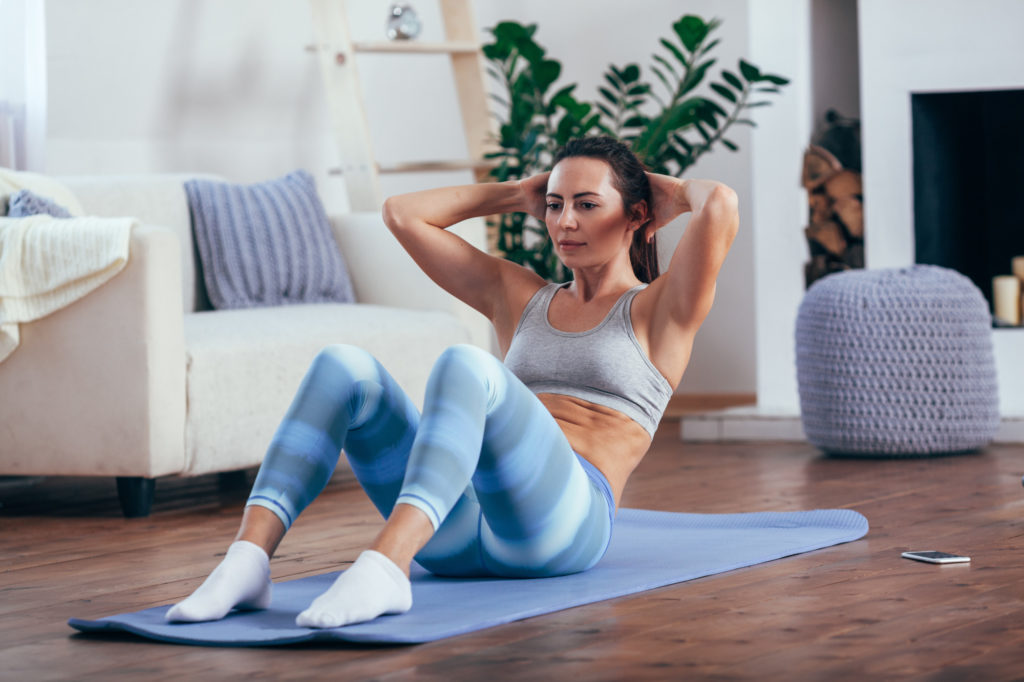
staying in shape

Are you missing the gym while under quarantine?

It can be hard to maintain your typical schedule while staying at home but you shouldn't have to sacrifice your health and fitness in the process. There are tons of ways to keep yourself healthy and fit during quarantine, and we're here to show you how with some helpful tips.

Keep reading for our guide on staying in shape from home.

1. Just Keep Moving

For those working from home during quarantine, it can be difficult to remember to keep yourself moving throughout the day. Purposefully moving every day, even if it's for five minutes, can help both your body and mind. Opting for shorter, more frequent workouts can help balance out the intensity you may be used to from your regular gym sessions.

Incorporating regular movement can also do wonders for your mental health. A quick workout can help to give you a break throughout the day, whether it's from work, the stressors of the outside world, or loneliness. Doing something active every day, even if it's just stretching for a few moments, can help to give your mind the rest it may be needing.

Taking a midday break by trying out some mobility exercises can help elevate any soreness you may be having from sitting at your desk all day.

2. Be Open-Minded With Your Workouts

You may not have the equipment you're used to having at the gym available to you at home. Because of this, it's a good idea to stay open-minded when it comes to your workouts. Being open to a variety of workouts may help you to discover new workouts that you can do from home that you enjoy.

Consider at-home workouts like dancing for cardio, yoga for flexibility, or pilates for strength building. This is a great way to explore new exercises you've been interested in, but were too nervous to try in person.

3. Refuel With Rest

Listening to your body during this time is a great way to know when it's time for a great workout, and when it's time for rest. On days where working out may make you feel worse instead of better, take the day off without guilting yourself.

If you're exhausted or stressed, take the rest time you need or do something less strenuous instead. For example, you could use this day to stretch, meditate, or take the dog on a walk. If you're feeling stressed during this time of uncertainty, start slow and do workouts that may help you to clear your mind, such as yoga.

4. Get Creative With Fitness

For those who are missing their gym equipment, you may want to consider getting creative with the furniture around your home and using some pieces as workout tools. You don't really need anything other than your body weight to exercise, but if you want to add variety, there are some different techniques you can try out.

Something as simple as a chair can act as a workout tool. You can use a chair to support your squats. Do so by standing over it and lowering until your rear almost touches the seat. You can also use a chair for your upper body routine.

Try doing tricep dips with your chair by placing your hands on the chair behind you. Walk your feet out in front and bend your elbows to lower your body up and down without touching your rear to the floor. The farther you walk your feet out, the more challenging and beneficial this workout will become.

5. Body Weight Exercises You Only Need Yourself For

There are tons of workouts you can do at home with zero equipment or furniture. For example, a set of burpees can improve your core and leg muscles while acting as cardio. This is a great way to incorporate a move into your workout that benefits the whole body.

There are other workouts you can try out to work certain parts of the body. Air squats, for example, can be done anywhere and work to strengthen the upper leg muscles and glutes. Mountain climbers, push-ups, and lunges are also basic moves that you can combine into a workout.

Add a jump to movements like squats or lunges to up your heart rate if you're missing your cardio sessions.

6. Get Outside

Getting outside can help to act as a refresher, letting you get some Vitamin D and a break from your house. Taking your workouts outdoors a few days a week by doing the above exercises in your front or backyard can be a great break in routine. When exercising outdoors, make sure you are sticking to the CDC guidelines and maintaining social distancing.

Activities like jogging and cycling can help you change your scenery while providing a great workout. Set personal distance goals to keep yourself motivated during these outdoor activities. Sub out taking public transportation or driving to do errands and get there by running, biking, or walking instead.

Tips for Staying in Shape During Quarantine

While the pandemic can be stressful and scary, it's important to keep ourselves moving and motivated for a healthy lifestyle. If you're concerned with staying in shape during the quarantine, try out some of these tips and tricks that can help with your mental and physical health.

Are you looking for an easier way to get your prescription during this time? Order your medications online with us today so that you can stay up to date with your medication while staying safe.

Being Mindful of Your Mental and Emotional Health During COVID-19: 11 Essential Tips

Author , posted on April 10, 2020

Category: Healthy Living


Knowledge isn’t always power. Information about the growing COVID-19 pandemic is causing rising anxiety in people around the world.

As the virus spreads through major cities, self-quarantine presents new mental and emotional health challenges. Here are 11 essential tips for managing your anxiety and working on your mental and emotional health through this difficult time.


Read More